The 2026 Hardship Grants Guide Most People Never Open
A Guide to the Hardship Grants Many People Never Apply For: 2026
There's a strange gap in America's safety net. Billions of dollars in hardship assistance go unclaimed every single year, not because people don't need it, but because they never realized it existed. Somewhere between a confusing government website and a rumor that "you probably don't qualify," millions of eligible people simply give up before they start. This guide breaks down what's actually available in 2026, who qualifies, and why so many people are leaving this money on the table.
The Assistance Gap No One Talks About
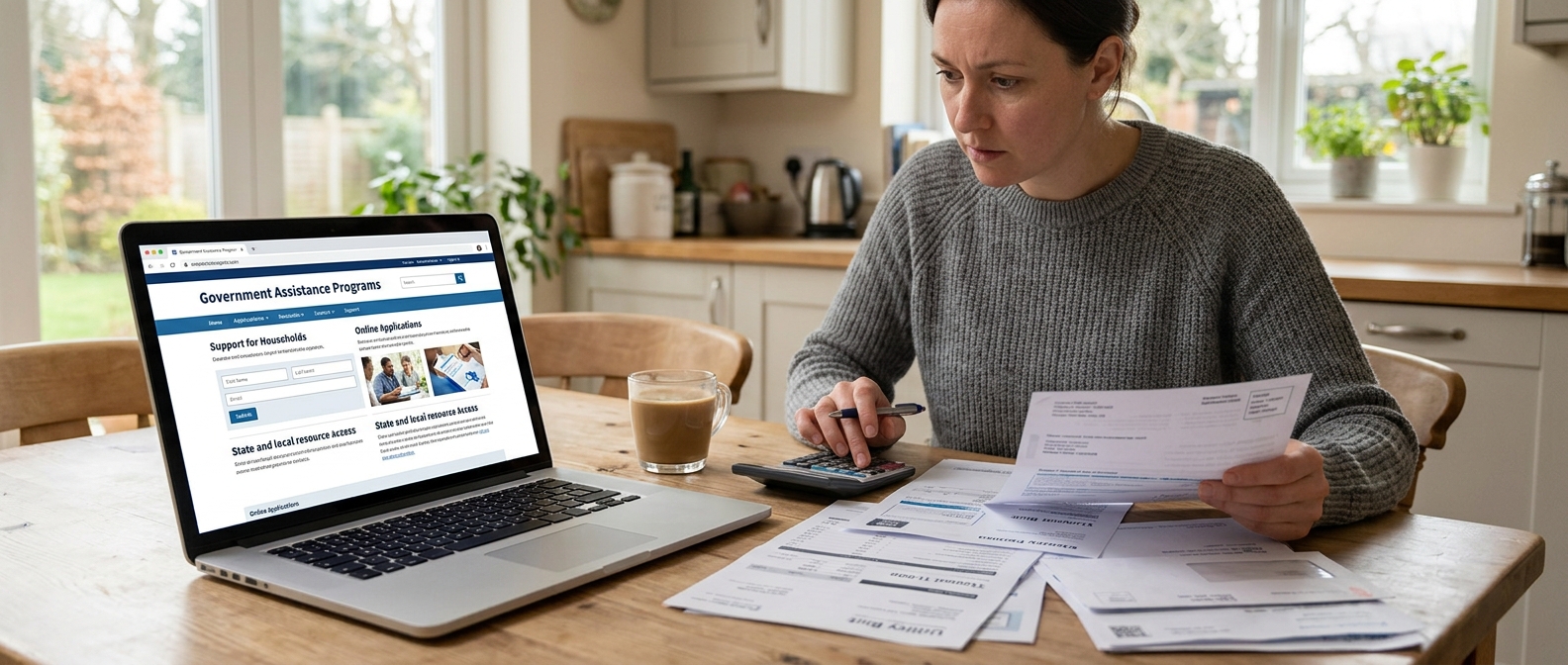
Here's the uncomfortable truth: hardship assistance isn't hard to find because it's rare. It's hard to find because it's scattered. Federal agencies, state offices, and private non-profits each run their own programs, using their own paperwork, their own deadlines, and their own definitions of "hardship."
A single mother facing an eviction notice might qualify for three different programs without knowing any of them exist. A senior struggling with a heating bill could be eligible for both a federal energy program and a local non-profit grant, but never gets past the first confusing phone call.
Why "I Probably Won't Qualify" Is the Wrong Assumption
Many people assume hardship grants are reserved for extreme, rare circumstances. In reality, eligibility is often broader than expected. Common qualifying situations include:
- A recent job loss or reduced work hours
- An unexpected medical bill or emergency room visit
- A past-due rent or utility notice
- Already receiving benefits like SNAP, Medicaid, or SSI
- Belonging to a specific group, such as veterans, seniors, or single parents
If you already receive certain government benefits, you may automatically meet the income threshold for additional hardship programs, without filling out a second income verification form.
It's Not Always Called a "Grant"
Part of the confusion comes from language. The federal government rarely uses the word "grant" when talking about help for individuals. Instead, it uses terms like "assistance," "benefit," or "program."
So when people search specifically for "grants," they miss real, active programs sitting under a different name. This is one of the biggest reasons eligible households never apply: they're searching for the wrong word.
The Categories Worth Knowing
Hardship support in 2026 generally falls into a handful of practical categories, each covering essential costs rather than discretionary spending:
- Housing: Emergency rental help and urgent home repair funds
- Utilities: Assistance with heating, cooling, water, and internet bills
- Food: Grocery allowances and emergency food bank access
- Medical: Help with prescriptions, medical debt, and insurance premiums
- Emergency cash: Short-term funds sent directly to a creditor for things like car repairs or a shut-off notice
Why So Many Applications Stall Out
It's rarely a lack of programs. It's the process. People start an application, hit a request for a document they don't have handy, and never come back to finish it. Others call one office, get told "that's not us," and assume the search is over.
The programs that actually pay out tend to reward persistence more than perfection. A partial application, followed up with a phone call, often moves further than a "perfect" one left untouched for weeks.
Real Situations, Real Outcomes
Consider a household with a shut-off notice on its electric bill. Instead of one call, they check three things: their state energy assistance office, their local community action agency, and a national non-profit accepting emergency requests. It's rarely just one call that solves it. It's usually a combination of smaller, overlapping programs stacked together.
The Search Intent Pivot
General knowledge about hardship categories only goes so far. The real answer to "what am I eligible for" depends entirely on your state, your household size, and your specific type of hardship. Programs vary dramatically by location. A rental assistance fund in one state might have a completely different income cutoff than the one next door, and application windows can open and close within weeks.
This is exactly why generic advice isn't enough. The next step is to look into the specific hardship grants and assistance programs available in your state for 2026, matched to your particular situation, whether that's housing, medical debt, utilities, or a sudden emergency expense.
A Word of Caution
As interest in these programs grows, so do scams. A few rules to remember:
- No legitimate program will ask for an upfront "processing fee"
- Government agencies won't reach out over text or social media offering free grant money
- Always verify a program through an official government or established non-profit source before sharing personal details
Where This Leaves You
The gap between "needing help" and "getting help" usually isn't about eligibility. It's about information. The programs exist. The money is allocated. What's missing, for millions of people, is simply knowing where to look and which specific options apply to their state and situation.
If any of this sounds familiar, it may be worth spending a few minutes exploring the hardship grants and assistance programs currently available where you live. The details, deadlines, and eligibility rules are specific enough that a closer, more personalized look is the only way to know exactly what you might qualify for in 2026.