
Abandoned Houses for Sale: What to Know Before Buying
Abandoned Houses for Sale: What to Know Before Buying
That boarded-up house on the corner - the one with the overgrown yard and peeling paint - might just be your best real estate opportunity of the decade. Abandoned properties can sell for a fraction of their market value, making them incredibly attractive to first-time buyers, seasoned investors, and house flippers alike. But before you get swept up in the potential, there's a lot you need to know. Buying an abandoned home is nothing like a traditional real estate purchase - and walking in unprepared can turn a dream deal into a financial nightmare.
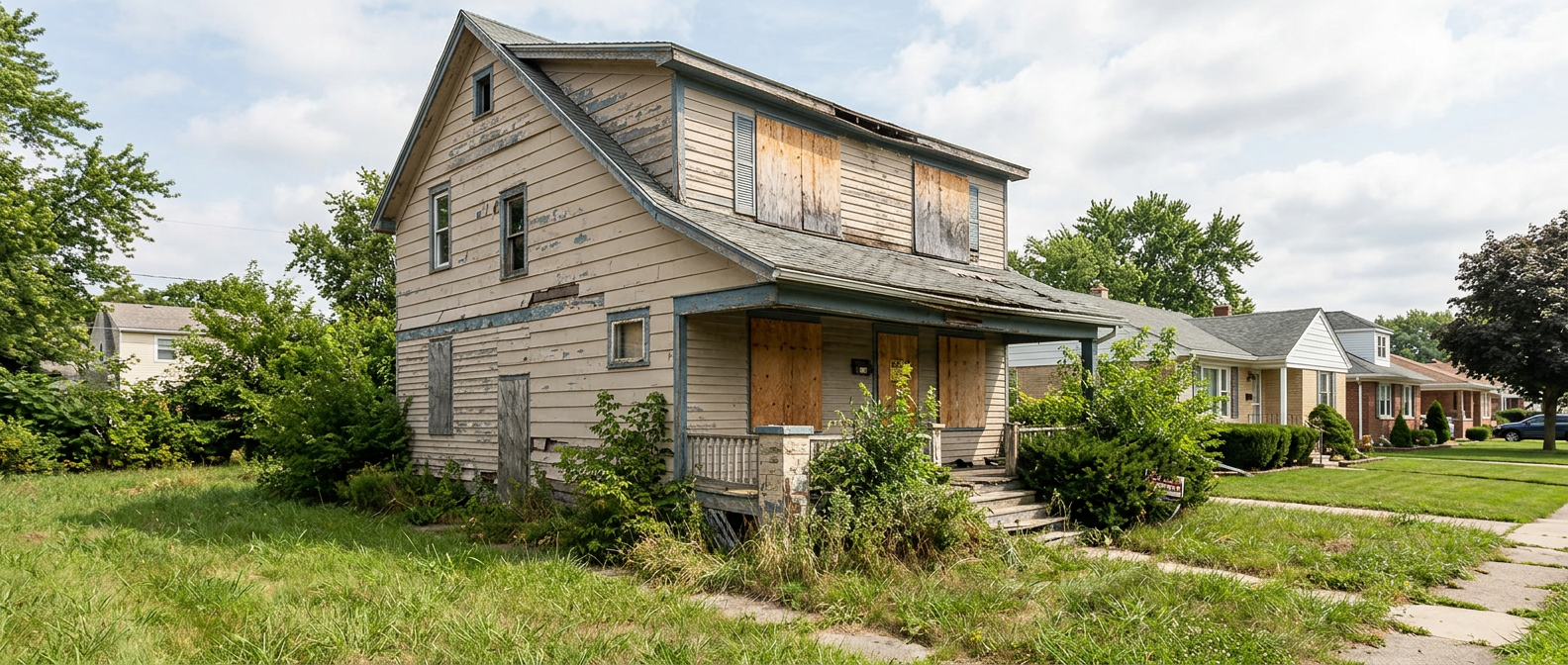
Why Abandoned Houses Are Turning Heads in 2026
The real estate market in 2026 is seeing a notable rise in distressed and abandoned properties. Foreclosure rates have climbed following the end of pandemic-era forbearance programs, and so-called "zombie properties" - homes abandoned by owners but not yet fully reclaimed by lenders - are appearing in neighborhoods across the country.
For buyers willing to put in the work, this spells opportunity. Abandoned homes often sell at 20% to 50% below market value. That discount can mean serious equity gains - if you know exactly what you're getting into.
The Hidden Risks Most Buyers Don't See Coming
The low price tag is tempting, but abandoned properties carry a unique set of risks that can catch buyers off guard:
- Inherited debt and liens: When you buy an abandoned house, you may also be buying its financial baggage - unpaid property taxes, HOA fees, or contractor liens. Always insist on a comprehensive title search before closing.
- Structural damage: Years of neglect can mean cracked foundations, collapsed roofing, black mold, or extensive water damage. What looks cosmetic from the outside can be catastrophic on the inside.
- Theft and vandalism: Copper wiring, plumbing fixtures, and appliances are frequent targets in vacant homes, adding thousands to your repair bill.
- Squatter situations: Depending on your state's laws, removing unauthorized occupants can be a slow and costly legal process.
Traditional Financing Usually Won't Work
Here's something many first-time buyers don't realize until it's too late: conventional mortgage lenders typically won't finance an uninhabitable home. If you're bidding at auction, you'll almost certainly need to pay in cash.
Your financing options for abandoned properties usually include:
- Hard money loans - short-term loans from private lenders, often with higher interest rates
- FHA 203(k) renovation loans - government-backed loans that bundle purchase and rehab costs
- Private cash or investment partners - bringing in partners who can fund the deal upfront
Understanding your financing path before you make an offer is absolutely essential.
How to Find Abandoned Houses for Sale
Many abandoned properties never appear on Zillow or Redfin. You have to dig deeper. Here are the most effective methods:
- Driving for dollars: Scout neighborhoods for signs of neglect - boarded windows, tall grass, uncollected mail.
- County tax records: Properties with years of unpaid taxes are often abandoned. Public records at your local tax assessor's office can be a goldmine.
- Tax lien auctions: County sheriff's sales and tax auctions are where many abandoned homes are sold well below value.
- REO bank listings: Local banks and credit unions often have repossessed properties they're eager to move.
- Direct owner outreach: Look up the property owner through tax records and send a direct letter expressing your interest. You might strike a deal before it ever hits the market.
What to Do Before You Make an Offer
Once you've found a promising property, slow down before signing anything. These steps can save you from a costly mistake:
- Run a title search. This is non-negotiable. Uncover every lien and debt attached to the property.
- Get a professional inspection. If access is permitted, bring a licensed inspector and a contractor. If it's an auction with no interior access, assess the exterior, roof, and foundation for worst-case estimates.
- Calculate your total costs. Add purchase price + renovation estimates + carrying costs + closing costs. Only proceed if there's a meaningful margin.
- Build a specialist team. You need a real estate agent experienced in distressed properties, a real estate attorney for title and legal issues, and a reliable general contractor for accurate rehab estimates.
Don't Forget the Renovation Reality
Renovation costs on abandoned homes can vary wildly. Light cosmetic work might run $30,000-$50,000, but structural repairs, mold remediation, and full systems replacements can push well past $150,000-$200,000. Getting at least two or three contractor quotes before committing to a purchase is a smart move that every experienced buyer swears by.
Factor in permit costs, holding costs during renovation, and potential code compliance upgrades. Older abandoned homes may need to be brought up to current building codes - an expense that often surprises new buyers.
Is Buying an Abandoned House Worth It?
For the right buyer with the right team and the right property - absolutely. Abandoned homes can offer extraordinary value, significant equity upside, and the satisfaction of transforming a neglected property into something beautiful. But the keyword is prepared. The buyers who win with abandoned properties are the ones who do their homework, crunch the real numbers, and never skip due diligence.
The Best Next Step: Search for Deals in Your Area
The truth is, the best abandoned house deals are highly location-specific. What's available in rural Ohio is very different from what you'll find in suburban Texas or urban Florida. Pricing, competition, lien laws, and renovation costs all vary dramatically by region. That's why the smartest move after getting educated on the process is to start searching for what's actually available - and what the real numbers look like - in your specific market.
Whether you're looking for a fixer-upper to flip, a bargain starter home, or a long-term investment property, exploring your local options is the natural next step. The opportunities are out there - you just need to know where to look and what questions to ask when you find them.