
AI Video Tools in 2026: Smarter, Faster, Data-Driven Production
You have seen it in your feed already. A short film, an ad, or a product demo that looks like it took a full crew and a week to make. Except it didn't. It was made with AI, in a fraction of the time, by one person sitting at a laptop. This is not a gimmick anymore. It is how a growing share of video content gets made in 2026, and the gap between studios that use these tools and those that don't is widening fast.
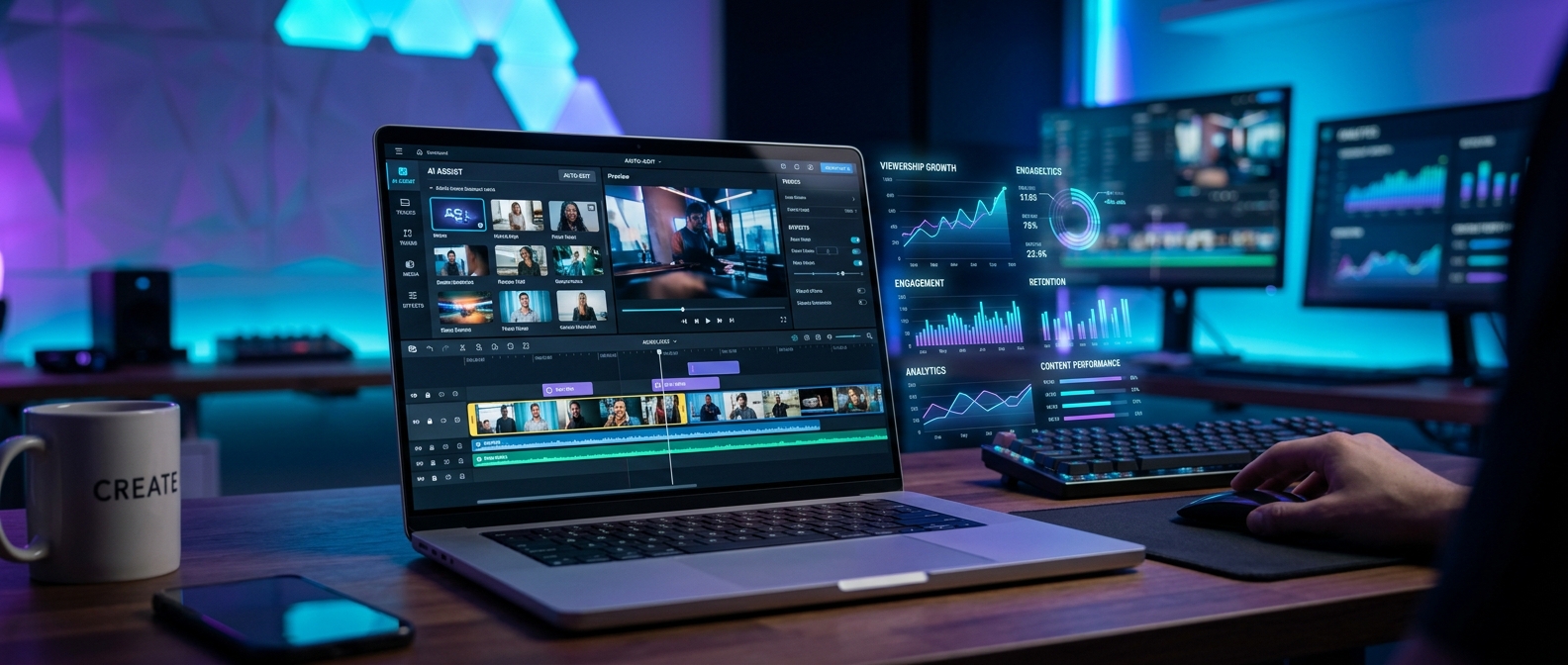
The Old Way Is Breaking Down
Traditional video production has always been slow, expensive, and hard to scale. A single polished clip could take hours of filming, editing, and revisions. Small businesses and independent creators were often priced out entirely, left to compete against brands with full production budgets.
That imbalance is exactly what pushed so many people toward AI video tools in the first place. The promise was simple: cut the time, cut the cost, keep the quality. For a while, the results were mixed. Early AI clips looked stiff, silent, and inconsistent from one shot to the next.
Why This Year Feels Different
The complaints that used to follow AI video, choppy motion, no sound, characters who changed faces between scenes, have largely been addressed. Newer tools generate synced audio and dialogue in the same pass as the visuals. Characters now stay consistent across multiple shots, which makes multi-scene stories actually usable for real projects instead of one-off clips.
This shift matters because it changes what AI video is used for. It is no longer just a novelty for short social clips. Teams are now producing training videos, ads, and narrative content that can stand next to traditionally filmed work.
Speed Is the Real Unlock
The biggest change is not just quality, it's how fast things move now. Projects that once took days of scripting, filming, and editing can be finished in under an hour. A training video that used to require a camera crew and hours of setup can now be generated, adjusted, and finalized well before lunch.
For small teams and solo creators, this speed is the difference between publishing consistently and falling behind. It's also why more people are searching for the right platform rather than trying to piece together outdated tutorials from a year or two ago.
Data Is Doing More Than Reporting Results
Here's the part most people miss. Data used to only matter after a video went live, showing you what worked and what didn't. Now it shapes the video before it's even finished.
- Systems can analyze a request and automatically choose the best approach for that specific type of content
- Marketing teams generate multiple versions of the same video, adjusted for different audiences, without starting from scratch each time
- Testing data is used in real time to guide visual style choices, rather than guessing what might perform well
This is the part that separates casual experimentation from a real production strategy. Knowing which approach fits your specific goals, budget, and audience is no longer optional. It's the deciding factor between content that gets ignored and content that performs.
What This Means If You're Getting Started
If you're new to this, the sheer number of options can feel overwhelming. Not every platform is built the same way, and not every tool fits every type of project. Some are better suited for fast, casual content. Others are built for polished, brand-level output. Picking the wrong one can waste time and money, especially if you don't know what to look for.
This is where things get personal. The right setup for a solo creator making short clips looks nothing like the right setup for a small business producing training content or ads. Budget, intended use, and output quality all shift what actually makes sense.
The Search Intent Pivot
While the broad trends are useful to know, the real answer depends on your specific situation. Your budget, your industry, and the type of content you need all change which AI video approach actually makes sense for you. Rather than guessing based on general information, it helps to look into current options tailored to your specific needs, whether that means comparing tools by price, by output quality, or by what they're actually built to do.
Where to Go From Here
AI video production has moved past the experimental stage. It's now a practical option worth understanding properly before you commit time or money to it. The tools, the costs, and the right fit all vary depending on what you're trying to create. Looking into the specifics before choosing a path can save both time and frustration down the line.