
Auto Parts Websites: The Smarter Way To Fix Your Car
Your check engine light flickers on. Or maybe it's a cracked side mirror, a worn brake pad, or a transmission that just won't shift right. Whatever the issue, one thought hits every car owner instantly: where do I even find the part I need, and how much is this going to cost me?
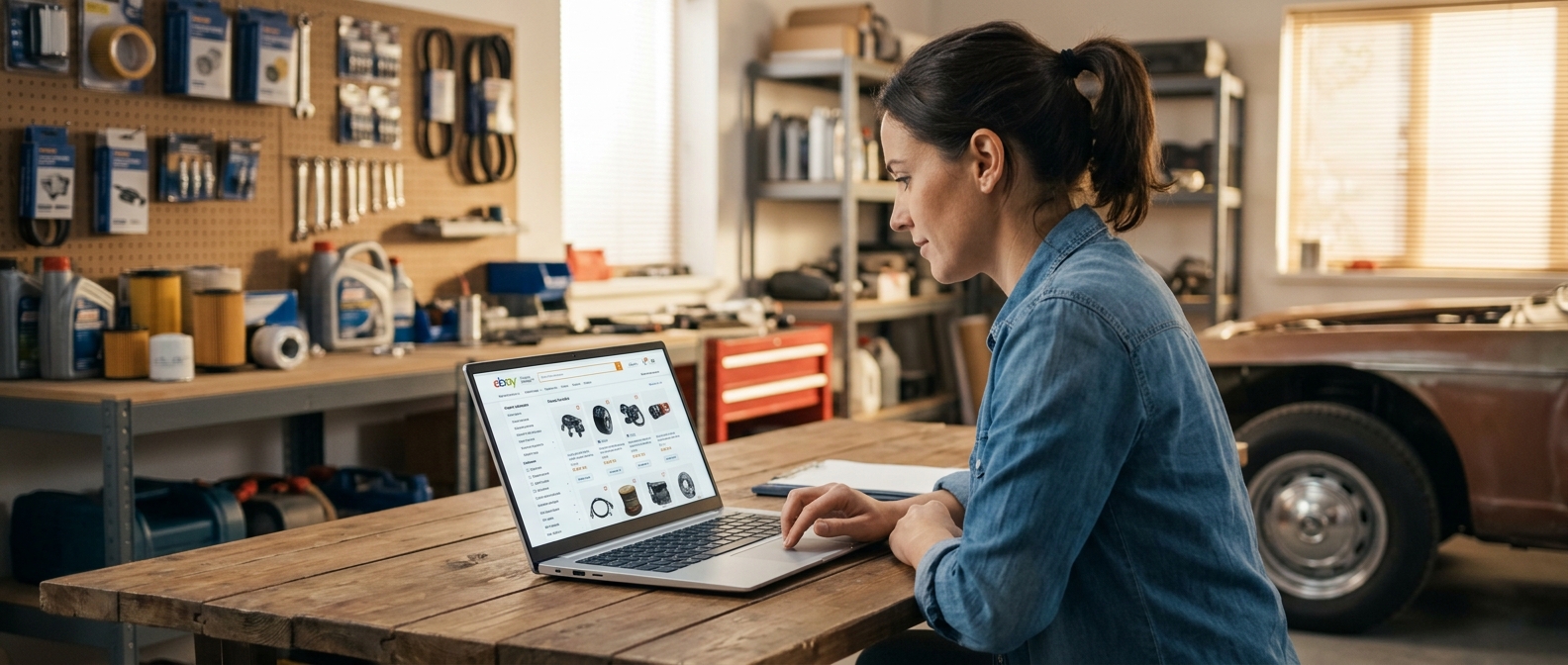
For decades, the answer meant driving from one dusty auto parts store to the next, hoping someone had the exact component in stock. Today, that entire process has moved online, and auto parts trading websites have quietly become one of the most useful tools for anyone who owns a vehicle.
Why The Old Way Of Buying Parts Stopped Working
Local parts stores have limited shelf space. They stock what's common and skip what's rare. If you drive an older model, an imported vehicle, or something with a discontinued trim, you already know the frustration.
Phone calls to five different shops. Waiting days for a special order. Paying inflated prices just because you had no other option. It's a system built around scarcity, not convenience.
Auto parts trading platforms flip that model. Instead of relying on one store's inventory, you're tapping into a marketplace where multiple sellers, salvage yards, and manufacturers list what they have. Suddenly, scarcity isn't your problem anymore.
How These Platforms Actually Work
Most auto parts trading websites function like a hybrid between a search engine and a marketplace. You enter your vehicle's make, model, year, and sometimes VIN number. The platform then filters results to match parts that are guaranteed to fit.
Behind the scenes, these sites often pull inventory from:
- Certified auto parts retailers
- Independent salvage and recycling yards
- Original equipment manufacturers (OEM)
- Aftermarket part producers
This structure means you can compare new, used, and refurbished options side by side. For budget-conscious drivers, that comparison alone can mean saving a significant amount on a single repair.
New, Used, Or Refurbished: What's The Real Difference?
Not all parts are created equal, and trading platforms usually let you filter by condition. Understanding the categories helps you make a smarter choice:
- New OEM parts are made by the original manufacturer and typically carry warranties, but they cost more.
- Aftermarket parts are produced by third parties and tend to be cheaper, with quality varying by brand.
- Used or salvage parts come from decommissioned vehicles and are often the most budget-friendly, especially for older cars.
- Refurbished parts have been restored to working condition and sit somewhere in the middle on both price and reliability.
Knowing which category fits your repair, and your budget, changes everything about how you shop.
Why Location Still Matters, Even Online
Here's something many first-time users don't expect: even digital marketplaces are shaped by geography. Shipping costs, part availability, and even pricing can shift depending on where you're located and where the seller is based. A part that's cheap and easy to find in one region might be scarce or expensive in another. Local salvage yards near you may have exactly what you need without the wait time of cross-country shipping.
This is exactly where things get personal. The best auto parts trading site for someone in a major city with dozens of salvage yards nearby may not be the best option for someone in a rural area. Your specific vehicle, your region, and your budget all shape which platform actually delivers the best deal.
Red Flags To Watch For
Not every listing is trustworthy. Before buying, experienced shoppers recommend checking a few things:
- Does the seller have verified reviews or ratings?
- Is there a clear return or warranty policy?
- Are part numbers listed clearly to confirm compatibility?
- Does the platform offer buyer protection or secure payment options?
Skipping these checks is how people end up with the wrong part, or worse, no part at all after paying.
What Regular Buyers Say Changed For Them
Mechanics and hobbyist car owners who've switched to trading platforms often mention the same benefits: faster sourcing, more price transparency, and access to parts they simply couldn't find locally. For people restoring older vehicles or maintaining imported cars, these platforms have turned an occasional nightmare into a manageable task.
The Next Step: Finding What Fits Your Situation
Reading about how these platforms work is useful, but every car problem is different. The right auto parts website for a decade-old sedan won't necessarily be the right one for a work truck or an imported hatchback. Your best move now is to look into options that match your specific vehicle type, your location, and the part you actually need. Comparing a few platforms side by side, based on your situation, is where the real savings and convenience show up.
Wrapping It Up
Auto parts trading websites have changed how people repair and maintain their vehicles, replacing guesswork and limited inventory with comparison and choice. Whether you're fixing a minor issue or restoring a project car, understanding how these platforms work puts you in a stronger position. From here, exploring the specific options available for your vehicle and region is the natural next step toward finding the right part at the right price.