
The Backyard Apartment Guide Every Homeowner Needs
You've heard the neighbors talking about it. You've seen the finished photos online. And now you're standing in your own backyard wondering: could I actually build something back here? The answer, for millions of American homeowners in 2026, is a resounding yes. Backyard apartments - formally known as Accessory Dwelling Units, or ADUs - have gone from niche real estate tricks to one of the smartest financial moves a property owner can make. But before you break ground, there's a lot to understand.
What Exactly Is a Backyard Apartment?
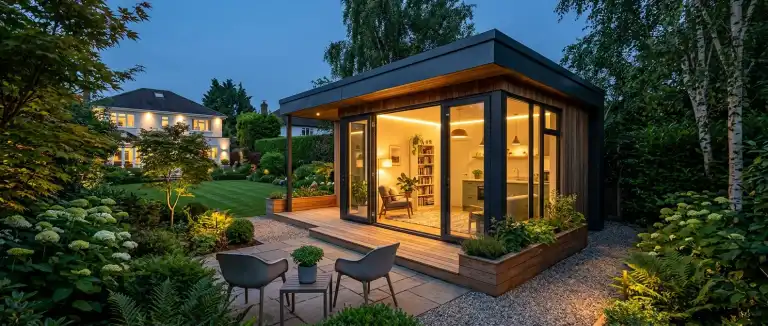
A backyard apartment is a self-contained living unit built on the same lot as your primary home. It has its own entrance, kitchen, bathroom, and sleeping area - but shares the land with the main house.
These units go by many names:
- ADU (Accessory Dwelling Unit)
- Granny flat
- Casita
- In-law suite
- Backyard cottage
Whatever you call it, the concept is the same: a fully functional, independent living space tucked behind - or beside - your existing home.
 Why Backyard Apartments Are Booming Right Now
The timing couldn't be better for homeowners considering this move. Several forces are converging to make ADUs more attractive - and more feasible - than ever before.
Housing costs are sky-high. With the cost of buying a starter home out of reach for many families, demand for rental units has surged. A well-located backyard apartment can command $1,500 to $2,500+ per month in rent, often enough to offset a significant portion of your mortgage.
Zoning laws are loosening up. States across the country have aggressively relaxed restrictions on ADU construction. California, Florida, Massachusetts, and others have passed legislation making it faster and cheaper to get permits approved - and in many cases, removing roadblocks that previously made building an ADU nearly impossible.
Multi-generational living is on the rise. With aging parents needing support and adult children struggling to afford their own places, a backyard apartment offers the perfect balance of closeness and independence for the whole family.
The Main Types of Backyard Apartments
Not all ADUs look the same. The right type for you depends on your budget, your lot, and your goals.
- Detached New Construction: A fully standalone structure built from the ground up. Most private, highest rental appeal - but also the most expensive, typically $200,000 to $400,000+.
- Garage Conversion: Turning an existing garage into a living unit. Cost-effective since the bones are already there - usually $100,000 to $175,000.
- Attached Addition: A new wing added to your home, sharing a wall. Ranges from $175,000 to $300,000.
- Junior ADU (JADU): A converted space within the existing home itself - like a master suite or large bedroom - typically the cheapest option at $50,000 to $100,000.
- Prefab or Modular Unit: Factory-built structures delivered to your lot. Faster to install and often more affordable, starting around $45,000 to $150,000.
What Does It Actually Cost? (The Full Picture)
Construction costs are just the beginning. Many homeowners are surprised by the "soft costs" that add up quickly. Here's what to budget for beyond the build itself:
- Design & Engineering: $5,000-$15,000 for architectural plans and structural reports
- Permitting Fees: $2,000-$10,000+ depending on your city and state
- Site Prep & Foundation: $13,000-$43,000 for excavation, grading, and utility connections
- Utility Hookups: Water, sewer, and electrical connections can add thousands more
One important tip: in California, ADUs under 750 sq. ft. are exempt from local impact and school fees - a savings of $10,000 to $25,000 right off the bat.
The Real Benefits - Beyond the Rental Income
The financial case for a backyard apartment is hard to argue with, but the benefits go further than just monthly rent checks.
Property value boost. A well-built ADU can increase your home's overall market value by up to 35%. Unlike a pool or a kitchen remodel, an ADU adds actual livable square footage - something buyers and appraisers take very seriously.
Flexibility over time. Today it might be a rental. Tomorrow it could house an aging parent. A few years from now, it could become a home office, a creative studio, or a long-term Airbnb. ADUs are one of the few home investments that can evolve with your life.
Contributing to your community. Building a backyard apartment adds housing supply to your neighborhood without changing its character. It's a quiet, practical solution to a very real housing shortage.
Common Mistakes First-Time ADU Builders Make
Learning from others' missteps can save you tens of thousands of dollars and months of frustration.
- Skipping the zoning research - Always confirm your lot is eligible before hiring a designer.
- Underestimating the timeline - From permit approval to move-in, most ADU projects take 12-18 months.
- Choosing price over quality - A cheap build often leads to expensive repairs and difficult tenants down the road.
- Ignoring financing options - Many homeowners overlook HELOCs, Home Equity Loans, and specialized ADU construction loans that can make the project far more accessible.
Is a Backyard Apartment Right for You?
The best candidates for an ADU project are homeowners who have adequate lot space, some equity to leverage, and a long-term vision - whether that's passive income, family housing, or increased property value. It's not a quick flip; it's a strategic, lasting improvement to your property and your financial picture.
While this guide covers the essentials, the specifics of what's allowed, what it will cost, and which type of ADU makes the most sense depends heavily on your location, your lot, and your local regulations. The rules in Los Angeles are very different from those in Austin or Miami - and the numbers can vary dramatically from one zip code to the next.
Take the Next Step
Building a backyard apartment is one of the most rewarding investments a homeowner can make - but the details matter. Costs, permits, zoning laws, and financing options all vary by location, and getting the right information for your specific situation is key. Whether you're just exploring the idea or ready to start planning, researching your local options is the smartest first move you can make.