
Bank-Owned Cars: The Insider's Guide to Huge Savings
Bank-Owned Cars: The Insider's Guide to Huge Savings
Scrolling through car listings and feeling like every price tag is out of reach? You're not alone. But there's a corner of the auto market that most buyers never think to check: bank-owned vehicles. These are cars that lenders have taken back and now need to sell, often for a fraction of typical retail prices. If you know where to look and how the process works, you could walk away with a reliable vehicle while spending far less than you expected.
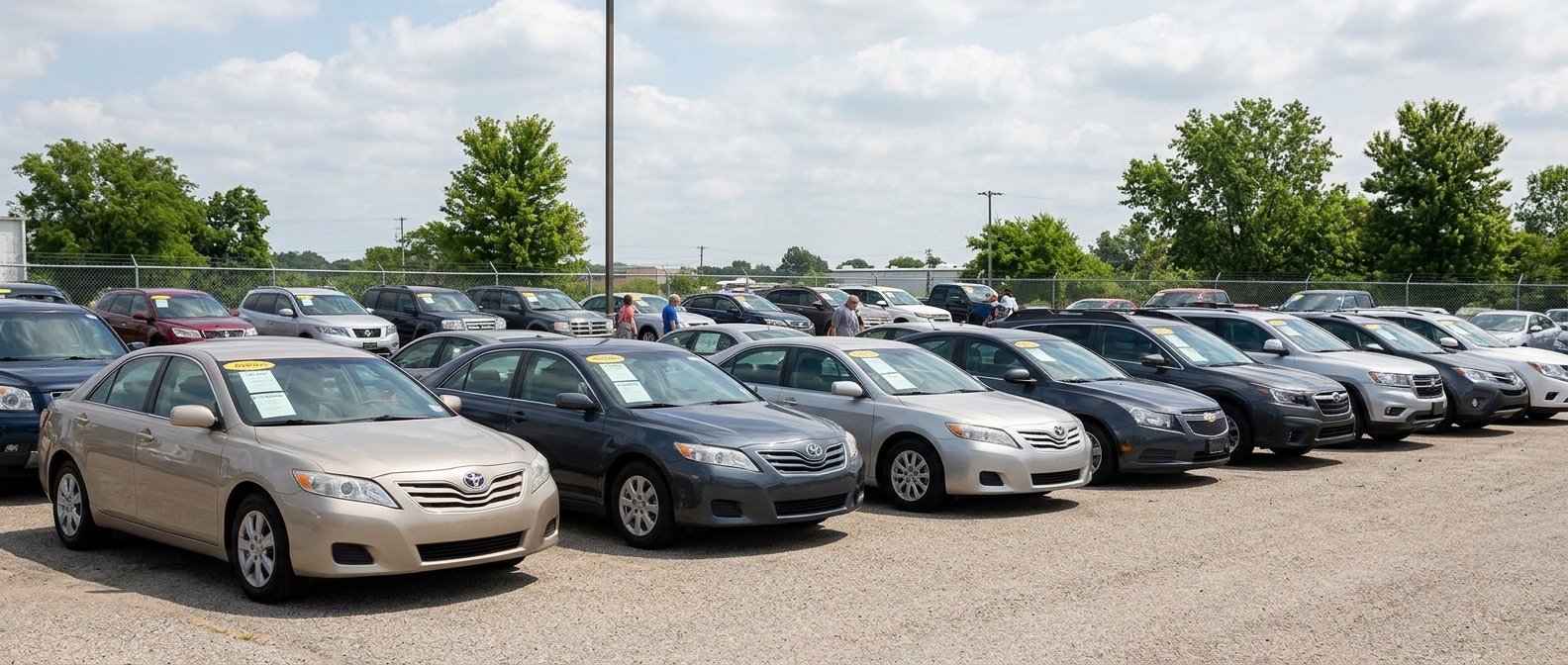
Why So Many Cars Are Suddenly Bank-Owned
The used car market has shifted. High interest rates and rising monthly payments have made it harder for many drivers to keep up with their auto loans. When payments stop, lenders repossess the vehicle and are left needing to resell it quickly. This has created a growing supply of bank-owned inventory hitting auction lots and resale channels.
For buyers, this shift means more choice and more negotiating power than in a typical used car lot. Banks aren't in the business of holding onto vehicles. They want them sold, which can translate into pricing that's noticeably below standard market value.
Why Traditional Car Shopping Often Falls Short
Most buyers start their search at a dealership or a general listing site. The problem? These channels are built around maximizing profit margins, not passing along savings. You're competing with markup, dealer fees, and inflated sticker prices.
Bank-owned vehicles skip much of that markup because the seller's priority is recovering losses, not turning a large profit. That's a fundamentally different incentive, and it can work in your favor if you approach it the right way.
How the Process Actually Works
Buying a bank-owned car isn't identical to buying from a regular dealer. Here's a simplified breakdown:
- Locate listings: Some lenders and credit unions post repossessed inventory directly. Others liquidate through auction platforms.
- Check licensing rules: Certain auctions require a dealer's license, though broker services can help everyday buyers bid without one.
- Inspect thoroughly: These vehicles are typically sold "as-is," so a VIN check and physical inspection are essential steps.
- Budget for extra costs: Buyer fees, transport, and possible broker charges all add to the final price.
- Arrange payment in advance: Financing usually isn't available at the time of sale, so many buyers secure funds beforehand.
What to Watch Out For
Because these vehicles were often driven by owners facing financial strain, maintenance may have been skipped or deferred. That doesn't mean every bank-owned car is a bad buy, but due diligence matters more than usual.
Smart buyers treat every listing with a bit of healthy skepticism. A clean-looking listing can still hide mechanical issues, so verifying vehicle history and condition before committing your money isn't optional. It's the difference between a great deal and a costly mistake.
Tips to Improve Your Odds
- Set a firm maximum bid before you start and stick to it.
- Request maintenance records if any are available.
- Factor in transport costs since these cars usually can't be driven off the lot immediately.
- Compare multiple listings rather than jumping at the first one you find.
These small habits can prevent buyer's remorse and help you actually capture the savings you're hoping for.
Why Location and Timing Matter More Than You Think
Not all bank-owned inventory is created equal. Availability, pricing, and even the types of vehicles being repossessed can vary significantly depending on where you live and which lenders are active in your area. A city with several regional banks and credit unions liquidating inventory may offer very different opportunities than a smaller market with limited listings.
This is where things get specific. The best deals often depend on local auction schedules, regional lender policies, and even seasonal patterns in repossession volume. Generic national listings only tell part of the story. If you want to know what's actually available near you, right now, at what price, that requires digging into local resources and current listings rather than relying on general advice alone.
Before You Start Searching
Bank-owned vehicles can be a genuine opportunity for buyers willing to do a little homework. The savings can be real, but so can the risks if you skip the research stage. Understanding how the process works is only the first step. The next is finding out what's actually available in your area and what current listings look like today.
If this guide has sparked your curiosity, it may be worth exploring more detailed, up-to-date information on bank-owned vehicle listings and how they apply to your specific situation.