
Bank-Owned Cars: The Secret to Paying Less for Your Next Vehicle
Most people spend weeks at dealerships, negotiating prices, fighting hidden fees, and still walking away feeling like they overpaid. But there's a category of cars that millions of buyers overlook - vehicles owned and sold directly by banks. These are real cars, with clean titles, often priced 20% to 30% below market value. The reason? Banks are not in the car business. They simply want these vehicles off their books - fast.
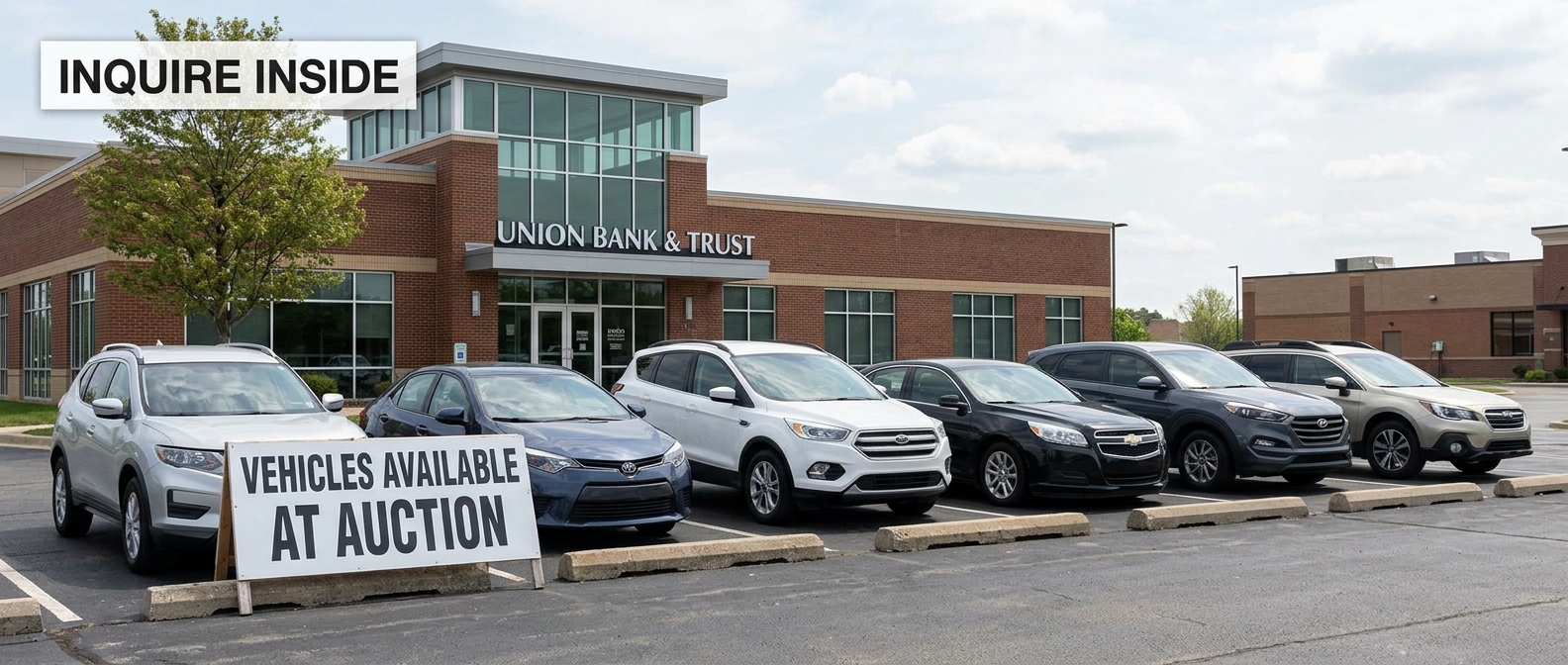
What Exactly Are Bank-Owned Cars?
When a borrower can no longer keep up with their auto loan payments, the bank legally repossesses the vehicle as collateral. The bank is not interested in holding onto it - every day it sits in a lot costs them money. So they price these cars to move quickly. That urgency creates a genuine opportunity for smart buyers who know where to look.
Why Most People Never Find These Deals
Bank-owned cars are rarely advertised on mainstream platforms like CarGurus or AutoTrader. They're listed quietly on bank websites, sold through local credit unions, or offloaded at public auctions. Because the majority of car buyers don't know these channels exist, competition is much lower - and prices stay attractive.
Where to Actually Find Bank-Owned Vehicles
Knowing where to search is half the battle. Here are the most reliable sources:
- Bank & Credit Union Websites: Many institutions have a dedicated "Repossessed Vehicles" or "Cars for Sale" page. Call your local branch and ask for their repo list.
- Public Auto Auctions: Banks send repos to public auction houses regularly. Search for public auto auctions in your area - no dealer license required.
- Online Auction Platforms: Sites like Copart, SCA Auctions, and Auto Auction Mall list bank repo cars with clean titles. You can browse and bid from home.
- Repo Storage Companies: Local towing and recovery companies that store repos sometimes sell directly to the public on behalf of the lender.
The Hidden Advantage: Financing From the Bank Itself
One surprising perk of buying directly from a credit union is that they'll often finance the vehicle for you - sometimes at a lower interest rate than the market average - as an incentive to clear their inventory. This means you could get a below-market car AND a better loan rate in the same transaction.
What You Must Check Before Buying
Bank-owned cars are almost always sold "as-is," meaning no warranty and no returns. This makes pre-purchase due diligence critical. Don't skip these steps:
- Run a VIN Report: Use Carfax or AutoCheck to review the vehicle's accident history, mileage records, and title status.
- Check Market Value: Look up the car on Kelley Blue Book (KBB) or Edmunds before making any offer, so you know exactly what it's worth.
- Get a Mechanic's Inspection: Repossessed vehicles are frequently neglected by their previous owners. A pre-purchase inspection can uncover costly hidden issues.
- Factor in Auction Fees: If buying at auction, buyer's premiums can add 5%-10% to the final price. Always calculate the total cost before bidding.
Real Savings, Real Risks - Know Both
The upside is significant: buyers commonly find vehicles priced 10%-30% below their true market value, often with clean titles and no dealership markup. The downside is equally real - deferred maintenance, missing keys (which can cost hundreds to replace), and zero return policy. Going in informed is the difference between a great deal and a costly mistake.
Best Strategy for First-Time Buyers
If you've never bought a repo car before, start with local credit unions. The pace is slower, the process is more transparent, and staff will guide you through the paperwork. Once you're comfortable, public and online auctions open up a much wider inventory. The key is to set a firm maximum budget before you start - and never go over it, no matter how good the car looks.
Is a Bank-Owned Car Right for You?
If you're flexible on make and model, willing to do a bit of research, and ready to act quickly when a deal appears - bank-owned vehicles can be one of the smartest ways to buy a car in 2026. The inventory changes constantly, deals appear without warning, and the buyers who are prepared are the ones who win.
Finding the Right Deal in Your Area
The availability of bank-owned vehicles varies significantly by location, budget, and vehicle type. What's available in one city may not exist in another. Specific financing terms, auction schedules, and repo inventory change week to week. That's why exploring localized search results is the most effective way to find current, available listings near you - with pricing that matches your market.
Buying a bank-owned car is one of the most underused strategies for saving thousands on a vehicle purchase. With the right information, the right sources, and a bit of patience, the opportunity is very real. Take the time to research what's currently available in your area - you may be surprised at what you find.