
The Best Soaps for Dry Skin That Actually Work
If you've ever stepped out of the shower only to feel your skin tight, itchy, and uncomfortably dry, you're not alone. Millions of people struggle with dry skin, and surprisingly, the culprit is often sitting right in your shower caddy. The wrong soap can strip away your skin's natural oils, leaving you desperate for relief. But here's the good news: switching to the right soap can transform your skin from flaky and irritated to soft and hydrated.
 Why Your Current Soap Might Be Making Things Worse
Most commercial soaps are formulated with harsh detergents and sulfates that create a rich lather-but at a cost. These ingredients are designed to remove dirt and oil efficiently, but they don't discriminate between the grime you want gone and the protective oils your skin needs to stay healthy.
Traditional bar soaps often have a high pH level, which disrupts your skin's natural acid mantle. This protective barrier keeps moisture in and irritants out. When it's compromised, your skin becomes vulnerable to dryness, redness, and even premature aging. For people with naturally dry or sensitive skin, this daily assault can turn a simple shower into a cycle of discomfort.
What Makes a Soap Truly Moisturizing
The best soaps for dry skin work differently. They're formulated to cleanse gently while actually adding moisture back into your skin. Here's what to look for:
- Glycerin: A powerful humectant that draws moisture from the air into your skin
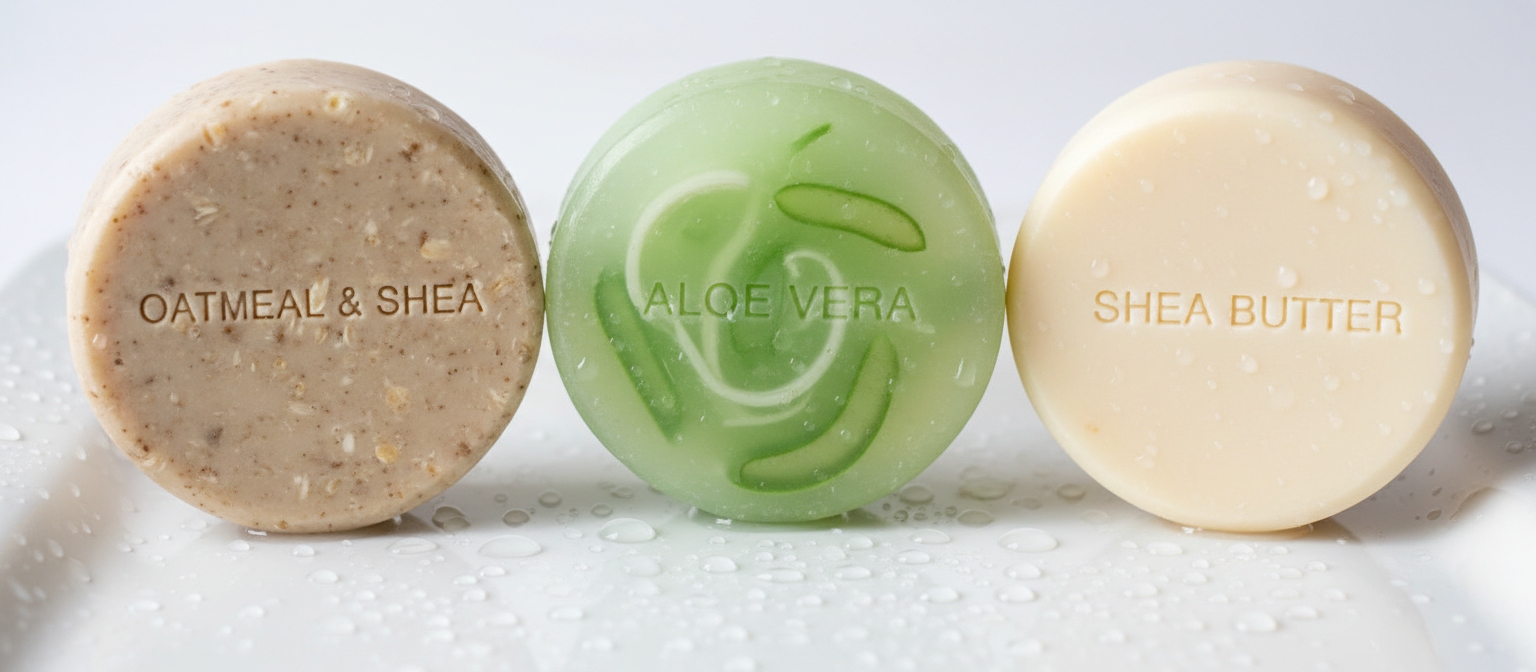
- Natural oils: Ingredients like coconut oil, olive oil, and shea butter provide deep hydration
- Mild surfactants: Gentle cleansing agents that won't strip your skin
- Balanced pH: Soaps close to your skin's natural pH (around 5.5) maintain the protective barrier
- No synthetic fragrances: Artificial scents can trigger dryness and irritation
Top Recommended Solutions for Dry Skin To effectively restore moisture, dermatologists recommend switching to advanced hydrating formulas. Look for Ceramide-infused cleansers which rebuild the skin barrier, or Glycerin-based soaps that lock in hydration for 24 hours. For sensitive areas, Colloidal Oatmeal bars are a top-rated choice for soothing irritation, while Hyaluronic Acid body washes provide a modern, deep-moisturizing effect that traditional soaps simply can't match.
Top-Rated Soap Brands for Dry Skin
When selecting a cleanser that balances effectiveness with hydration, certain industry-leading brands consistently stand out. Dermatologists often recommend Dove Sensitive Skin Bars for their iconic moisturizing cream formula, and CeraVe Hydrating Cleanser for its essential ceramide profile. Other top-tier options include Aveeno Skin Relief with soothing oat complex and Cet Gentle Skin Cleanser, which is widely recognized for its non-irritating, soap-free formula. These brands are gold standards for transforming dry, flaky textures into soft, healthy skin
Types of Soaps That Help Combat Dryness
Not all soaps are created equal when it comes to treating dry skin. Cream-based cleansers and syndet bars (synthetic detergent bars) are often gentler than traditional soaps. Cold-process soaps retain natural glycerin that's typically removed in commercial soap production, making them exceptionally moisturizing.
Oatmeal-based soaps deserve special mention. Colloidal oatmeal has been used for centuries to soothe irritated skin, and modern research confirms its effectiveness. It contains compounds called avenanthramides that have anti-inflammatory properties, making these soaps ideal for dry, itchy skin.
Goat milk soap is another game-changer. The lactic acid in goat milk gently exfoliates dead skin cells while the natural fats provide intense moisture. Many users report noticing softer skin after just a few uses.
Common Mistakes People Make When Choosing Soap
Even when people know they need a gentler soap, they often make purchasing decisions that backfire. One major mistake is assuming that "natural" or "organic" automatically means "good for dry skin." Some natural ingredients can actually be drying-like certain essential oils or clay-based formulations.
Another error is focusing solely on price. While expensive doesn't always mean better, the cheapest options often contain the harshest ingredients. The middle ground usually offers the best value: quality ingredients without luxury markup.
Many people also overlook the importance of reading the full ingredient list. A soap might advertise moisturizing shea butter on the front label, but if it's listed near the end of the ingredients, there's barely any in the formula. The first five ingredients tell the real story.
How Your Environment Affects Soap Performance
Here's something most people don't realize: the best soap for dry skin in one climate might not work as well in another. Hard water, common in many areas, can react with soap to leave a residue that further dries your skin. Humidity levels, seasonal changes, and even indoor heating systems all impact how your skin responds to cleansing products.
This is why personalized recommendations based on where you live can make such a difference. A soap that works beautifully in humid coastal regions might leave you feeling tight and uncomfortable in a dry, cold climate.
The Search Intent Pivot: Finding Your Perfect Match
While these insights provide a solid foundation, the truth is that the absolute best soap for your dry skin depends on several personal factors: your specific location, local water quality, climate conditions, budget, and even any particular skin sensitivities you might have.
The most effective approach is to look into options specifically recommended for your area and circumstances. What works in the UK's damp climate differs from what's ideal in Australia's dry heat or Canada's harsh winters. You should explore soaps that are specifically formulated and recommended for dry skin in your region.
Taking the Next Step Toward Healthier Skin
Your skin is unique, and finding the right soap is about more than just picking a popular brand. It's about understanding what your skin truly needs and matching that with products designed to deliver real results.
The good news? Once you find the right soap for your dry skin, the difference can be remarkable. Many people report that chronic itching disappears, moisturizer seems to work better, and their skin finally feels comfortable throughout the day. It's a simple change that can have a profound impact on your daily comfort and confidence.