
The Best Vintage Porsche GT2 Models That Define Automotive Excellence
For automotive enthusiasts, few vehicles command the respect and admiration of the Porsche GT2. Born from racing heritage and engineered for pure performance, the GT2 lineage represents the pinnacle of rear-wheel-drive Porsche engineering. These machines weren't designed for comfort or compromise-they were built to dominate. If you've ever wondered which vintage GT2 models stand above the rest, you're about to discover the legends that defined an era and continue to captivate collectors and driving purists worldwide.
The Birth of a Legend: Understanding the GT2 Philosophy
The Porsche GT2 wasn't created by accident. It emerged from Porsche's need to compete in GT racing categories that prohibited all-wheel-drive systems. By stripping away the front-drive components from the 911 Turbo and amplifying the power, engineers created something extraordinary. The result was a rear-wheel-drive monster that demanded respect and skill from its driver. Unlike its Turbo sibling, the GT2 prioritized raw performance over everyday usability, making it the choice for those who valued the purest driving experience above all else.
The 993 GT2: Where It All Began
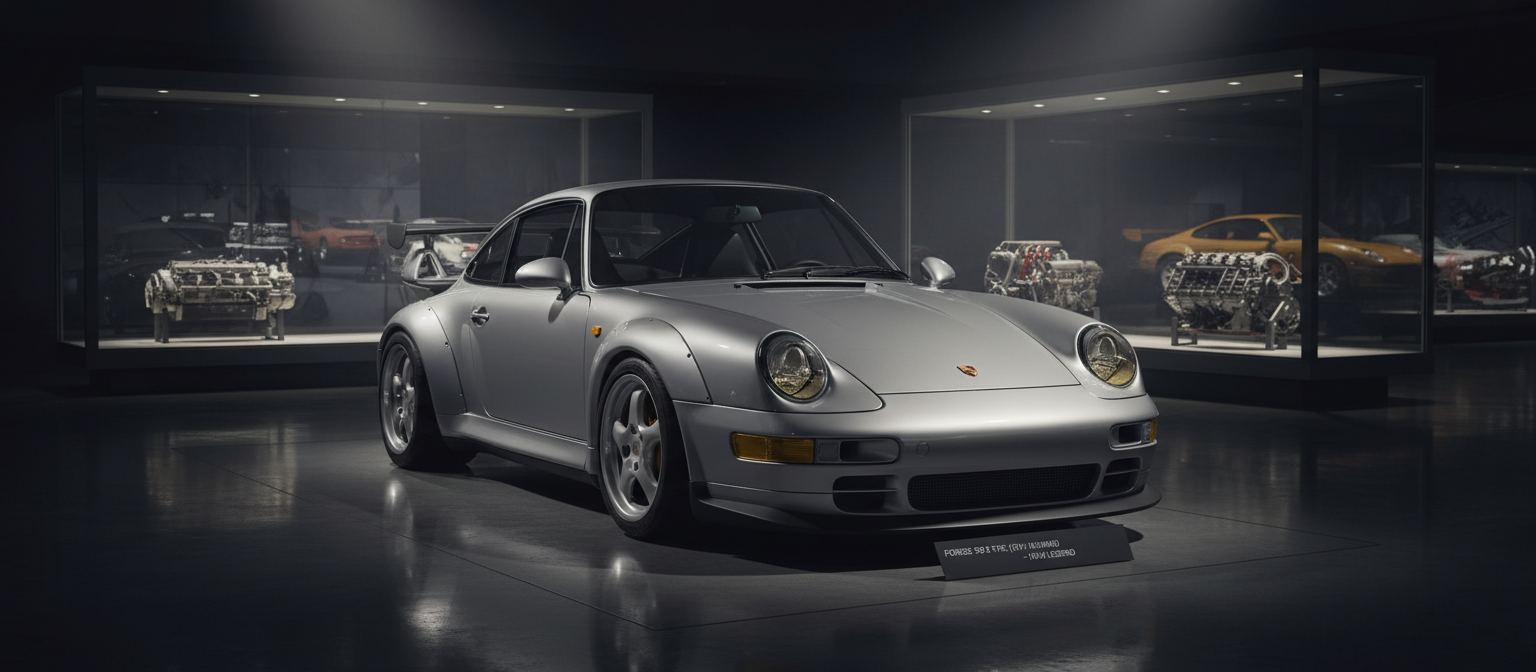
The 1995 Porsche 993 GT2 holds a special place in automotive history as the first official GT2 model. With its twin-turbocharged flat-six engine producing 430 horsepower, this air-cooled masterpiece set the template for everything that followed. The 993 GT2 featured a widened body, massive rear wing, and aggressive stance that announced its intentions before the engine even started. Only 57 road-going versions were produced, making it exceptionally rare. Today, collectors recognize the 993 GT2 as the purest expression of Porsche's racing DNA translated to street legality. Its air-cooled engine represents the end of an era, adding significant collector value and emotional appeal to an already extraordinary machine.
The 996 GT2: Controversial Yet Brilliant
When the 996-generation GT2 arrived in 2001, it carried the burden of being the first water-cooled GT2. Purists initially resisted, but the performance numbers were undeniable. With 462 horsepower pushing just 3,175 pounds, the 996 GT2 delivered blistering acceleration and razor-sharp handling. The controversial "fried egg" headlights may have divided opinion on aesthetics, but there was no debate about capability. This model introduced ceramic composite brakes as standard equipment and featured a six-speed manual transmission that connected driver to machine in ways modern automatics simply cannot replicate. The 996 GT2 proved that water-cooling didn't dilute the GT2 formula-it enhanced it, offering greater reliability and more consistent performance under extreme conditions.
The 997 GT2: Refined Aggression
The 997 GT2, produced from 2007 to 2009, represented a significant evolution in the lineage. Porsche's engineers extracted 530 horsepower from the twin-turbocharged engine, launching the car from zero to sixty in just 3.6 seconds. But raw power was only part of the story. The 997 GT2 introduced more sophisticated aerodynamics, improved chassis dynamics, and a level of refinement that made it surprisingly usable for extended driving. The distinctive side air intakes, aggressive front splitter, and prominent rear wing created an unmistakable profile. This generation struck an ideal balance-civilized enough for occasional street use yet uncompromising in its performance mission. Many enthusiasts consider the 997 GT2 the sweet spot of the vintage GT2 lineup, offering modern reliability with classic analog driving characteristics.
Why Vintage GT2 Models Command Premium Values
The collector market for vintage GT2 models has exploded in recent years, and for good reason. These vehicles represent limited production runs, with each generation producing only hundreds rather than thousands of units. The combination of scarcity, racing pedigree, and phenomenal driving dynamics creates strong demand among serious collectors. Unlike many modern supercars that isolate drivers with electronic intervention, vintage GT2 models demand engagement and reward skill. They represent an analog driving experience that's rapidly disappearing from the automotive landscape. Investment potential aside, these machines offer something money can't easily buy-a direct connection to Porsche's racing heritage and engineering excellence that defined an era.
What Makes a GT2 Different From Other 911 Variants
Understanding what sets the GT2 apart helps explain its enduring appeal. While the 911 Turbo offered all-wheel-drive traction and luxury appointments, the GT2 stripped away comfort features in pursuit of performance. Rear-wheel drive meant more challenging handling characteristics but also more engaging driving dynamics. Lighter weight, more aggressive aerodynamics, and track-focused suspension tuning distinguished GT2 models from their more civilized siblings. These weren't cars for casual weekend drives-they were engineered for those who understood and appreciated the difference between fast and truly exceptional. The GT2 badge signified membership in an exclusive club of drivers who prioritized capability over convenience.
The Driving Experience: What Owners Say
Owners of vintage GT2 models consistently describe the driving experience as transformative. The raw connection to the road, the visceral sound of the turbocharged engine, and the precision of the steering create an immersive experience that modern cars struggle to replicate. One 993 GT2 owner described it as "driving on the edge of control at all times-terrifying and exhilarating in equal measure." The lack of electronic nannies means driver skill directly determines outcomes, creating a sense of accomplishment that automated systems eliminate. These cars demand attention, reward precision, and punish mistakes-qualities that make them intimidating for novices but absolutely captivating for experienced drivers who crave authentic engagement.
Finding and Maintaining Your Vintage GT2
Acquiring a vintage GT2 requires patience and due diligence. These rare machines seldom appear on regular dealer lots, typically changing hands through specialist dealers or private sales within collector networks. Thorough pre-purchase inspections are essential, as maintenance history significantly impacts value and reliability. Genuine low-mileage examples command premium prices, but higher-mileage cars that have been properly maintained can offer better value. Maintenance costs reflect the car's specialized nature-budget for premium parts, specialized labor, and the occasional expensive repair. However, Porsche's legendary build quality means properly maintained GT2 models can deliver reliable performance for years. Building relationships with marque specialists and joining owner communities provides invaluable knowledge and resources.
Making Your Decision
The vintage Porsche GT2 represents more than transportation-it's a piece of automotive history, a driver's machine in the truest sense, and a tangible connection to an era when performance cars prioritized engagement over automation. Whether you're drawn to the air-cooled purity of the 993, the unexpected capability of the 996, or the refined aggression of the 997, each generation offers something special. These machines weren't built for everyone, and that exclusivity is part of their enduring appeal. For those who understand what makes them special, owning a vintage GT2 delivers rewards that extend far beyond mere transportation.