
The Best Vintage Porsche GT2 Models Every Collector Should Know
For automotive enthusiasts and collectors worldwide, few names carry the weight and prestige of the Porsche GT2. These remarkable machines represent the pinnacle of engineering excellence, combining raw power with timeless design. The vintage GT2 models have become increasingly sought after, not just as investments, but as rolling pieces of automotive history that continue to captivate drivers and collectors alike. Understanding what makes these vehicles so special requires a deep dive into their heritage, performance capabilities, and the unique characteristics that set them apart from every other sports car on the road.
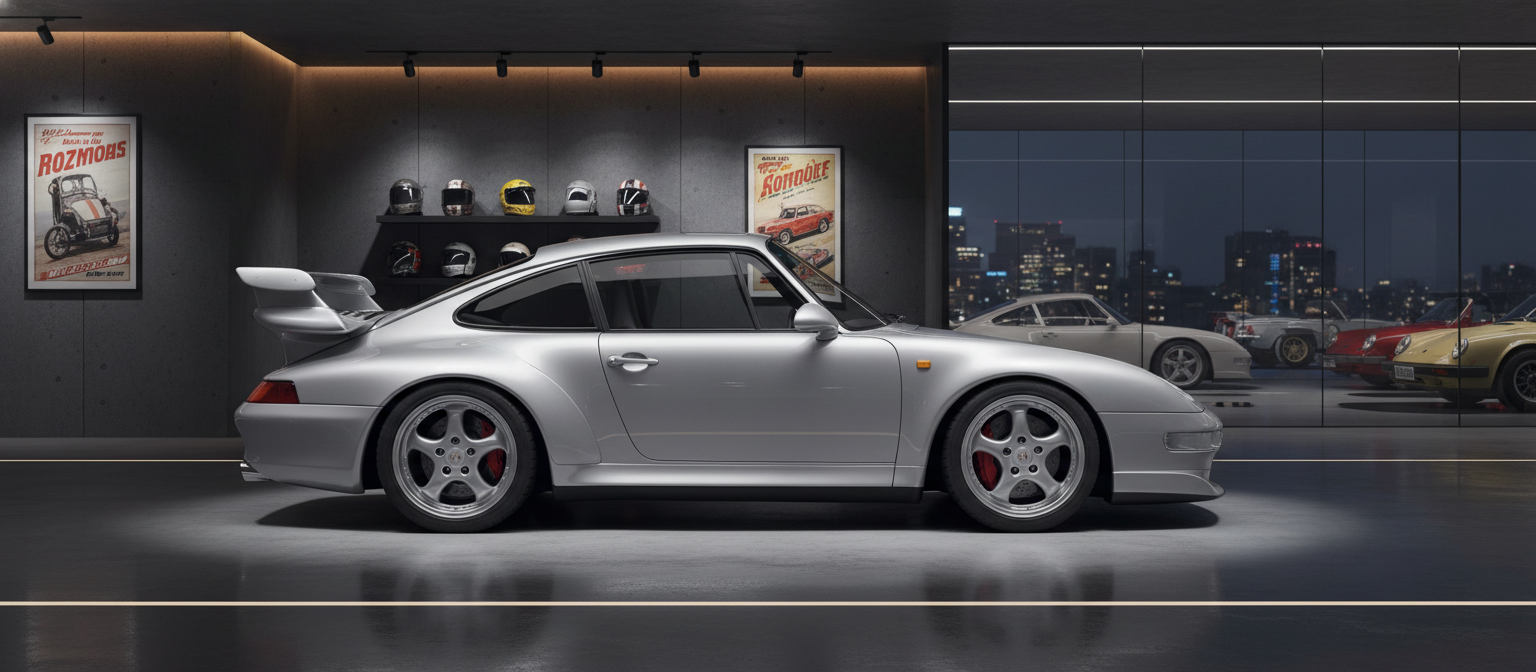
The Birth of a Legend: Understanding the GT2 Heritage
The Porsche GT2 lineage began in the 1990s as a race-homologation special, designed to compete in GT racing categories. Unlike its GT3 sibling, the GT2 featured rear-wheel drive and turbocharged engines, creating a driving experience that was both exhilarating and demanding. These early models established the GT2's reputation as a "widowmaker" - a car that required skill, respect, and nerves of steel. The original 993 GT2, introduced in 1995, produced 430 horsepower and became an instant classic. Only 57 units were produced, making it one of the rarest and most valuable Porsches ever made. This exclusivity, combined with its racing pedigree, established the foundation for the GT2's legendary status in automotive history.
The 996 GT2: Balancing Modern Performance with Classic Appeal
The 996 generation GT2, produced from 2001 to 2005, represents a sweet spot for vintage collectors. This model bridged the gap between air-cooled heritage and modern water-cooled efficiency, delivering 462 horsepower in standard form and 483 horsepower in the later GT2 Clubsport variant. What makes the 996 GT2 particularly desirable is its analog driving experience combined with relative reliability compared to earlier models. The car featured a stripped-down interior, fixed rear wing, and aggressive wide-body stance that screamed performance. With only around 1,200 units produced worldwide, the 996 GT2 offers collectors a rare opportunity to own a piece of Porsche's racing heritage without the extreme rarity and pricing of the 993 model. Many experts consider this the last "driver's GT2" before electronic aids became more prevalent.
What Collectors Look For in Vintage GT2 Models
When evaluating vintage Porsche GT2 models, several factors separate exceptional examples from the rest. Service history stands paramount - documented maintenance at authorized Porsche centers or specialist shops significantly impacts value and reliability. Original paint and unmolested bodywork command premium prices, as many GT2s saw track duty and subsequent repairs. Low mileage certainly adds value, but many collectors prefer cars that have been properly driven and maintained over garage queens with deteriorating seals and fluids. Color combinations matter tremendously, with rare factory colors like Speed Yellow, Guards Red, or GT Silver Metallic fetching higher prices. The presence of original options like carbon ceramic brakes, roll cages, or factory sport seats can add tens of thousands to a car's value. Most importantly, matching numbers and complete documentation prove authenticity in a market where replicas and modified examples abound.
Investment Potential and Market Trends
The vintage GT2 market has shown remarkable strength over the past decade. The 993 GT2 has appreciated from around $300,000 in 2010 to well over $1.5 million for exceptional examples today. The 996 GT2 has similarly climbed from $100,000 to $400,000+ for pristine models. Several factors drive this appreciation: limited production numbers, increasing recognition of the GT2's significance in Porsche history, and growing demand from younger collectors who grew up idolizing these cars. Unlike some classic cars that serve purely as museum pieces, GT2s remain incredibly capable performance machines that can hold their own at modern track events. This usability combined with collectability creates unique appeal. Market analysts predict continued strong performance, particularly as air-cooled and early water-cooled Porsches become increasingly scarce and appreciated.
The Driving Experience: Why Enthusiasts Choose GT2
Beyond investment potential, vintage GT2 models offer an unfiltered driving experience increasingly rare in modern sports cars. The combination of turbocharged power, rear-wheel drive, and minimal electronic intervention creates a machine that demands full attention and rewards skilled driving. Owners consistently describe the GT2 as communicative, with steering that telegraphs road conditions and a chassis that responds instantly to driver inputs. The acceleration remains breathtaking even by contemporary standards, with the rush of turbo boost providing an addictive surge of power. The sound - a distinctive flat-six wail combined with turbo whistle - creates an emotional connection that modern synthesized engine notes cannot replicate. This visceral experience explains why many owners refuse to sell despite appreciating values, preferring to enjoy these machines rather than treat them purely as financial assets.
Maintenance and Ownership Considerations
Owning a vintage Porsche GT2 requires commitment and realistic expectations. These are high-performance machines with maintenance needs to match. Annual service costs typically run $5,000-$10,000 for properly maintained examples, with major services potentially exceeding $15,000. Finding qualified technicians familiar with these specific models is essential, as improper maintenance can lead to catastrophic failures. Common issues include turbocharger wear, clutch replacement (a significant expense), and suspension component wear. However, compared to exotic Italian competitors, Porsches generally offer better reliability and more reasonable maintenance costs. Insurance represents another consideration, with agreed-value policies essential to protect your investment. Many owners join marque-specific clubs and forums, finding these communities invaluable for sourcing parts, finding qualified mechanics, and connecting with fellow enthusiasts who understand the unique joys and challenges of GT2 ownership.
Finding Your Perfect Vintage GT2
The vintage GT2 market requires patience, research, and often willingness to travel. The best examples rarely appear on general classified sites, instead selling through specialist Porsche dealers, auction houses like RM Sotheby's or Gooding & Company, or private collector networks. Pre-purchase inspections by qualified specialists are absolutely essential, as repair costs for undisclosed issues can quickly exceed tens of thousands of dollars. Expect to spend several months searching for the right car with proper documentation, clean history, and fair pricing. Building relationships with dealers and specialists in the Porsche community often provides early access to cars before they reach public market. Whether you're drawn to the raw purity of the 993 GT2 or the more accessible excellence of the 996 GT2, taking time to find the right example ensures years of driving enjoyment and sound investment.
The Future of Vintage GT2 Collecting
As the automotive world shifts toward electrification and autonomous technology, vintage GT2 models represent something increasingly precious: pure, unassisted driving excitement. These machines capture a specific moment in automotive history when manufacturers prioritized performance and driver engagement above all else. The combination of limited production, racing heritage, and extraordinary performance ensures continued strong demand from collectors and enthusiasts. For those who appreciate automotive excellence and seek connection with driving's purest form, vintage Porsche GT2 models offer an opportunity to own and experience something truly special. Whether viewed as investment, passion, or both, these remarkable machines continue to prove why Porsche remains synonymous with sports car excellence. The opportunity to acquire and enjoy these legends exists today, but as values continue rising and examples become increasingly scarce, the window for entry continues to narrow.