
Buying a Home Without a Mortgage: What You Should Know
Buying a Home Without a Mortgage: What You Should Know
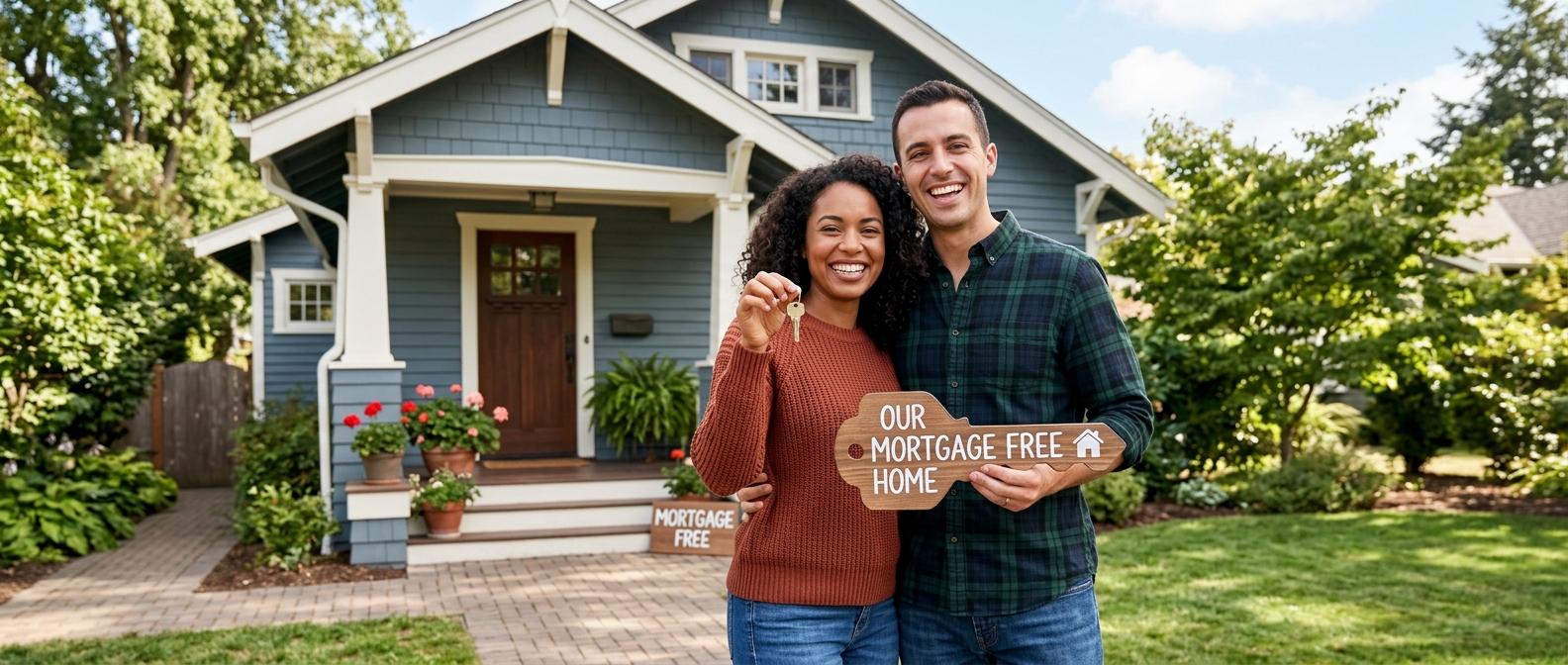
Imagine owning a home outright, with no monthly mortgage payment hanging over your head. No bank breathing down your neck. No decades-long debt. For a growing number of buyers, this isn't a fantasy anymore. It's a real, achievable path. But is it actually possible for you? And what does it really take to pull it off? Let's break down the truth behind buying a house without a traditional home loan.
Why More People Are Rethinking the Traditional Mortgage Route
For generations, the mortgage was seen as the only way into homeownership. Save a small deposit, borrow the rest, and spend the next 20 or 30 years paying it back with interest.
But rising interest rates, stricter lending requirements, and economic uncertainty have pushed many buyers to search for alternatives. People are asking a simple question: is there a smarter way to own a home without taking on massive long-term debt?
The answer, for some, is yes. And it starts with understanding that "buying without a mortgage" doesn't always mean paying 100% cash upfront.
The Old Assumption: You Need a Bank to Buy a House
Most people assume homeownership requires a traditional 30-year mortgage from a bank. That assumption made sense for decades. But it's not the only route anymore.
Alternative paths have emerged, including:
- Cash purchases using savings, inheritance, or investment proceeds
- Seller financing, where the seller acts as the lender
- Rent-to-own agreements that build equity over time
- Shared ownership or co-buying arrangements with family or partners
- Government-backed assistance programs for specific buyer categories
Each option comes with its own rules, risks, and benefits. None of them work the same way in every region.
Why Cash Purchases Are Becoming More Common
Buying a home in cash isn't just for the ultra-wealthy anymore. Many buyers are selling a previous property, using retirement savings, or pooling family resources to avoid interest payments entirely.
The appeal is obvious. No interest means the home costs exactly what you pay for it, nothing more. There's also no risk of foreclosure since there's no lender involved.
But cash buyers still need to consider closing costs, property taxes, insurance, and ongoing maintenance. Owning outright doesn't mean owning for free.
Seller Financing: An Overlooked Alternative
In a seller-financed deal, the person selling the home essentially becomes the bank. The buyer makes payments directly to the seller, often with a negotiated interest rate and term.
This can be a great option for buyers who don't qualify for traditional loans, whether due to credit history, self-employment income, or other factors. It can also benefit sellers who want steady income instead of a lump sum.
Because these deals aren't standardized like bank mortgages, terms vary widely. Some are far more favorable than others.
Rent-to-Own: A Bridge Between Renting and Owning
Rent-to-own agreements let buyers rent a property with the option (or obligation) to purchase it later, often with a portion of rent credited toward the eventual purchase price.
This can work well for buyers who need time to save, repair credit, or wait out market conditions. However, contracts differ enormously. Some are buyer-friendly. Others are not.
Why Location Changes Everything
Here's the part that trips up most first-time researchers: none of these strategies work the same way everywhere.
Seller financing rules, cash purchase closing costs, government assistance programs, and even rent-to-own legality can vary significantly depending on where you live. What's a smart move in one region might be legally complicated or financially risky in another.
This is exactly why generic advice can only take you so far.
The Search Intent Pivot: Why Your Specific Situation Matters
While these general strategies offer a solid starting point, the best mortgage-free path for you depends heavily on your location, your savings, your income situation, and local property laws.
A cash-purchase strategy that makes sense in one area could be entirely impractical in another. Seller financing terms considered standard in one market might be unusual elsewhere. Even government programs designed to help buyers vary from one region to the next.
This is why so many people move from general research to more targeted searches, looking specifically for options that apply to their own city, income bracket, or property type. Understanding the general landscape is step one. Finding out what's actually available and realistic for your specific circumstances is the step that turns curiosity into a genuine plan.
Final Thoughts
Buying a home without a traditional mortgage is no longer a rare exception. It's a growing, legitimate path for buyers looking to avoid long-term debt or who simply don't fit the standard lending mold.
But like most major financial decisions, the details matter more than the headlines. If this approach has caught your attention, it's worth digging deeper into the options that align with your specific location and financial picture.