
Why Buying an Abandoned House Is a Smart Move in 2026
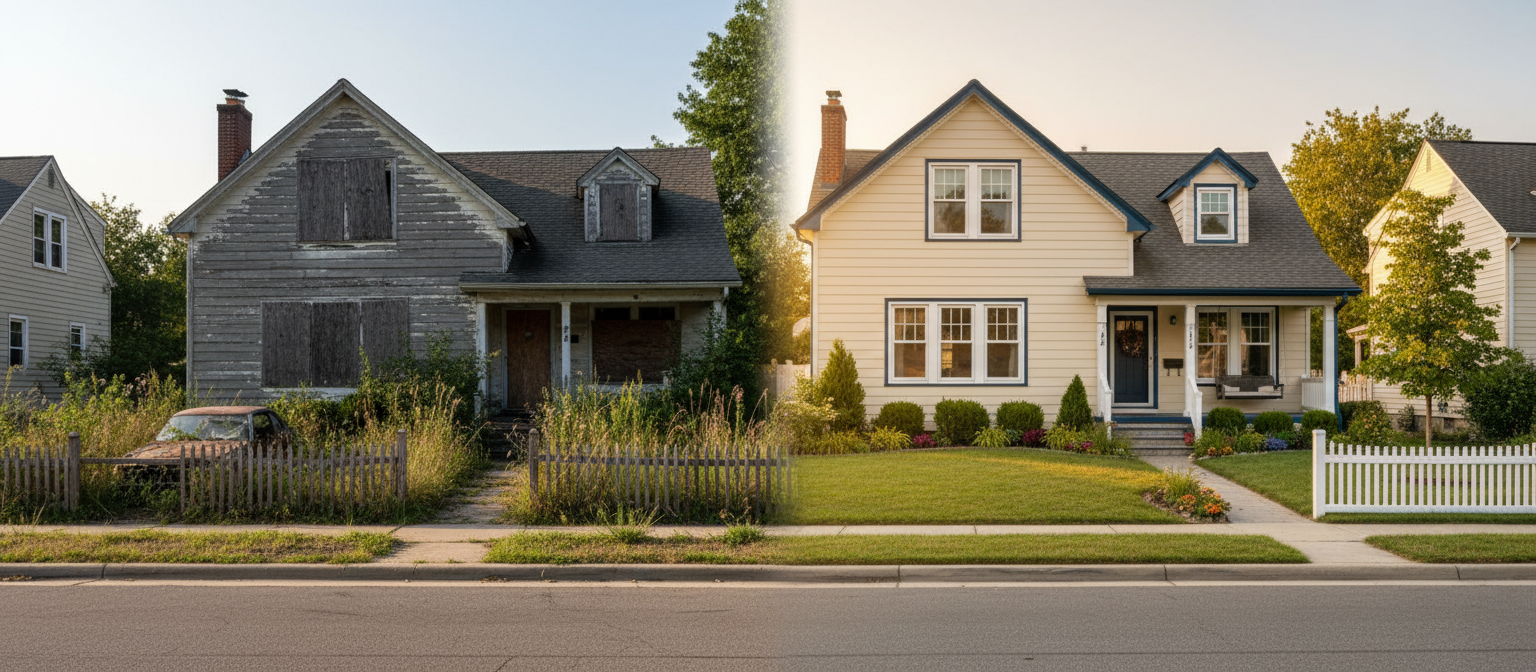
What if the best deal in today's housing market was hiding in plain sight - boarded up, overgrown, and completely overlooked? Across the country, thousands of abandoned properties sit waiting for the right buyer. While most people scroll past them, savvy homebuyers over 35 are discovering that these so-called "problem properties" can unlock incredible value. Lower prices, less competition, and serious equity potential. But there's a right way and a wrong way to go about it. Here's everything you need to know.
The Real Opportunity Nobody's Talking About
The housing market in 2026 remains tough for traditional buyers. Competition for move-in ready homes is fierce, and prices have stayed stubbornly high in most regions. But distressed and abandoned properties? That's a different story entirely.
Abandoned homes typically sell for 30 to 50% below market value. That's not just a bargain - that's instant equity the moment you close. And because most buyers shy away from these properties, you're usually competing with a smaller pool of investors, not hundreds of families bidding wars.
For buyers aged 35 and up - many of whom are looking to build long-term wealth, downsize strategically, or create a rental income stream - this represents a genuinely underutilized path to homeownership or investment.
Key Advantages of Buying an Abandoned Property
- Significant Price Discounts: Abandoned homes are routinely priced well below comparable move-in ready properties in the same neighborhood.
- Less Buyer Competition: The pool of buyers is smaller, meaning fewer bidding wars and more negotiating power for you.
- Full Customization: You're starting relatively fresh. Renovate to your exact taste without paying a premium for someone else's décor choices.
- Equity Growth Potential: Buy low, renovate smartly, and watch the property's value climb - often well above your total investment.
- Tax Incentives: In 2026, the Inflation Reduction Act still allows homeowners to claim up to 30% of renovation costs (up to $3,200/year) for energy-efficient upgrades like insulation, heat pumps, and solar panels.
Where to Find Abandoned Properties
Knowing where to look is half the battle. Here are the most reliable sources:
- Land Banks: Cities like Detroit, Dallas, and Pittsburgh run land bank programs that sell abandoned properties - sometimes for as little as $1,000. These programs are designed for committed buyers who agree to bring the home up to code.
- County Tax Auctions: When owners stop paying property taxes, counties eventually sell the property at auction. These can be incredible deals - but require careful title research beforehand.
- HUD & Fannie Mae Listings: Government-backed agencies list foreclosed and abandoned properties through their official portals.
- Driving for Dollars: A tried-and-true method - simply drive through target neighborhoods looking for visibly neglected homes, then research the owner through public records.
- Real Estate Agents Specializing in Distressed Properties: Not every agent handles these deals. Seek out specialists in REO (Real Estate Owned) or distressed property sales.
Financing Options You Should Know About
Here's where many buyers get stuck. Traditional mortgages often won't cover a home that isn't considered "habitable." But several financing tools exist specifically for this situation:
- FHA 203(k) Loan: This government-backed loan bundles the purchase price and renovation costs into a single loan with a down payment as low as 3.5%. It's one of the most accessible tools for non-cash buyers tackling fixer-uppers.
- Fannie Mae HomeStyle Renovation Loan: Similar to the 203(k) but designed for buyers with higher credit scores. It also allows a broader range of upgrades.
- Hard Money Loans: Short-term, higher-interest loans from private lenders. Useful for closing quickly and beating cash investors, then refinancing into a conventional mortgage once renovations are complete.
- Land Bank Financing Programs: Some municipalities pair their land bank listings with local financing assistance, especially in revitalization zones.
- Home Equity Loans (If You Already Own): If you own another property, tapping into existing equity is often a low-cost way to fund the purchase and renovation of an abandoned home.
Critical Tips Before You Make an Offer
Buying abandoned properties rewards those who do their homework. These tips can save you from costly surprises:
- Always Get a Full Title Search: Abandoned homes can carry unpaid tax liens, contractor debts, or municipal fines that transfer to the new owner. Never skip this step, and always purchase title insurance.
- Hire Specialized Inspectors: Beyond a standard home inspection, order a sewer scope (tree roots destroy pipes in vacant homes), test for environmental hazards, and check for buried oil tanks.
- Check for Occupants: Squatter situations can complicate and delay closings significantly. Visit the property in person before closing to confirm it's vacant.
- Budget Conservatively for Renovations: Labor and material costs remain elevated in 2026. Add a 20-25% buffer to your renovation estimates.
- Secure Builders Risk Insurance Early: Standard homeowners insurance won't cover an active renovation. Get a Builders Risk policy quote before you even make an offer - coverage availability varies significantly by location.
Is It the Right Move for You?
Abandoned homes aren't for everyone. They demand patience, a solid financial plan, and a tolerance for complexity. But for buyers who are ready to roll up their sleeves - or simply hire the right team - the payoff can be extraordinary. Whether you're looking for your forever home at a fraction of the price, a rental property to build passive income, or a long-term investment to pass on to your family, abandoned properties deserve serious consideration.
Find the Best Deals in Your Area
The advantages are clear - but the best abandoned home deals are highly location-specific. Property values, land bank availability, financing programs, and tax incentives all vary dramatically from state to state and even county to county. The smartest next step is to search for what's available and what's possible exactly where you are. Use the search terms below to explore local listings, financing programs, and expert advice tailored to your specific market.
Whether you're just starting your research or ready to make a move, digging deeper into your local options is the key to turning this opportunity into a real outcome. The right abandoned property - and the right financing - could be closer than you think.