
Why Buying Abandoned Houses in 2026 Is a Smart Move
The housing market in 2026 is tough. Inventory is low, bidding wars are common, and prices in most neighborhoods keep climbing. But while everyone else is fighting over the same listings, a quiet group of smart buyers is doing something different - they're buying abandoned homes. And they're building serious wealth doing it. If you're 35 or older and thinking about your next property move, this guide could completely change the way you see real estate.
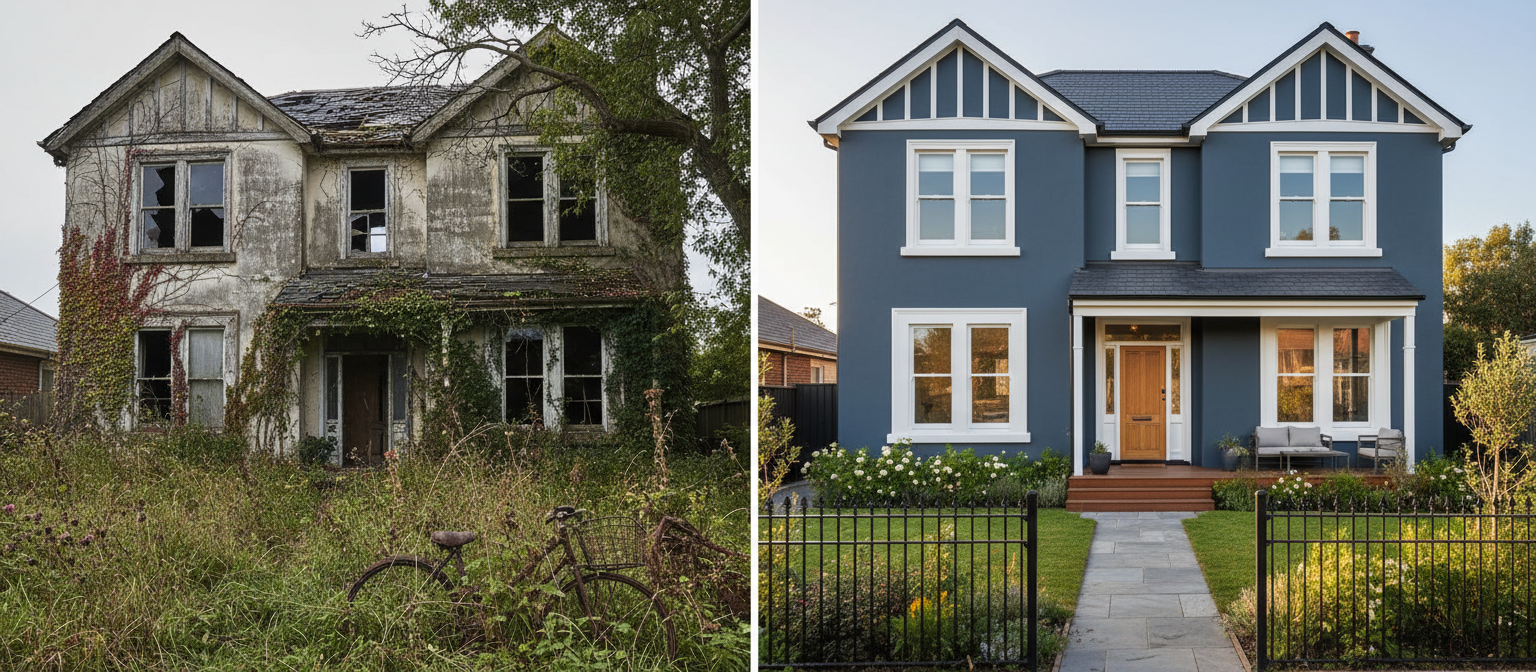 The Hidden Opportunity Most Buyers Walk Right Past
Abandoned properties are often overlooked because of their rough appearance. Overgrown lawns, broken windows, and boarded-up doors send most people running. But that's exactly what makes them so valuable to the right buyer.
These homes are typically priced well below neighborhood market value - sometimes as low as the price of the land alone. That gap between purchase price and post-renovation value is where real equity is built. Less competition means more negotiating power. And unlike a move-in-ready home, you control the renovation from the ground up.
Key Advantages of Buying an Abandoned Home
- Below-market pricing: Many abandoned homes sell for a fraction of comparable properties on the same street.
- Less competition: Most buyers don't want the hassle. That leaves the door wide open for those who do their homework.
- Full customization: You're designing the home from scratch - layout, finishes, fixtures - without paying a premium for someone else's taste.
- Instant equity potential: Buy low, renovate strategically, and you can enter a neighborhood with built-in equity from day one.
- Community impact: Revitalizing a blighted property lifts nearby property values, which can open doors to municipal support and local grants.
Where to Find Abandoned Properties
One of the best - and least-known - sources for abandoned homes is the land bank. Land banks are public authorities that hold tax-foreclosed properties and sell them to responsible buyers at dramatically reduced prices - sometimes as low as $1,000 to $5,000.
Active land banks worth exploring in 2026 include those in Wayne County (Detroit, MI), Cuyahoga County (Cleveland, OH), Albany County (NY), and Atlanta (GA). Most require buyers to show proof of renovation funds before a sale is approved - so come prepared.
You can also check your county's tax assessor website. If property taxes are two or more years delinquent, the owner is likely motivated to sell - and fast.
Financing an Abandoned Home: It's Easier Than You Think
Traditional mortgages typically won't cover uninhabitable properties. But there are renovation loan products designed specifically for situations like these:
- FHA 203(k) Rehab Loan: Combines purchase price and renovation costs into a single mortgage. The Standard 203(k) covers major structural work (minimum $5,000 in renovations). In 2026, FHA loan limits range from $541,287 in low-cost areas up to $1,249,125 in high-cost markets. Minimum credit score is typically 580.
- Fannie Mae HomeStyle Renovation Loan: A strong option for buyers with credit scores of 620+. It covers primary residences, second homes, and investment properties - and allows "luxury" upgrades that FHA programs won't. The 2026 conforming loan limit is $806,500 for most areas.
- VA Renovation Loan: For veterans and active military, this allows up to $50,000 in repairs folded into a VA loan - with zero down payment required. Work must be completed by a VA-approved contractor.
Grants and Tax Incentives You Should Know About
Beyond loans, there's real "free money" available in the form of state tax credits and revitalization grants. These vary by location, but here are some worth researching:
- Maryland Heritage Structure Rehabilitation Tax Credit: A refundable 20% credit on qualified rehabilitation expenses, up to $50,000.
- Kentucky Historic Tax Credit: Up to 30% of qualified rehabilitation costs for owner-occupied residential properties.
- Georgia Historic Home Credit: A new owner-occupied credit program that became effective January 1, 2026.
- Michigan Owner-Occupied Historic Credit: An active state-level credit for homeowners who live in the renovated property.
- Baltimore Vacants Reinvestment Initiative: Targets the redevelopment of vacant city blocks with grant funding rounds throughout 2026.
- California Dream For All Program: A shared appreciation loan offering up to $150,000 in down payment assistance, available via lottery in 2026.
Grant availability changes by year and by state. Always verify current eligibility directly with your state housing authority or a HUD-approved housing counselor.
4 Critical Tips Before You Buy
Abandoned homes reward the prepared buyer - and punish the careless one. Here's what you must do before signing anything:
- Inspect for "The Big Three": Always hire a structural inspector before making an offer. Focus on foundation integrity, roof condition and water damage, and environmental hazards like asbestos or lead paint. These are the costliest surprises.
- Run a full title search: Abandoned properties often come with "clouded titles" - hidden heirs, unpaid contractor liens, or back taxes. Hire a real estate attorney before closing. If you're buying via a tax deed sale, ask about a "Quiet Title" action to clear the property legally.
- Know the difference between vacant and abandoned: A vacant home may still have an engaged owner paying taxes. An abandoned property typically has tax liens attached. Check the county assessor's records before assuming.
- Budget conservatively: Renovation costs almost always run higher than initial estimates. Pad your budget by at least 20-30% and have a contingency fund in place before you begin.
Is This the Right Move for You?
Buying an abandoned home isn't for everyone. It takes patience, due diligence, and access to the right financing. But for buyers who are serious about building long-term wealth - or finding a deeply personalized home at a fraction of the cost - this is one of the most underrated strategies in today's market.
The sweet spot is knowing your local market, locking in the right loan product, and understanding what incentives are available in your specific area.
Your Next Step: Find the Right Resources for Your Area
While the tips and loan programs above give you a strong foundation, the best opportunities depend on where you live, your credit profile, and your renovation budget. Eligibility requirements, grant funding availability, and local land bank programs vary significantly from city to city and state to state.
The smartest next move is to search for specific programs, lenders, and abandoned property listings in your area. Look into terms like FHA 203k lenders near me, abandoned homes for sale, land bank properties, or home renovation grants by state to find opportunities tailored to your exact situation.
The more specific your search, the faster you'll find a real deal worth acting on.