
Repossessed Trucks: The Complete Buyer's Guide
Repossessed Trucks: The Complete Buyer's Guide
Every week, thousands of trucks change hands for a fraction of their original price. They're not used trucks in the traditional sense. They're repossessed vehicles, taken back by lenders after buyers couldn't keep up with payments. For someone shopping for a reliable work truck without draining their savings, this market is worth understanding. But most people don't even know it exists, let alone how to access it.
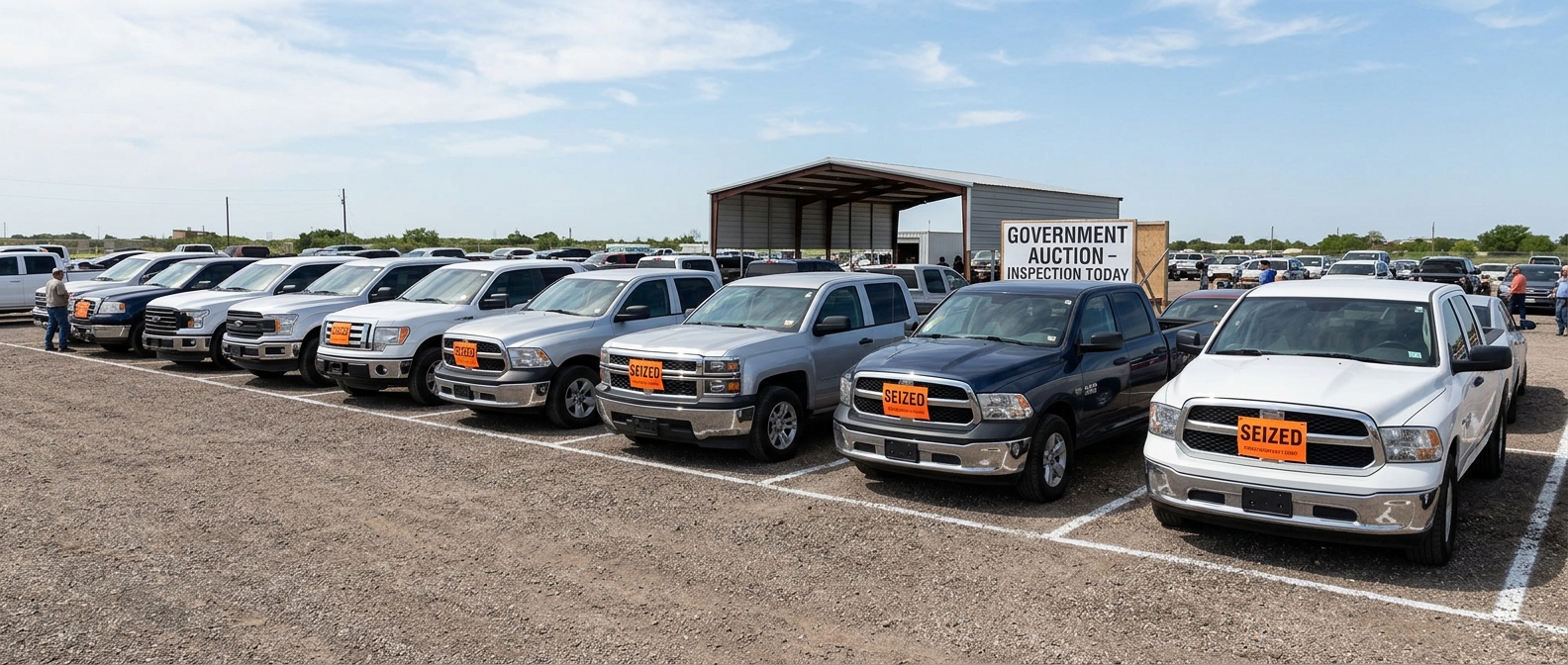
What Exactly Is a Repossessed Truck?
When a buyer stops paying their auto loan, the lender has the legal right to reclaim the vehicle. That truck then needs to go somewhere. Banks and credit unions aren't in the business of storing vehicles, so they sell them quickly, often at auction, sometimes through dealer partnerships.
The result? Trucks that are frequently only a year or two old, still under factory warranty, priced well below typical resale value.
Why the Old Way of Truck Shopping Falls Short
Most buyers still follow the same routine: visit a dealership, negotiate, finance at a markup, drive away thousands of dollars poorer than necessary. This approach ignores an entire segment of inventory that never makes it to a dealer showroom floor.
Traditional listings also don't disclose vehicle history the way repossession auctions do. Buyers often walk in blind, unaware of the leverage they could have had.
Common Misconceptions That Scare Buyers Away
A lot of hesitation comes from myths, not facts. Here's what people often get wrong:
- "They're all damaged." Most repossessed trucks are taken due to missed payments, not accidents or mechanical failure.
- "You need a dealer license to buy one." Many auctions are open to the public, though some require registration.
- "It's a legal hassle." Titles are typically cleared before resale, and paperwork follows standard used-vehicle procedures.
- "There's no way to inspect them first." Reputable auctions and listings usually allow pre-sale inspections or provide vehicle history reports.
How the Process Actually Works
Repossessed trucks typically move through one of a few channels:
- Bank-run auctions - Lenders liquidate inventory directly, often in bulk.
- Public auto auctions - Open to individual buyers, sometimes requiring a small registration fee.
- Dealer partnerships - Some dealerships buy repossessed inventory and resell it with a modest markup, plus warranty options.
- Online marketplaces - Increasingly, listings appear online, complete with photos, mileage, and condition reports.
Each channel has different pricing, accessibility, and paperwork requirements. That's where things start to depend heavily on where you actually live.
What Buyers Say About the Experience
People who've gone through this route often describe two things: surprise at how straightforward it was, and regret that they didn't look sooner. The biggest recurring theme is price. Trucks that would cost tens of thousands at a dealership sometimes sell for half that, especially at regional auctions with lower buyer turnout.
Of course, not every experience is smooth. Buyers who skip inspections or ignore auction terms sometimes end up with unexpected repair costs. Preparation matters more here than in a typical dealership purchase.
Key Things to Check Before Bidding or Buying
- Vehicle history report (accidents, title status, odometer readings)
- Auction terms - some sales are final with no return policy
- Estimated repair costs if the truck is sold "as-is"
- Local registration and inspection requirements after purchase
- Financing options, since not all repossessed sales qualify for standard auto loans
Why Location Changes Everything
Availability of repossessed trucks varies enormously by region. Some states run frequent public auctions with hundreds of vehicles. Others have limited access, funneling most inventory through dealer partnerships instead. Pricing also shifts based on local demand, truck popularity, and how many lenders operate in the area.
This is exactly why generic advice only goes so far. The best repossessed truck deals depend on your specific location, the type of truck you need, and which auctions or listings currently serve your area. National averages won't tell you what's available fifteen minutes from your home.
Getting a Clearer Picture for Your Area
If this market sounds worth exploring, the next step is finding out what's actually accessible near you. Auction schedules, dealer partnerships, and online listings change constantly, and details like pricing, condition, and availability are best confirmed directly rather than assumed from general information.
This guide is meant as a starting point, not a final answer. Repossessed trucks can be a smart option for the right buyer, but the details that matter most are local and current. Looking further into what's currently listed in your area is a reasonable next step before making any decisions.