
Why Car Insurance for Young Drivers Costs So Much (And How to Fix It)
If you're a young driver - or the parent of one - you already know the gut punch that comes with your first car insurance quote. The numbers feel almost unreal. A 16-year-old added to a family policy can push monthly premiums to over $600. An 18-year-old buying their own standalone policy? That can run nearly $600 a month on average. It's not a glitch. It's the system - and it's designed to work against young drivers. But there are very real ways to fight back.
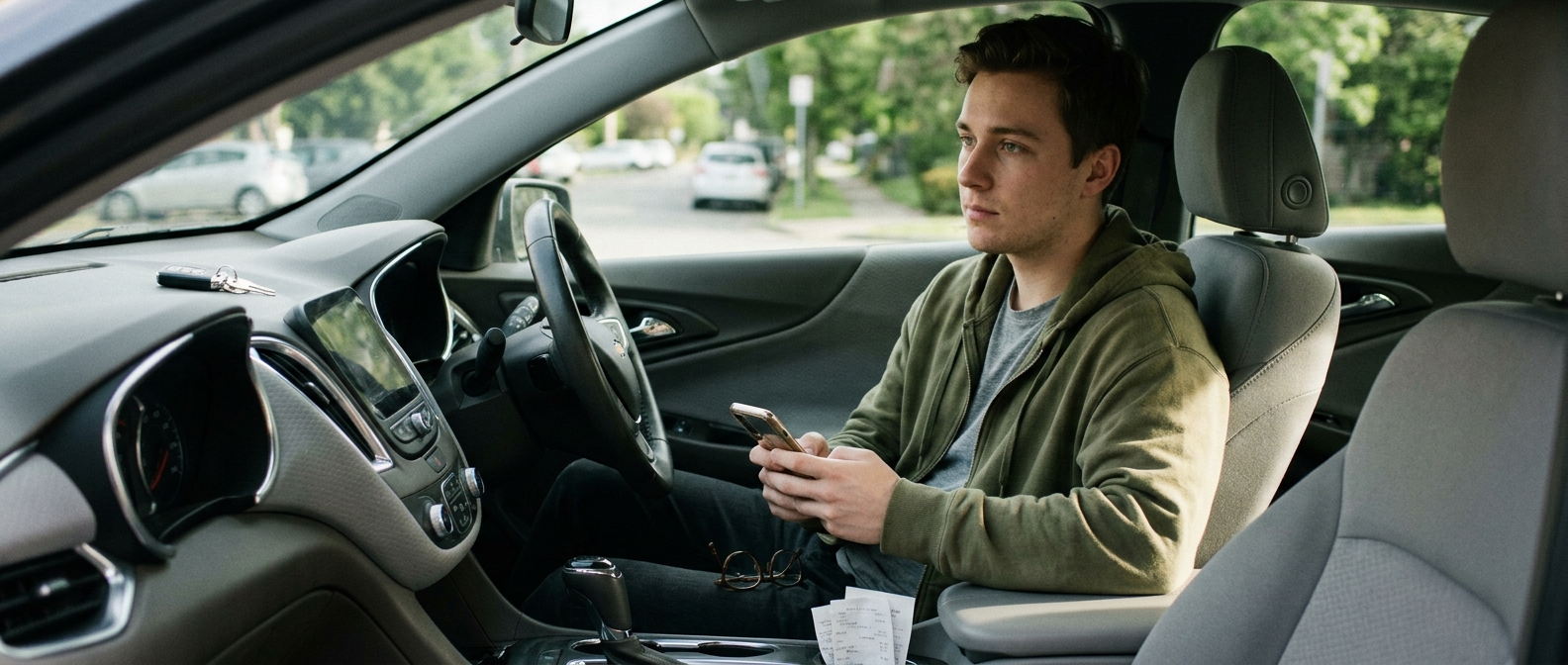
Why Young Drivers Pay So Much More
Insurance is a math game. Insurers look at risk, and statistically, young drivers between the ages of 16 and 25 are involved in significantly more accidents than any other age group. Less time behind the wheel means less experience reading road conditions, managing distractions, and making split-second decisions.
That risk gets priced into every single premium. It doesn't matter if you're a perfectly careful driver - you're paying for the behavior of your entire age group. That's the reality, and it's frustrating. But knowing why the rates are high is the first step to understanding how to lower them.
What Does Car Insurance Actually Cost for Young Drivers in 2026?
Here's a realistic breakdown of what families and young adults are seeing this year:
- Adding a 16-year-old to a parent's policy: $460-$660/month on average
- Adding an 18-19-year-old to a family plan: $280-$330/month
- An 18-year-old buying their own policy: ~$599/month (around $7,188/year)
- Young adults aged 20-25: $350-$395/month, dropping steadily with each claim-free year
The good news? Rates drop significantly as young drivers age and build a clean driving history. By age 25, most drivers see their premiums normalize to standard adult levels.
The #1 Move: Stay on a Parent's Policy
If you take nothing else from this article, take this: keeping a young driver on a family policy instead of getting them a standalone plan can save over $2,300 per year. Insurers average out the risk across all drivers on the policy, and older, experienced drivers bring that risk score down considerably.
If it's at all possible, don't rush to get an independent policy. The savings are substantial.
Good Grades Actually Pay Off - Literally
Most major insurers offer what's called a "Good Student Discount." If the young driver maintains a B average (3.0 GPA) or higher, they can qualify for a 10%-20% reduction in their premium.
Insurers have found that students who perform well academically tend to demonstrate more responsible behavior overall - including behind the wheel. It's one of the easiest discounts to qualify for and one of the most overlooked.
Let Your Driving Do the Talking With Telematics
Telematics programs - sometimes called usage-based insurance - use a mobile app or a small plug-in device to monitor driving habits like speed, hard braking, and late-night driving. If the young driver is actually safe behind the wheel, this is a powerful way to prove it.
Programs like Progressive's Snapshot or Liberty Mutual's RightTrack can reward safe drivers with discounts of 15%-30%. For a cautious young driver, this is money left on the table if ignored.
The Car You Drive Matters More Than You Think
Assigning a young driver to a sensible, safe vehicle can make a meaningful difference in the premium. Here's what to avoid and what to aim for:
- Avoid: Sports cars, high-horsepower vehicles, luxury brands
- Choose: Used sedans, small SUVs, vehicles with strong safety ratings
- Look for: Anti-lock brakes, anti-theft systems, advanced driver-assistance features
A 17-year-old driving a late-model family sedan will almost always pay less than one driving a used sports coupe - even if the coupe is cheaper to buy outright.
Other Discounts You Might Be Missing
Beyond the big-ticket items, there are several additional discounts worth asking about:
- Defensive driving course discount: Completing a certified course beyond state minimums can reduce premiums and genuinely improve safety.
- Distant student discount: If a college student is more than 100 miles from home and doesn't bring a car, insurers often offer a "student away at school" discount.
- Higher deductible: Raising your deductible from $500 to $1,000 can lower monthly payments - useful if the driver has a clean record and you're comfortable with a higher out-of-pocket cost in an incident.
Not All Insurers Price Young Drivers the Same
This is perhaps the most actionable insight of all. Different insurance companies weigh the risk of young drivers very differently. In 2026, GEICO and State Farm are consistently among the most competitive for teen and young adult drivers in the US. For families with military ties, USAA often comes out as the most affordable option available.
Shopping around isn't just recommended - it's essential. Getting quotes from at least three providers before committing to a policy is a basic step that many families skip, often leaving hundreds of dollars on the table every single month.
Finding the Right Policy for Your Situation
Here's the honest truth: there's no single "best" car insurance for young drivers. The right policy depends on your state, your driving record, your vehicle, your GPA, and the specific insurer's pricing model for your zip code. What's cheap in Texas might be expensive in New York. What works for a 19-year-old might not apply to a 23-year-old.
That's why the most effective next step is always a targeted search - comparing real quotes for your exact situation, in your location, from carriers who specialize in competitive rates for young drivers.
The rates are high, but they're not fixed. With the right combination of policy structure, discounts, and provider selection, young drivers and their families can take meaningful control over what they pay. Start by searching for the options that are available specifically in your area - the difference between the highest and lowest quote for the same driver can sometimes be hundreds of dollars per month.