
Coffee Tables Are Outdated: A Guide
Coffee Tables Are Outdated: A Guide
Walk into any furniture showroom today and you'll notice something different. The centerpiece isn't a bulky coffee table anymore. Designers, homeowners, and interior stylists are quietly rethinking one of the living room's most sacred fixtures. For decades, the coffee table sat at the center of every living space, unquestioned. Now it's being replaced, resized, or removed entirely. If your living room still revolves around one, you might be behind a shift that's already reshaping homes across the country.
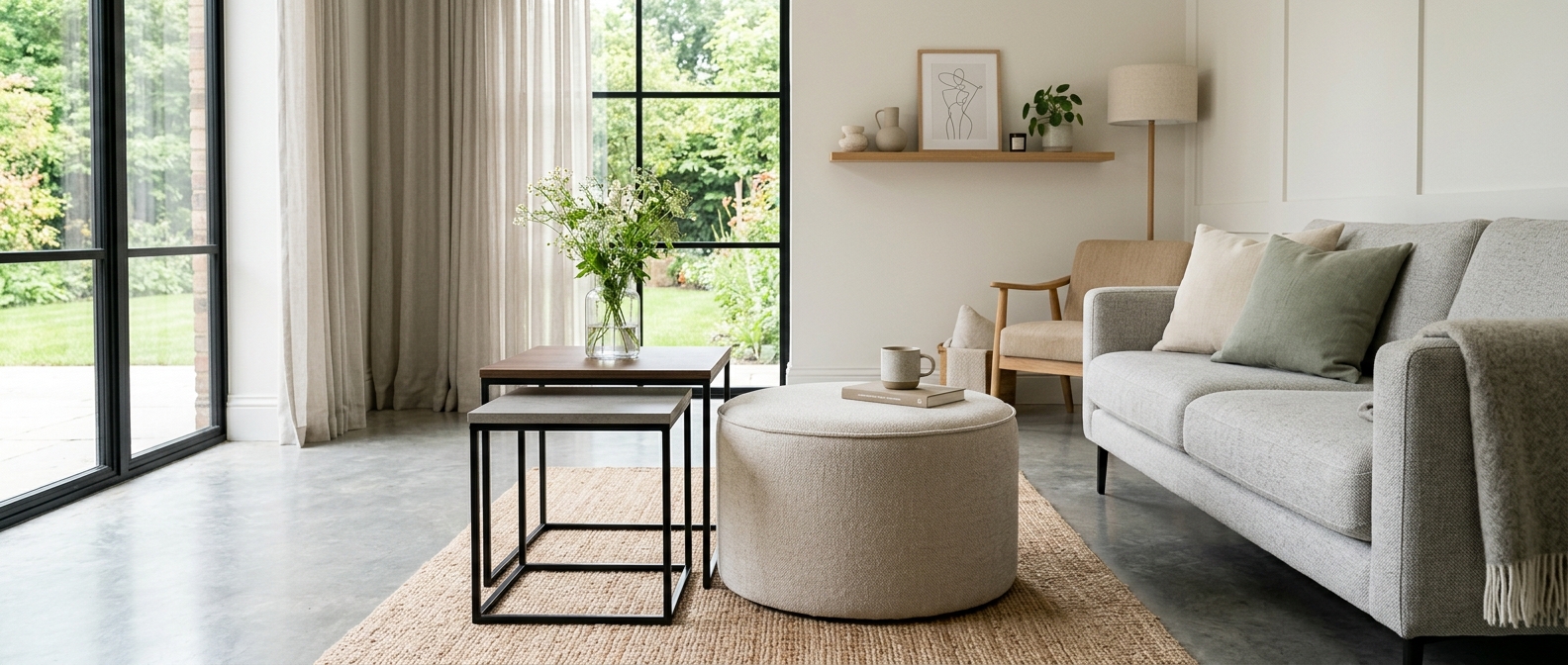
Why the Coffee Table Became a Problem
The traditional coffee table was built for a different era. Homes were larger, families gathered around televisions, and floor space wasn't as precious. Today's living rooms are smaller, multi-purpose, and often double as home offices or workout spaces. A large, fixed table in the middle of the room limits flow and makes furniture rearranging difficult.
Many homeowners report that their coffee table becomes a permanent junk catcher. Remote controls, mail, half-finished coffee cups. Instead of serving its purpose, it turns into visual clutter that's hard to maintain.
The Shift Toward Flexible Furniture
Interior designers are increasingly recommending modular and multi-functional pieces instead. These options adapt to how people actually live now:
- Nesting tables that separate for extra seating or stack away when not needed
- Ottomans with hidden storage that double as footrests and surfaces
- Side tables paired with sofas instead of one central piece
- Low benches that can shift rooms easily
The common thread is flexibility. Modern furniture is expected to move, adapt, and serve more than one function.
Small Spaces Are Driving the Trend
Urban living has changed what's practical. Apartments and smaller homes don't have room for oversized furniture that only serves one purpose. When square footage is limited, every piece needs to earn its place. This is a major reason coffee tables are being downsized, replaced, or skipped altogether in newer home layouts.
It's Not Just About Looks
This isn't only a style preference. There are practical reasons behind the shift:
- Households with kids or pets often find hard-edged tables unsafe
- Open floor plans favor furniture that doesn't block sightlines
- Remote work has pushed people to reclaim living room space for laptops and monitors
- Minimalist design trends favor fewer, more purposeful pieces
Combined, these factors explain why so many living rooms look different than they did even a few years ago.
What Designers Are Recommending Instead
Instead of a single large table, many designers suggest layering smaller functional pieces. This creates flexibility without sacrificing style. A pair of small tables can be pulled apart for guests, then pushed together for a minimalist look afterward. Storage ottomans can hide blankets or electronics while doubling as extra seating.
The goal is a living room that adjusts to daily life rather than one that dictates it.
The Search Intent Pivot
While these general trends explain the shift away from traditional coffee tables, the right replacement depends heavily on your room size, budget, and existing furniture style. A solution that works in a small city apartment won't necessarily work in a larger suburban living room with sectional seating.
This is where it helps to look into specific options that match your space. Many people searching for updated living room layouts are now comparing modular furniture sets, space-saving ottomans, and multi-functional tables designed for smaller homes. Local retailers and online furniture guides often list current options, pricing, and styles that fit particular room dimensions, something a general overview can't fully cover.
Rethinking a Living Room Staple
The coffee table isn't necessarily gone for good, but its role is changing fast. Homeowners are prioritizing flexibility, safety, and function over tradition. If your living room still centers around one large, fixed table, it may be worth exploring how current furniture trends could better fit your space and lifestyle. Looking further into today's most popular alternatives can help you decide what actually works for your home.