
The Complete Guide to Packing From Home
The idea of earning money by packing items from the comfort of your own home is more popular than ever. Thousands of people search for packing-from-home opportunities every day - drawn in by the promise of flexible hours, no commute, and a simple, physical task. But before you dive in, there's a lot you need to understand about how this industry actually works, what's legitimate, and how to protect yourself along the way.
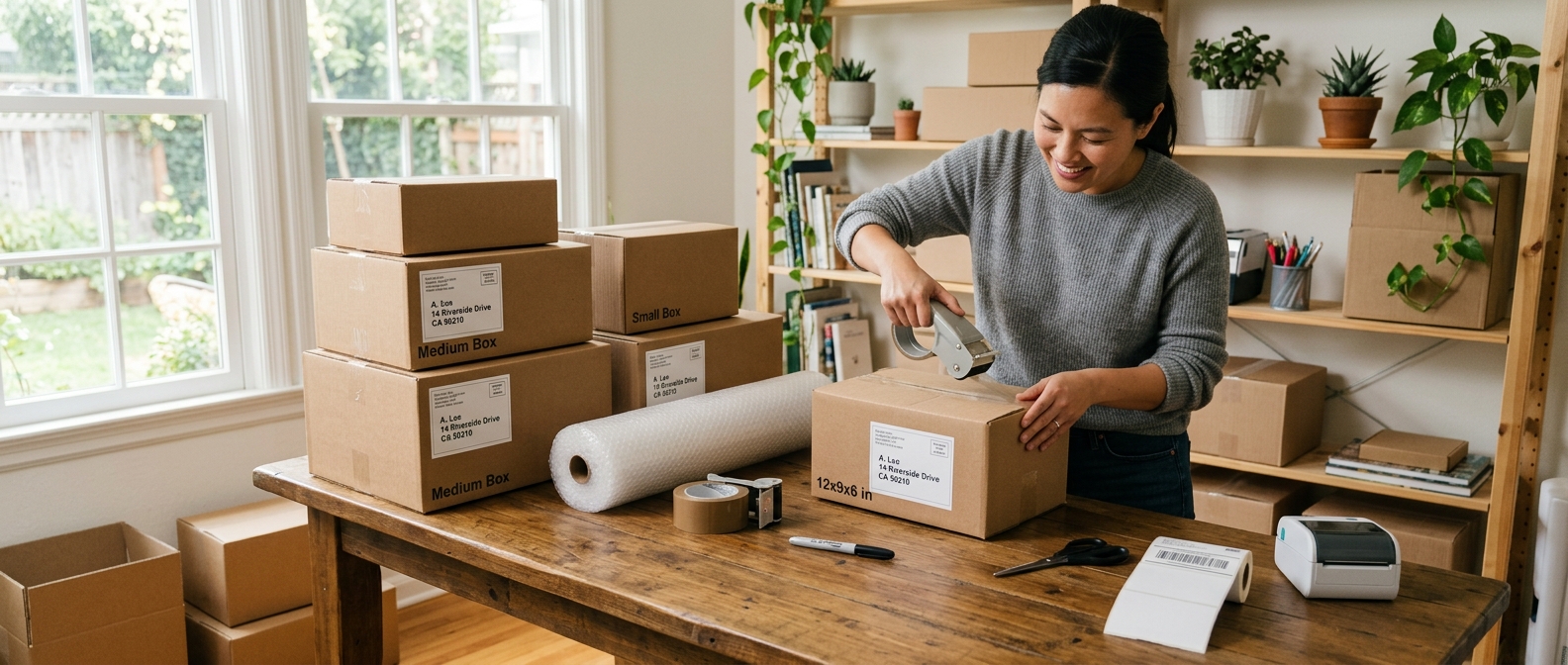
What Does "Packing From Home" Actually Mean?
The term covers a broad range of activities. At its core, it refers to any work where you handle, assemble, package, or ship physical products from your home. This can include:
- Packing and labeling products for small businesses or sellers
- Assembling craft or retail kits
- Preparing e-commerce orders for shipment
- Acting as a small-scale fulfillment center for local entrepreneurs
Each of these is a real activity - but the way you access them, and who is offering the work, matters enormously.
Why So Many People Are Drawn to It
Packing from home appeals to a wide audience: stay-at-home parents, retirees, students, and anyone looking for a side income stream. The appeal is straightforward - no special skills required, no degree needed, and work can often be done on your own schedule.
The physical, hands-on nature of the job also makes it feel more tangible and trustworthy compared to abstract online work. That's a big part of why interest in this space continues to grow year after year.
The Reality of the Industry
Here's where things get important. The modern supply chain is highly automated. Large retailers and brands rely on fulfillment warehouses, robotics, and bulk logistics - not individual home packers. That means truly "employed" packing-from-home roles, in the traditional sense, are extremely rare.
The legitimate opportunities that do exist tend to fall into one of these categories:
- Freelance or contract fulfillment: Working directly with local Etsy sellers, small businesses, or artisans who need someone to handle their order packing and shipping.
- Amazon FBA Prep Services: Many Amazon sellers outsource the task of prepping, labeling, and boxing their inventory before it goes to Amazon warehouses. You can offer this as a small home-based service.
- Starting your own micro-logistics business: Positioning yourself as a small third-party logistics (3PL) provider for local entrepreneurs is a growing niche.
Red Flags to Watch Out For
Unfortunately, the packing-from-home space also attracts fraudulent job listings. Knowing the warning signs can save you time, money, and stress. Be cautious if:
- You're asked to pay upfront for a "starter kit" or registration fee
- The job offer requires you to receive packages and reship them to unknown addresses
- There's no formal hiring process or interview
- The company only communicates via messaging apps like Telegram or WhatsApp
- Payment promises seem unusually high for simple tasks
The Federal Trade Commission (FTC) warns that reshipping goods is never a real job - and involvement can expose you to legal liability even if you didn't know the origin of the packages.
How to Get Started the Right Way
If packing from home genuinely interests you as an income stream, here's a practical path forward:
- Identify your niche: Are you targeting local small businesses? Online sellers? Craft brands? Having a clear focus makes it easier to find real clients.
- Set up a dedicated space: Even a small corner of a garage or spare room works. Organization and cleanliness matter when handling someone's products.
- Reach out directly: Contact Etsy sellers, local boutiques, or small e-commerce brands in your area. Many are overwhelmed with fulfillment and actively looking for help.
- Define your pricing: Charge per item packed, per hour, or per order - whichever makes sense for the volume and complexity of the work.
- Use legitimate platforms: List your services on platforms like Thumbtack, Craigslist Services (not jobs), or even LinkedIn to attract local business clients.
What Skills and Tools You'll Need
The good news: packing work has a low barrier to entry. You don't need formal qualifications. However, you will benefit from:
- Strong organizational skills and attention to detail
- Basic knowledge of shipping carriers (USPS, UPS, FedEx, DHL)
- Familiarity with packaging materials - boxes, bubble wrap, poly mailers, tape
- A reliable printer for labels and a postage scale
- A simple system for tracking orders (even a spreadsheet works)
As your operation grows, tools like ShipStation, Pirateship, or Shippo can help you manage shipping labels and track packages more efficiently.
Is It Worth It? What to Realistically Expect
As a supplemental income source, packing from home can be genuinely rewarding - especially if you enjoy physical work and want something predictable. However, it's rarely a full-time income on its own unless you build it into a proper service business with multiple clients.
Treat it like a small business from day one: track your income, keep records, and understand your local tax obligations. The more professional your approach, the more clients you'll attract - and retain.
Finding the Right Opportunity for Your Situation
Every person's situation is different. Your location, available space, schedule, and income goals all shape which type of packing work makes sense for you. Someone in a suburban area with a garage has different options than someone in a city apartment. The type of client you can realistically serve, the shipping costs you'll face, and the rates you can charge all vary based on where you live and who you're targeting.
That's why it pays to research your specific options - including local demand, what services are already being offered in your area, and what rates the market will support. Exploring what others are doing in the packing and home-based fulfillment space can give you a major head start.
Take the Next Step
Packing from home is a real opportunity for the right person - but success depends on going in with clear expectations and the right knowledge. Whether you're looking to supplement your income, launch a small service business, or simply understand what this industry involves, doing thorough research is the smartest first move you can make. The more informed you are, the better positioned you'll be to find something that genuinely works for your life.