
Cooking Classes for Adults 50+: A New Recipe for Life
Cooking Classes for Adults 50+: A New Recipe for Life
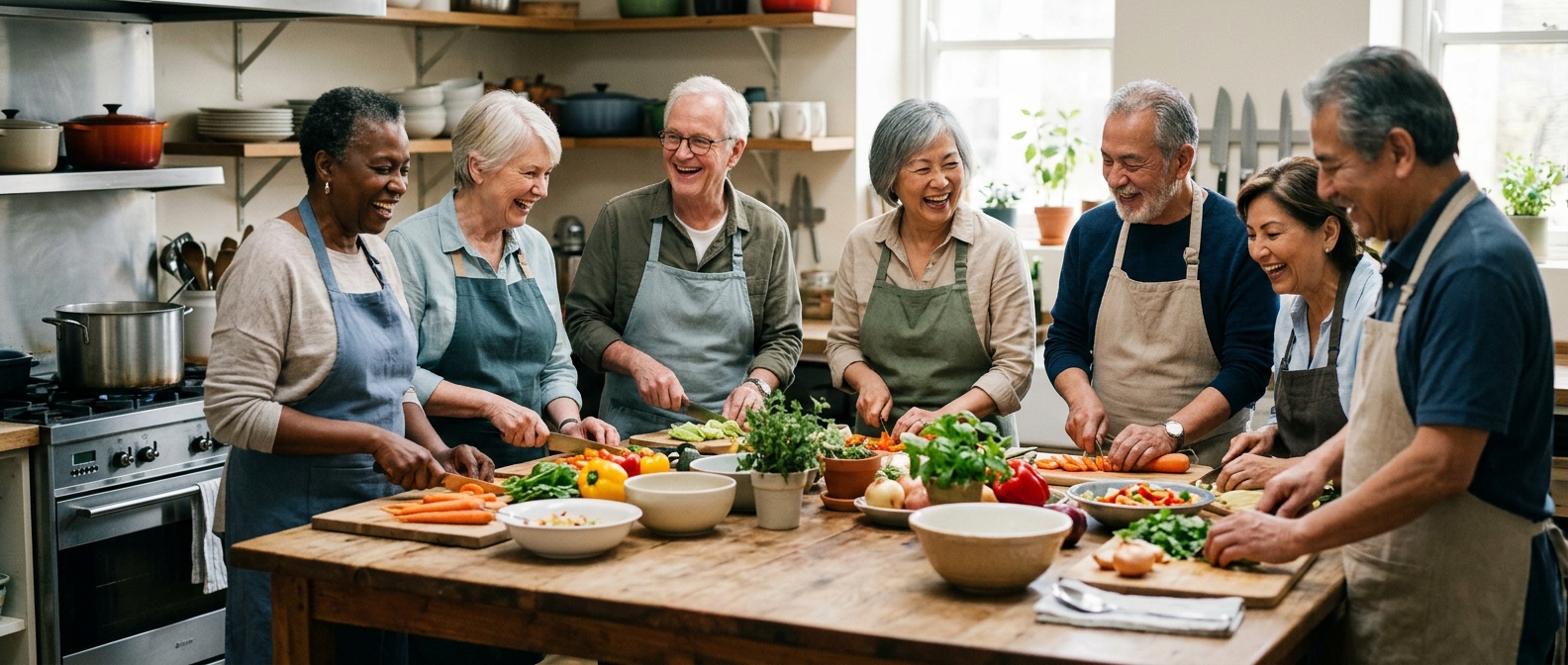
Retirement changes the clock. Suddenly there are free afternoons, quiet kitchens, and a nagging question: what now? For a growing number of people over 50, the answer is showing up in the last place they expected-the stove. Cooking classes designed for older adults are popping up in community centers, culinary schools, and even online, and they're doing more than teaching knife skills. They're rebuilding confidence, routine, and social connection, one recipe at a time.
Why the Kitchen Became the New Classroom
It sounds simple, but cooking is one of the few activities that checks every box for healthy aging. It engages memory, fine motor skills, and creativity all at once. Unlike a gym class, it also produces something you can eat, share, and be proud of. That combination is why enrollment in adult cooking programs has quietly surged over the past few years, especially among people navigating retirement, widowhood, or an empty nest.
The Problem With "Just Cooking at Home"
Many older adults already cook every day. So why take a class? Because solo cooking at home often becomes repetitive. The same five meals on rotation. No feedback. No new techniques. Worse, some people scale back on cooking altogether after a life change-less motivation to cook for one, less energy to try something new, or simply no one to teach them updated methods for managing diabetes-friendly meals, low-sodium diets, or arthritis-friendly kitchen tools.
That's where structured classes step in. They're not about restaurant-level plating. They're about relearning joy in the kitchen with guidance suited to real bodies and real schedules.
What These Classes Actually Look Like
Programs vary widely, but most share a few common features:
- Small group settings - usually 6 to 12 people, encouraging conversation as much as cooking.
- Adapted techniques - seated prep stations, lighter cookware, and knife alternatives for those with limited grip strength.
- Health-focused menus - heart-healthy, diabetic-friendly, or low-sodium recipes taught alongside classic comfort dishes.
- Social time built in - many classes end with a shared meal, turning a lesson into a mini social event.
Some are hosted at senior centers for free or low cost. Others are run by culinary schools, community colleges, or private chefs offering specialized workshops.
The Social Benefit Nobody Talks About
Loneliness is one of the most under-discussed health risks in older adulthood. Cooking classes solve for this almost by accident. You're not just learning to sauté vegetables-you're standing next to someone doing the same thing, swapping stories, laughing over a dropped spatula. For many participants, the recipe is secondary. The regular, low-pressure social contact is the real reason they keep coming back.
Common Concerns, Addressed
People often hesitate before signing up. Here are the usual worries, and why they rarely hold up:
- "I've never taken a class before." Most programs are designed for beginners, not professionals.
- "I have physical limitations." Adapted classes exist specifically for mobility issues, arthritis, or limited standing time.
- "It's too expensive." Many community and senior centers offer subsidized or free sessions.
- "I won't know anyone." That's exactly the point-most people show up alone and leave with new friends.
It's Not Just About the Food
Instructors who work with older adults often mention the same pattern: the biggest shift they see isn't in cooking skill, it's in mood. Students report feeling more capable, more independent, and more excited about meal planning at home. Some even use what they learn to cook for grandchildren or host family dinners again after years of stepping back from hosting.
Finding the Right Fit Depends on Where You Live
Here's the catch: not all programs are created equal, and availability varies enormously by region. A senior center in one city might offer free weekly classes with a professional chef, while another area might only have paid private workshops. Costs, schedules, class sizes, and specializations (diabetic cooking, one-handed techniques, budget meal prep) differ from provider to provider.
Because of that, the best move isn't to guess. It's to look into cooking classes for adults over 50 available specifically in your area, comparing local senior centers, community colleges, and culinary schools to see what fits your schedule, budget, and any dietary or mobility needs you might have.
A Small Step With a Big Ripple Effect
Signing up for a single class doesn't sound like a life-changing decision. But for many older adults, it's the first new routine they've built in years. It gets them out of the house on a schedule, gives them a reason to plan ahead, and often leads to trying foods or techniques they'd never have attempted alone.
Before You Sign Up
If you're considering it, a few quick questions can help narrow the search: Is the class adapted for mobility or health needs? Is it a one-time workshop or an ongoing series? Does it include a shared meal? Is transportation available if needed? Local senior centers and community program coordinators are usually the fastest way to get real answers.
Cooking classes for adults over 50 aren't a trend-they're a practical response to a stage of life that often lacks built-in structure and connection. Whether the goal is better health, new friendships, or simply something to look forward to on a Tuesday afternoon, the right class can make a bigger difference than the recipe itself ever could.