
Deals for You: How to Score Diamond Jewelry at Police Impound Auctions
Did you know that law enforcement agencies across the U.S. are quietly sitting on mountains of seized diamond jewelry - and they're required by law to sell it off, often for a fraction of retail price? Real diamonds. Real auctions. Real deals. Every year, unclaimed and confiscated gems are liquidated through government-authorized channels, and savvy buyers are scooping them up for pennies on the dollar. Here's everything you need to know before you start bidding.
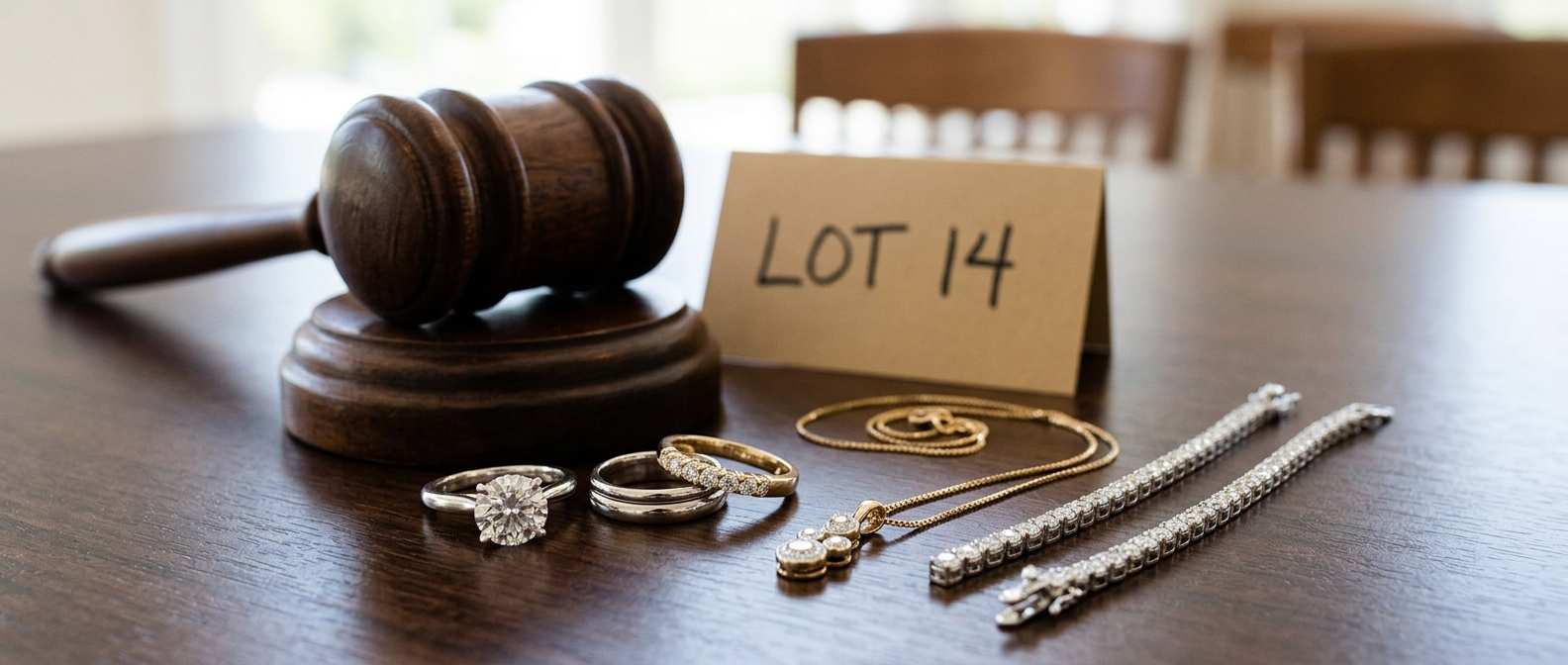
Why Police Impound Auctions Exist - and Why It Benefits You
When law enforcement agencies seize assets from criminal activity or hold onto unclaimed property, they can't keep it forever. Federal regulations require that this property - including high-end diamond rings, necklaces, and bracelets - be liquidated. The goal isn't to make a profit. It's simply to convert assets into funds for government programs. That's a massive win for buyers who know where to look.
Where to Find Legitimate Police Seizure Jewelry Auctions
The biggest mistake most buyers make is falling for fake "police auctions" at local hotels or community halls. Those are scams. The real deals happen online through officially contracted platforms. Here are the most trusted sources:
- PropertyRoom.com - The largest police auction platform in the U.S., partnering with over 3,000 law enforcement agencies. Jewelry is one of their most active categories.
- GovDeals.com - A government surplus portal with a dedicated Jewelry & Watches section for police-seized items.
- Bid4Assets.com - Handles federal and state forfeiture liquidations, including high-end diamonds and luxury watches.
- U.S. Marshals Service Contractors - Federal seizures from major criminal enterprises go through authorized auctioneers. Look for contractors like Gaston & Sheehan or CWS Marketing, which handles U.S. Treasury and Customs seizures.
How the Bidding Process Works
Getting started is simpler than most people think. Follow these basic steps:
- Register an account on your chosen auction platform. Some high-end federal auctions may require a small refundable deposit to verify you're a serious bidder.
- Browse the jewelry listings. Filter by category and read the item descriptions carefully - including all fine print.
- Place your bid. Most platforms use a proxy bidding system. You set a maximum, and the system bids automatically on your behalf.
- Win and pay. Winners typically have 3-5 days to pay. After payment, items are shipped directly to you - though shipping and insurance fees are your responsibility.
Pro Tips to Land the Best Deals
Not every listing is a gem (no pun intended). Here's how to bid smarter and stretch every dollar:
- Always look for GIA or IGI certification. These independent gemological certificates verify the diamond's Cut, Color, Clarity, and Carat weight. Never bid high on an uncertified stone based on photos alone.
- Factor in the Buyer's Premium. Most auction sites add a fee - often 10-20% - on top of your winning bid. Always calculate your true all-in cost before placing any bid.
- Target poorly photographed listings. Items with dark or unclear photos often attract fewer bidders. If a blurry ring comes with a verified GIA certificate, you may face less competition and land a steal.
- Ignore "Appraisal Value." Insurance appraisals are frequently inflated. Instead, check eBay's "Sold Items" filter or diamond marketplace sites to find real-world resale prices for comparable stones.
- Set a hard limit - and stick to it. Auction fever is a real psychological trap. Decide your absolute maximum (including premiums) before you start bidding, and don't budge.
Critical Warnings: Scams to Avoid
The popularity of police auctions has created a market for imitators. Protect yourself by knowing these red flags:
- Beware of "traveling" auction events. Newspaper or social media ads for "police seized jewelry" at local venues are almost always private liquidators using the phrase as a marketing hook. They sell low-quality, heavily treated stones at inflated prices.
- All sales are final. Government auctions operate on an "as-is, where-is" basis. There are no refunds, no returns, and no warranties. Read every word of the listing description.
- Know natural vs. lab-grown diamonds. Some platforms mix standard business inventory with police seizures. A lab-grown diamond has significantly lower resale value than a natural one. The listing should always specify.
Is It Worth It?
For buyers who do their homework, police impound diamond jewelry auctions can be one of the most legitimate ways to acquire high-value pieces at deep discounts. The key is staying disciplined, bidding only on verified items, and always understanding the full cost before you click "place bid." The opportunities are real - the savings can be significant - but only if you approach it like an informed buyer, not an impulse shopper.
Finding the Right Auction for Your Budget and Location
The best deals at police impound auctions can vary significantly depending on your region, the type of jewelry available, and the platform running the sale. Whether you're searching for a certified diamond engagement ring, a luxury necklace, or a seized estate piece, comparing current listings across multiple platforms is the smartest first move. Exploring search terms like police impound jewelry auctions, government seized diamond rings for sale, or seized property auction near me can help you find the most relevant and up-to-date listings tailored to your area and budget.
The world of police impound auctions rewards patience and preparation. Take your time, do your research, and the right deal could be just a few clicks away.