
DealVault: Your Guide to Buying Second Hand Rims Complete
You've seen them listed online - a gorgeous set of complete wheels, rims and tires together, at a fraction of the retail price. But is the deal as good as it looks? The used wheel market is a goldmine for savvy buyers, but it's also a minefield for the unprepared. Whether you're upgrading your daily driver, prepping a weekend car, or simply trying to save serious money, knowing how to shop for second hand rims complete is one of the smartest skills a car owner can have.
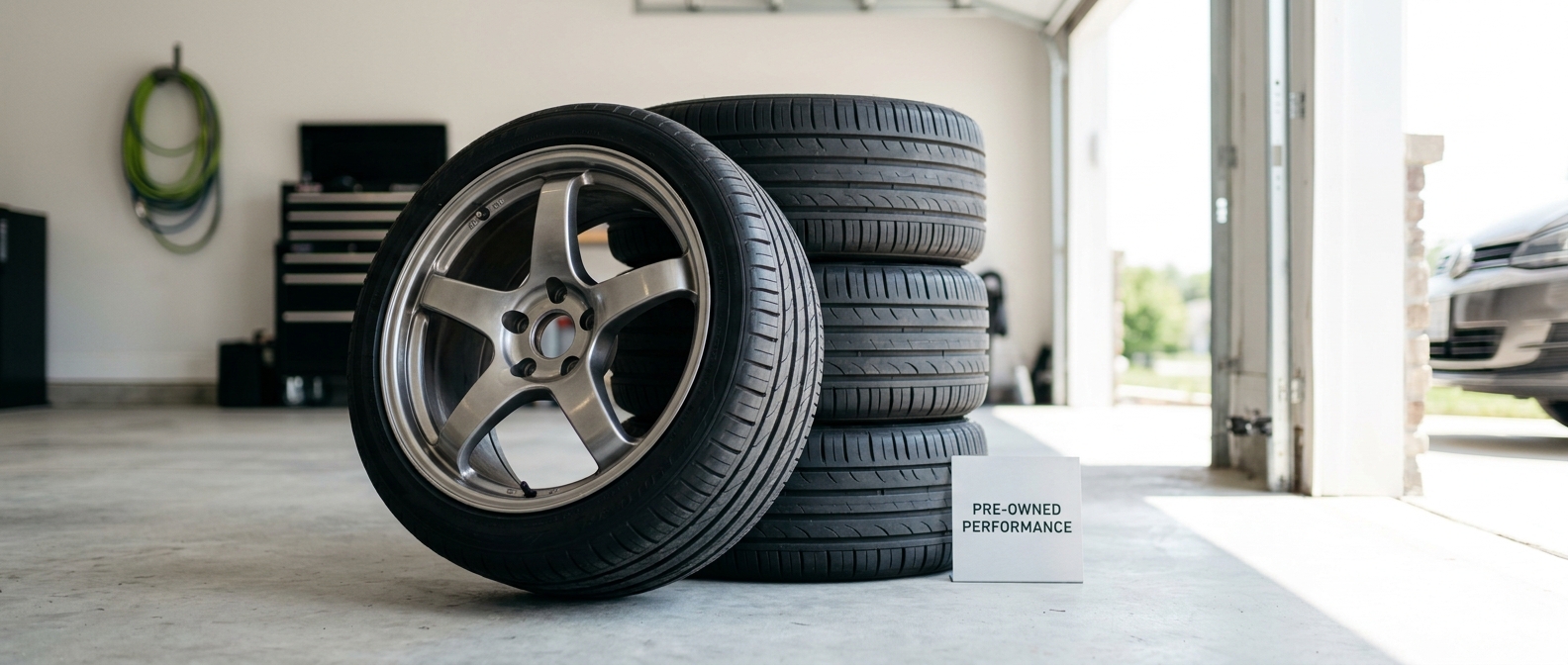
Why Second Hand Complete Rims Are Worth Considering
Wheels depreciate fast. The moment a set of rims leaves a dealership or retailer, its resale value drops dramatically - often by 40% to 60%. That's your opportunity. Instead of spending your full budget on cheap new cast wheels, you can use the same money to pick up high-quality, lightweight forged sets from respected brands on the used market. You get more wheel for less money - and if you buy smart, you can sell them later for nearly what you paid.
Buying complete (rim + tire together) adds even more value. You skip the mounting and balancing fees, and in many cases, the tires still have plenty of life left in them.
Step 1 - Inspect the Rims Before Anything Else
Never buy dirty wheels. Dirt, grease, and grime are notorious for hiding cracks, bends, and repairs. Ask sellers to clean the wheels before you inspect them, and always bring a flashlight. Here's what to look for:
- Cracks or welded repairs: Check the inner barrel closely. Hairline cracks or thick weld marks are instant deal-breakers - a cracked rim is a safety hazard, period.
- Bends: Roll each wheel on a flat surface and watch the lip. Any wobble means the wheel is bent and will cause vibration while driving.
- Curb rash: Light scrapes on the outer lip are cosmetic and fixable. Deep gouges that remove metal are a structural concern.
- Lug nut holes: Oval-shaped or chewed-up lug holes signal the previous owner drove with loose lug nuts - avoid these wheels entirely.
Step 2 - Check the Tires on Complete Sets
If you're buying complete wheels (rims with tires mounted), the tires are half the equation. A beautiful rim fitted with expired or damaged rubber is still a bad deal.
- DOT date code: Every tire has a 4-digit DOT code stamped on the sidewall. The first two digits are the week of manufacture, the last two are the year. In 2026, don't buy tires made before 2020 - rubber degrades over time regardless of tread depth.
- Tread depth & wear pattern: Uneven wear (bald inside, fresh outside) is a red flag that the previous vehicle had serious alignment or suspension issues.
- Sidewall bulges: A bubble on the sidewall means the internal cords are broken. That tire is a blowout waiting to happen.
- Plugs or patches on sidewalls: A center-tread patch is generally acceptable. Any sidewall repair is not - that tire needs replacing.
Step 3 - Know Your Fitment Numbers
This is where many buyers go wrong. Even a perfect set of rims is useless if they don't fit your car. Before you browse any marketplace, have these numbers ready:
- Bolt pattern (PCD): e.g., 5x114.3. This must match your vehicle exactly.
- Center bore: The hole in the middle of the wheel must match or exceed your hub size. If it's slightly larger, hub-centric rings solve the problem cheaply.
- Offset (ET) & width: Too much positive offset and your tire rubs the strut. Too much negative offset and your wheels poke past the fenders. Check your vehicle's recommended range before buying.
Step 4 - Watch Out for Replicas and Fakes
The used wheel market is flooded with replica wheels mimicking premium brands like BBS, Volk Racing, or Vossen. These "reps" are typically made from heavy, brittle cast aluminum and can fail under stress. Look for authentic manufacturer engravings on the spokes or inner barrel - not just stickers or painted logos. If a deal on "brand name forged wheels" looks too good to be true at a suspiciously low price, it almost certainly is.
Step 5 - Don't Forget TPMS Sensors
Most complete used wheel sets come with Tire Pressure Monitoring System (TPMS) sensors already installed inside the tire. However, not all TPMS sensors are compatible with every vehicle. Older vehicles may use different radio frequencies than newer models. Budget for a tire shop visit to reprogram or swap sensors if needed - this is a small cost that's often overlooked until after the purchase.
Where to Find the Best Deals
The best second hand complete rim deals are found in a variety of places: Facebook Marketplace, local car enthusiast forums, dedicated wheel buy/sell groups, and classified ad platforms. Prices and availability vary significantly by region, vehicle type, and wheel brand. Timing matters too - deals spike after seasonal tire changeovers, when drivers swap between summer and winter sets and offload their off-season wheels.
The Right Deal Is Out There - But Location Matters
While the tips above give you a solid foundation, the best deals on second hand rims complete depend heavily on your area, your vehicle's exact specs, and what's currently available near you. Prices, inventory, and even popular wheel brands vary dramatically from city to city. To find the most relevant options - whether you're looking for a specific bolt pattern, tire size, or wheel style - it pays to search with your location and vehicle details in mind. Looking into local listings and comparing across multiple sources is the most reliable way to surface a deal that truly fits your car and your budget.
The used wheel market rewards patient, informed buyers. Take your time, do your checks, and the perfect set of second hand rims complete could be just a search away.