
Discover the Hidden Benefits of Korean Spas
If you've been searching for a wellness experience that goes beyond the typical spa day, Korean spas might be exactly what you need. These unique sanctuaries have been quietly transforming how people approach relaxation, health, and self-care. Unlike traditional Western spas, Korean spas-or jjimjilbangs-offer an immersive cultural experience that combines ancient traditions with modern wellness practices. From therapeutic heat rooms to communal bathing rituals, these spaces provide benefits that extend far beyond simple pampering.
What Makes Korean Spas Different from Traditional Spas?
Korean spas operate on an entirely different philosophy than conventional day spas. While most Western spas focus on individual treatments like massages or facials, Korean spas emphasize holistic wellness through communal experiences. When you enter a jjimjilbang, you're not just booking a single service-you're gaining access to an entire wellness complex that you can enjoy for hours.
The experience typically includes gender-segregated bathing areas with pools of varying temperatures, communal relaxation spaces with specialized sauna rooms, and often even restaurants and sleeping areas. This all-inclusive approach means you can spend an entire day cycling through different therapeutic environments, each designed to target specific health benefits. Many people find this creates a more comprehensive wellness experience than rushing through isolated treatments.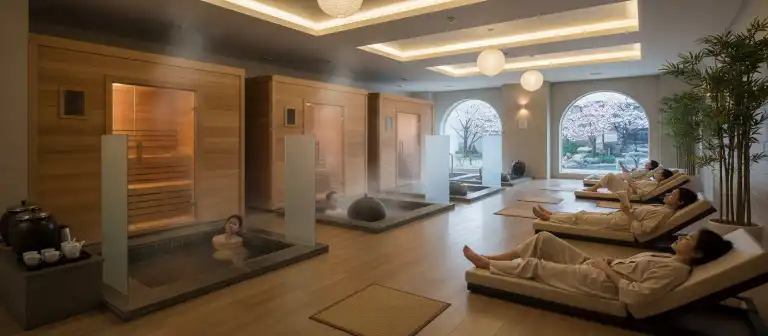
The Science Behind the Heat Therapy Rooms
One of the most distinctive features of Korean spas is the variety of specialized heat rooms, each constructed with different materials that offer unique therapeutic properties. These aren't your standard saunas-they're carefully designed environments that have been used for centuries in Korean wellness practices.
Common heat rooms you'll encounter include:
- Clay and jade rooms: These spaces use far-infrared heat to penetrate deep into muscles, promoting circulation and toxin release
- Salt rooms: Himalayan salt walls create a micro-climate that may benefit respiratory health and skin conditions
- Ice rooms: Extreme cold exposure helps reduce inflammation and boost metabolism
- Charcoal rooms: Designed to purify the air while you relax in moderate heat
The practice of alternating between extreme temperatures-known as contrast therapy-has been shown in studies to improve cardiovascular function, reduce muscle soreness, and enhance recovery after physical exertion. Regular visitors often report improved sleep quality and reduced stress levels.
The Transformative Power of Body Scrubs
Perhaps the most famous (and sometimes intimidating) Korean spa treatment is the body scrub, known as "seshin" or "Italy towel scrub." Performed by skilled attendants, this vigorous exfoliation treatment removes dead skin cells using a special textured mitt after you've soaked in hot water to soften your skin.
First-timers are often shocked by how much dead skin comes off-it's not uncommon to see gray rolls of shed skin during the process. While the scrubbing can feel intense, most people describe the afterwards feeling as being "reborn" with incredibly soft, glowing skin. The treatment improves circulation, unclogs pores, and leaves your skin better able to absorb moisture. Many dermatologists acknowledge that regular exfoliation can improve skin texture and help with conditions like keratosis pilaris.
Community and Mental Wellness Benefits
In our increasingly isolated digital world, Korean spas offer something surprisingly valuable: a communal wellness experience. While the bathing areas are separated by gender for modesty, the shared relaxation spaces allow friends and family to reconnect in a peaceful environment free from screens and distractions.
There's something deeply therapeutic about sharing quiet space with others who are all focused on rest and rejuvenation. Regular Korean spa visitors often describe feeling a sense of community and belonging that's difficult to find elsewhere. This social wellness component addresses the loneliness epidemic many people face, providing a third space that's neither work nor home where genuine relaxation and human connection can occur.
An Affordable Luxury for Everyone
Unlike high-end Western spas where a single treatment can cost hundreds of dollars, Korean spas operate on a remarkably accessible model. Most charge a flat entrance fee-typically between $20-$40-that grants you all-day access to the facilities. This means you can enjoy multiple heat rooms, various temperature pools, and relaxation areas for the same price as a movie ticket and popcorn.
Additional services like body scrubs, massages, and facials are available for extra fees, but even these tend to be more affordable than comparable treatments at traditional spas. This accessibility has made Korean spas popular across diverse demographics, from college students seeking affordable self-care to professionals looking for a wellness retreat without the luxury spa price tag.
Real Results from Regular Visitors
Long-time Korean spa enthusiasts report benefits that go beyond a single relaxing afternoon. People dealing with chronic pain conditions often find that regular heat therapy sessions provide relief comparable to medication but without side effects. Those struggling with skin issues like eczema or acne have noticed improvements after incorporating regular scrubs and mineral baths into their routines.
Athletes and fitness enthusiasts use Korean spas as recovery tools, finding that the combination of heat therapy and cold plunges reduces soreness and speeds muscle recovery. Others simply appreciate having a consistent self-care practice that's both affordable and genuinely effective for stress management. The cumulative benefits of making Korean spa visits a regular habit often surprise those who initially viewed it as just an occasional treat.
What to Expect on Your First Visit
If you've never been to a Korean spa, knowing what to expect can ease first-time jitters. Upon arrival, you'll typically receive a uniform (usually shorts and a t-shirt for communal areas) and a locker key. The gender-separated bathing areas require nudity, which is standard in Korean wellness culture and quickly feels natural in the environment.
Most regulars recommend this sequence: start with a warm shower, soak in hot pools to open your pores, visit various heat rooms while staying hydrated, cool down in cold pools, and then relax in communal areas. There's no rush and no wrong way to enjoy the space-many people bring books, chat with friends, or simply rest between heat sessions. The goal is to listen to your body and move through the experiences at your own pace.
Finding the Right Korean Spa Experience
Korean spas have been growing in popularity across North America, with facilities now available in most major cities and many suburban areas. While they share common features, each spa has its own character-some are modern and sleek, others maintain a more traditional aesthetic. Some focus heavily on the wellness aspects while others incorporate more entertainment features like movie rooms or karaoke.
The best way to find your ideal Korean spa experience is to explore what's available in your area. Read reviews focusing on cleanliness, staff friendliness, and which amenities matter most to you. Many spas offer discounted rates during off-peak hours, making it even more affordable to try different locations until you find your favorite. Whether you're seeking pain relief, better skin, stress reduction, or simply a unique wellness experience, there's likely a Korean spa nearby that can deliver exactly what you need.