
Electric Cars in 2026: What Every Driver Needs to Know
The electric vehicle revolution is accelerating faster than most people realize. As we look toward 2026, the landscape of electric cars is transforming in ways that will impact every driver on the road. Whether you're considering making the switch or simply want to stay informed about the future of transportation, understanding these developments is crucial. The decisions you make today about your next vehicle could save you thousands of dollars and position you ahead of a major automotive shift.
Why Traditional Car Buying Strategies Are Becoming Obsolete
For decades, car buyers followed the same playbook: negotiate on price, consider fuel efficiency as a minor factor, and expect similar options year after year. This approach is rapidly becoming outdated. Electric vehicle technology is advancing so quickly that models from just two years ago are already significantly behind current offerings. Battery ranges that seemed impressive in 2023 are now considered baseline, and charging speeds have nearly doubled. More importantly, the total cost of ownership calculation has flipped entirely. What appears as a higher sticker price often translates to substantial savings over the vehicle's lifetime when you factor in fuel costs, maintenance, and increasingly, government incentives that are evolving specifically for 2026 models.
The 2026 Battery Breakthrough That Changes Everything
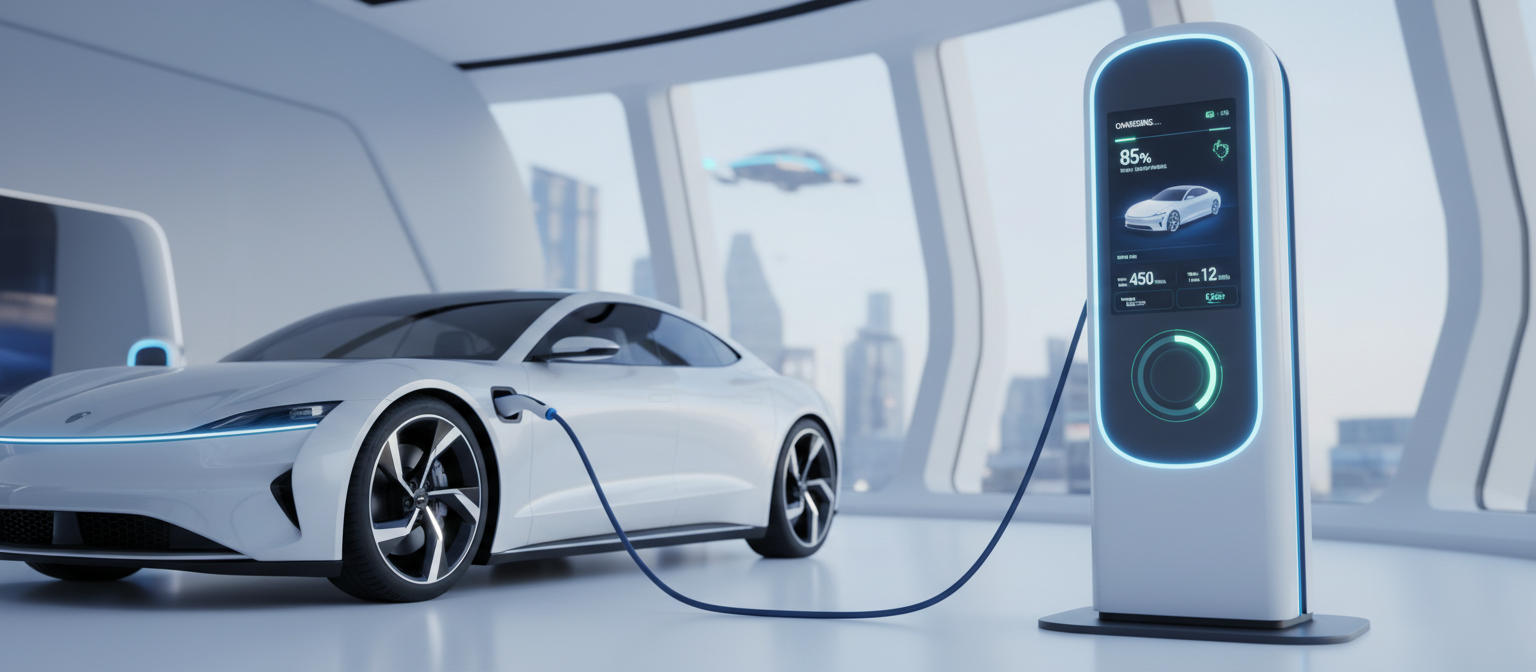
The most significant development coming in 2026 revolves around next-generation battery technology. Major manufacturers are rolling out solid-state and advanced lithium-ion batteries that deliver ranges exceeding 400 miles on a single charge-comparable to traditional gas vehicles. These aren't prototypes or concepts; they're production-ready systems already being integrated into assembly lines. Charging times are dropping dramatically too, with some systems capable of adding 200 miles of range in under 15 minutes. This addresses the two biggest concerns that have kept mainstream buyers from committing to electric: range anxiety and charging convenience. For drivers who have been waiting for electric cars to match the practicality of gas vehicles, 2026 represents that tipping point.
The Hidden Cost Advantages No One Talks About
Beyond the obvious fuel savings, electric vehicles offer financial benefits that don't appear in standard comparison charts. Electric motors have roughly 20 moving parts compared to thousands in internal combustion engines. This translates to minimal maintenance-no oil changes, transmission repairs, or exhaust system replacements. Insurance companies are beginning to recognize this reliability, with some offering reduced premiums for electric vehicles. Additionally, many regions are expanding incentives for 2026, including tax credits up to $7,500 federally, plus state and local rebates that can add thousands more. Some utility companies now offer special electricity rates for overnight EV charging, reducing your "fuel" cost to the equivalent of under $1 per gallon. When you calculate the five-year cost of ownership, many electric models actually cost less than their gas counterparts, despite higher initial prices.
Infrastructure Reality Check: The Charging Network Expansion
One of the biggest transformations happening right now is the explosive growth of charging infrastructure. By 2026, the United States is projected to have over 150,000 public fast-charging stations-more than double the number available today. Major retailers like Walmart, Target, and grocery chains are installing charging stations in parking lots, transforming routine shopping trips into charging opportunities. Highway corridors that once had sparse coverage are now seeing stations every 50 miles. For home charging, new building codes in many areas require EV-ready electrical systems in new construction and renovations. The infrastructure that seemed like a barrier just a few years ago is rapidly becoming a network that rivals gas station convenience. For urban drivers without home charging, workplace and public options are expanding to fill the gap.
What Real Drivers Are Experiencing
Sarah Martinez, a sales manager from Colorado, made the switch to electric in early 2024 and hasn't looked back. "I was skeptical about winter performance and mountain driving, but my EV handles both better than my old SUV. My monthly car costs dropped by $300 when I eliminated gas and maintenance." Stories like Sarah's are becoming common. Recent surveys show that over 90% of electric vehicle owners say they would not return to gas-powered cars. The primary reasons cited aren't environmental-they're practical: lower costs, better performance, and surprising convenience once drivers adjust their habits. First-time EV owners consistently report that their concerns about charging and range were overblown, and most charging happens at home overnight, which proves more convenient than gas station stops.
The 2026 Model Year Game-Changers
Several developments specific to 2026 models deserve attention. Bidirectional charging is becoming standard, allowing your car to power your home during outages or sell electricity back to the grid during peak demand. Advanced driver assistance systems are being integrated more seamlessly in electric platforms. The variety of body styles is expanding beyond sedans and SUVs to include electric trucks with serious towing capacity and affordable compact models priced under $30,000. Legacy automakers are finally releasing competitive electric models with the build quality and dealer networks that traditional buyers trust. This means more choices, better competition, and improved value across all price points.
Making an Informed Decision
The electric vehicle market in 2026 represents a unique moment-the technology has matured beyond early-adopter compromises, but the financial incentives remain strong as governments push adoption targets. For drivers considering their next vehicle purchase, the calculation is no longer about embracing unproven technology or making environmental sacrifices. It's about recognizing a fundamental shift in what makes practical and economic sense. The key is understanding your specific driving patterns, available charging options, and the total cost picture beyond sticker price. With ranges exceeding most daily needs, charging networks expanding rapidly, and ownership costs often lower than gas vehicles, the barriers that once made electric cars impractical for average drivers are disappearing.
Looking Ahead
The automotive industry is at an inflection point, and 2026 is shaping up to be a landmark year for electric vehicles. As technology continues improving and infrastructure expands, the advantages of electric driving become more compelling for mainstream buyers. Whether you're planning to purchase soon or simply staying informed about where the market is headed, understanding these developments helps you make better decisions about your transportation future. The shift to electric isn't just coming-for many drivers, it's already here, and 2026 will accelerate that transition in ways that benefit early movers.