
What Eye Doctors Are Doing for Macular Degeneration Today
What Eye Doctors Are Doing for Macular Degeneration Today
You notice it first with small things. Words on a page start to blur. Faces across the room lose their edges. A friend mentions macular degeneration, and suddenly you're paying closer attention to every flicker in your vision. For millions of people over 50, this isn't a hypothetical worry. It's a daily reality that changes how they read, drive, and recognize the people they love. But here's what many don't realize: the way eye doctors approach this condition has shifted significantly, and the old "nothing can be done" narrative no longer holds up.
A Condition That Used to Feel Hopeless
For decades, a macular degeneration diagnosis felt like a one-way street. Patients were often told to monitor their vision and wait. There wasn't much middle ground between early detection and significant vision loss. That left many people feeling like they had no real options, just a slow decline to prepare for.
That sense of helplessness is exactly what makes this condition so frightening. It doesn't just affect eyesight. It affects independence, confidence, and the simple ability to go about daily life without asking for help.
Why the Old Approach Fell Short
Traditional management of macular degeneration focused almost entirely on slowing progression rather than improving outcomes. Doctors would recommend lifestyle changes, nutritional supplements, and regular monitoring. Useful, but limited.
The problem was timing. Many patients weren't diagnosed until noticeable vision loss had already occurred. By then, treatment options were narrower and results were harder to predict.
What's Different in Eye Care Today
Modern ophthalmology has moved toward earlier intervention and more targeted approaches. Several shifts stand out:
- Earlier and more frequent screening for at-risk patients, especially those with a family history
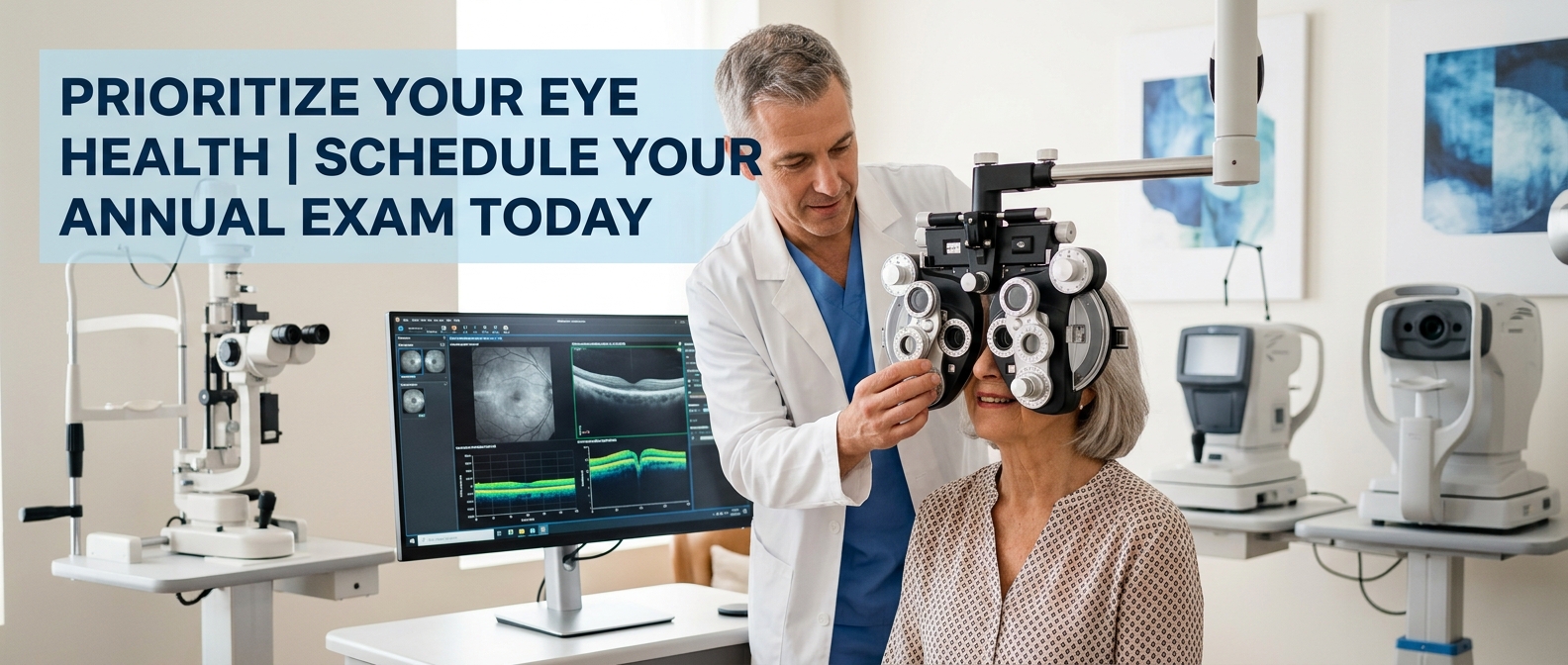
- Advanced imaging technology that detects changes in the retina before symptoms become severe
- Treatment plans that are increasingly personalized based on the specific type and stage of the condition
- Greater emphasis on combining medical treatment with lifestyle and nutritional support
This shift doesn't mean a cure exists. It means doctors now have more tools to slow the condition and, in some cases, help preserve vision longer than was once thought possible.
The Role of Early Detection
Eye doctors consistently emphasize one point: early detection changes everything. Routine eye exams can catch warning signs long before a patient notices any change in their vision.
This is especially true for people over 60, those with a family history of macular degeneration, smokers, and individuals with high blood pressure or cardiovascular conditions. These risk factors don't guarantee the condition will develop, but they do make regular screening more important.
Why Location and Specialist Access Matter
Not all eye care practices offer the same level of specialization. Retina specialists, in particular, often have access to more advanced diagnostic tools and treatment approaches than general optometrists.
This is where things get personal. The right specialist for one patient may not be the right fit for another, depending on the stage of their condition, their insurance coverage, and what's available in their area. A treatment plan that works well in a major metropolitan hospital may look different from what's offered in a smaller regional clinic.
Listening to Patient Experiences
Many patients describe the same turning point: the moment they switched from a general eye doctor to a specialist who had deeper experience with macular degeneration specifically. That shift often led to a more detailed explanation of their condition, a clearer sense of what to expect, and a treatment plan that felt tailored rather than generic.
These experiences highlight something important. The quality and specificity of care can vary widely, and patients often benefit from understanding what's available beyond their first appointment.
Why Your Specific Situation Matters Most
While these general trends in eye care are encouraging, the truth is that macular degeneration treatment isn't one-size-fits-all. What works for a patient with early-stage dry macular degeneration will look very different from what's recommended for someone with advanced wet macular degeneration.
Your age, overall health, the stage of your condition, and where you live all shape which specialists and approaches are realistically available to you. This is exactly the kind of information that benefits from a closer, more specific look.
If you or someone you know is navigating a recent diagnosis, it's worth exploring the current treatment options for macular degeneration, how they vary by stage and specialist, and what questions to bring to your next eye appointment. The right information at this stage can make a meaningful difference in how the condition is managed moving forward.
Moving Forward With Better Information
Eye care has changed, and so has the conversation around macular degeneration. The outdated idea that nothing can be done has given way to a more nuanced, hopeful understanding of what's possible with early detection and specialized care.
Understanding your options is the first step toward making informed decisions about your eye health. The more you know about what's available, the better equipped you'll be to have a productive conversation with your eye doctor.