
FEMA Home Insurance: What Every Homeowner Should Know
FEMA Home Insurance: What Every Homeowner Should Know
A single storm can undo decades of savings in a matter of hours. That's the reality millions of homeowners face every year, and it's why FEMA-backed insurance programs exist in the first place. But here's the catch: most people don't understand how these programs actually work until they're standing in a flooded living room, insurance paperwork in hand, realizing their coverage doesn't cover what they assumed it did.
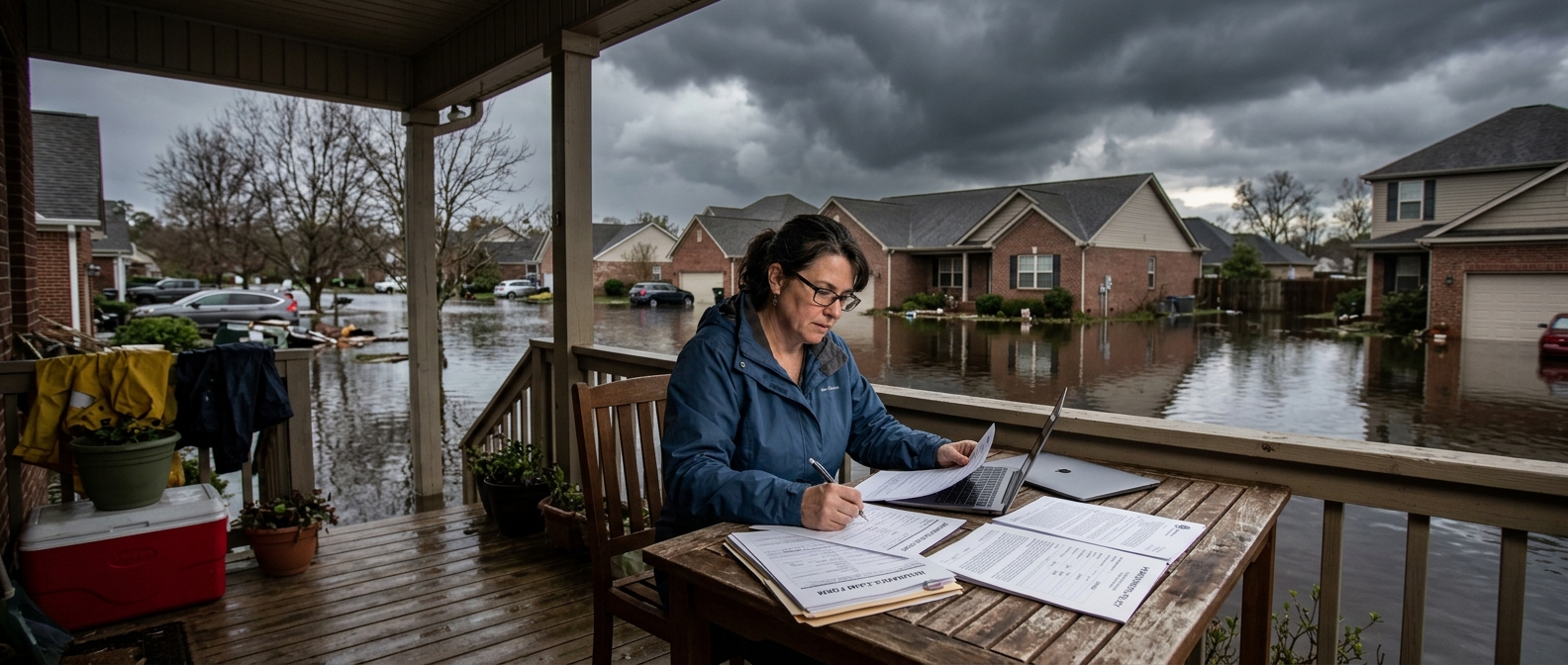
The Problem With Assuming You're Covered
Many homeowners believe their standard homeowner's policy protects them against floods, hurricanes, or federally declared disasters. It usually doesn't. Flood damage, in particular, is almost always excluded from standard policies.
This is where the National Flood Insurance Program (NFIP), managed by FEMA, steps in. It was designed to fill a critical gap left by private insurers who considered flood risk too unpredictable to price fairly.
Yet confusion persists. A 2023 review by the Federal Emergency Management Agency found that a large share of flood victims had no idea their homes were even in a mapped flood zone until after damage occurred.
Why Old Assumptions About Risk No Longer Hold
Flood maps used to be a reliable guide. Not anymore. Changing weather patterns, urban development, and shifting waterways mean areas once considered "low risk" are now seeing regular flooding.
This shift matters because:
- Flood zones are reassessed periodically, and premiums can change accordingly.
- Homes outside "high-risk" zones still file a significant portion of flood claims each year.
- Local building codes and elevation certificates can directly affect your premium cost.
In other words, your neighborhood's risk profile in 2026 may look nothing like it did a decade ago.
How FEMA-Backed Coverage Actually Works
FEMA doesn't sell insurance directly to homeowners. Instead, the NFIP works through partnerships with private insurance companies, who issue and service the policies on FEMA's behalf.
Coverage typically splits into two categories:
- Building property: covers the structure itself, including electrical systems, plumbing, and built-in appliances.
- Personal contents: covers belongings like furniture, electronics, and clothing, often requiring separate coverage limits.
There's also a waiting period, usually 30 days, before a new policy takes effect. That means buying coverage the week a storm is forecast is rarely an option.
What Homeowners Consistently Get Wrong
Even people who do carry flood insurance often misunderstand its limits. Common mistakes include:
- Assuming basement finishes and furniture are automatically covered (they frequently aren't).
- Underestimating rebuilding costs, leading to being underinsured.
- Not realizing coverage limits are capped regardless of a home's actual value.
- Believing disaster relief grants will replace the need for insurance entirely.
That last point is especially important. Federal disaster assistance is not a substitute for insurance. Grants are often limited, and many disaster declarations only offer low-interest loans rather than direct payouts.
Real Situations That Reveal the Gaps
Consider a homeowner in a moderate-risk zone who skipped flood coverage because their mortgage lender didn't require it. When a nearby levee failed, their home flooded despite being outside the "high-risk" boundary. Without flood-specific coverage, standard insurance denied the claim entirely.
Stories like this are common enough that FEMA now emphasizes that anyone can experience flood damage, not just those in officially designated zones. This is part of why the program continues to expand its outreach and adjust its pricing models nationally.
Where Location and Specifics Start to Matter
General knowledge about FEMA insurance only goes so far. The real answers homeowners need depend heavily on their specific address, local flood zone designation, home elevation, and even the age of nearby infrastructure like levees or drainage systems.
Two homes on the same street can have different premiums, different coverage requirements, and different eligibility for federal backing, depending on factors like foundation type or flood history. This is exactly the kind of detail that a generic guide can't answer, but a search focused on your specific city, zip code, or property type can start to clarify.
Homeowners looking into coverage options often find that comparing current NFIP premium estimates, private flood insurance alternatives, and local risk assessments side by side gives a far clearer picture than relying on national averages alone.
Steps Worth Taking Before You Need It
A few practical actions can make a meaningful difference:
- Check your home's current flood zone status, since maps are updated periodically.
- Ask about elevation certificates, which can lower premiums in some cases.
- Compare NFIP policies with private flood insurance options, as pricing can vary significantly.
- Review contents coverage separately from structural coverage.
None of these steps take long, but skipping them is often what leaves homeowners exposed when it matters most.
Final Thoughts
FEMA-backed insurance exists because disasters don't wait for convenient timing. Understanding the basics is a solid start, but the details that actually protect your home, your zone, your premium, your coverage limits, are personal to your property.
For homeowners who want clarity beyond general advice, digging into location-specific flood insurance information is a reasonable next step toward making an informed decision.