
First Signs Of Liver Cancer You Should Never Ignore
Liver cancer remains one of the most serious health challenges worldwide, yet many people overlook its early warning signs until the disease progresses to advanced stages. Understanding the first signs of liver cancer can make a critical difference in outcomes, as early detection significantly improves treatment success rates. While liver cancer symptoms may seem subtle at first, recognizing these warning signals and knowing when to seek medical attention could save your life.
 Why Early Detection Matters More Than Ever
The liver is a remarkably resilient organ that continues functioning even when partially damaged, which is why liver cancer symptoms often go unnoticed in early stages. By the time obvious symptoms appear, the disease may have already progressed considerably. Medical research consistently shows that patients who identify liver cancer in its initial phases have substantially better treatment outcomes and survival rates compared to those diagnosed at later stages.
Common Early Warning Signs You Shouldn't Ignore
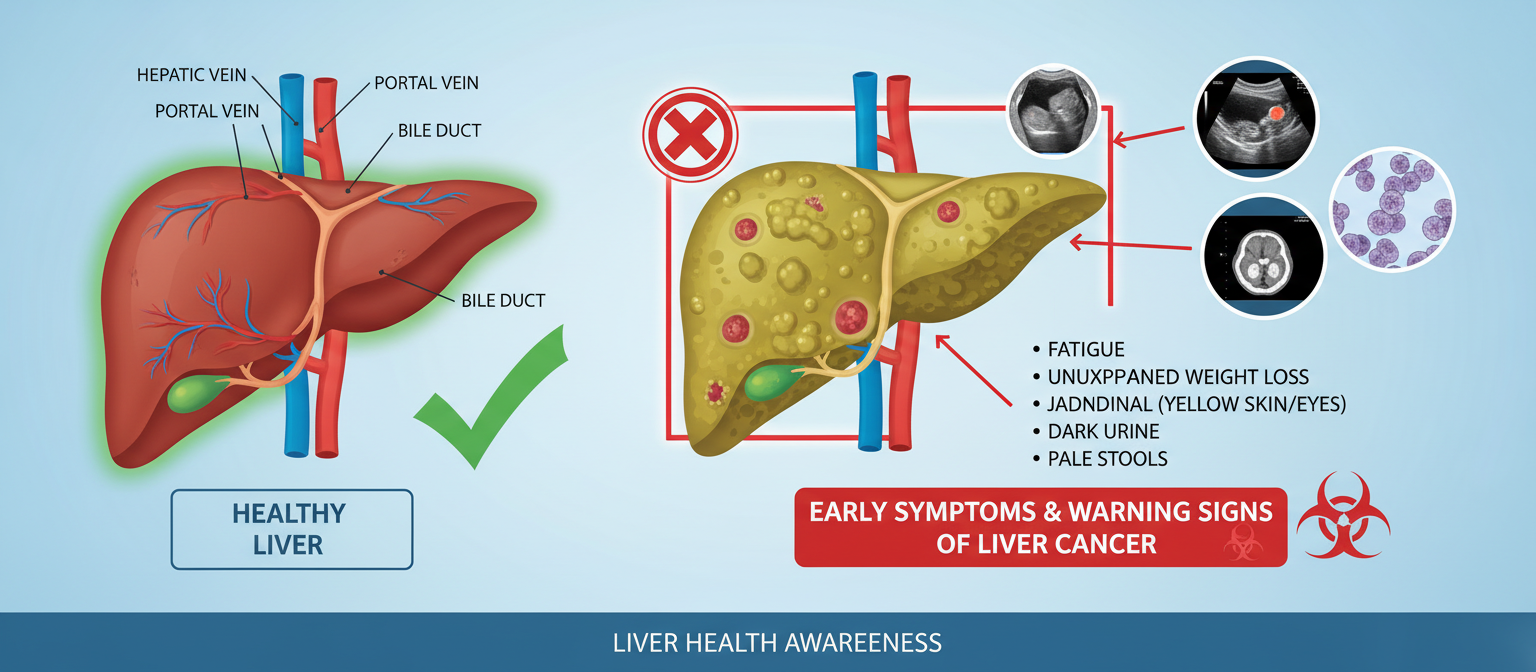
Recognizing the first signs of liver cancer requires paying attention to your body's subtle changes. Here are the most important symptoms to watch for:
- Unexplained weight loss: Losing weight without changes to diet or exercise habits can signal liver problems
- Loss of appetite: Feeling full quickly or having no desire to eat, even favorite foods
- Upper abdominal pain: Discomfort or pain in the right side of your abdomen, just below the ribs
- Persistent fatigue: Overwhelming tiredness that doesn't improve with rest
- Abdominal swelling: Noticeable bloating or fluid accumulation in the belly area
- Yellowing of skin and eyes: Known as jaundice, this indicates liver function problems
- Nausea and vomiting: Ongoing digestive issues without apparent cause
Understanding Your Risk Factors
While liver cancer symptoms can affect anyone, certain individuals face higher risk levels. Chronic hepatitis B or C infections represent the most significant risk factors globally. People with cirrhosis, whether from alcohol abuse or other causes, also have elevated liver cancer risk. Additionally, non-alcoholic fatty liver disease, diabetes, and obesity have emerged as increasingly common risk factors in recent years.
Family history of liver disease, exposure to aflatoxins (toxins from moldy foods), and certain inherited metabolic conditions can also increase vulnerability. If you have any of these risk factors, being vigilant about potential liver cancer symptoms becomes even more crucial.
How Medical Professionals Diagnose Liver Cancer
When you report potential liver cancer symptoms to your doctor, they'll conduct a comprehensive evaluation. This typically begins with a physical examination and detailed medical history review. Your physician will check for liver enlargement, abdominal fluid accumulation, and other physical signs.
Blood tests play an important role in assessment, measuring liver function markers and checking for alpha-fetoprotein (AFP), a protein that can be elevated in liver cancer cases. Imaging studies such as ultrasounds, CT scans, or MRIs provide detailed pictures of your liver, helping identify suspicious masses or abnormalities.
If imaging reveals concerning findings, a liver biopsy may be recommended. This procedure involves removing a small tissue sample for laboratory analysis, providing definitive diagnosis information and helping determine the specific cancer type.
Medical Treatment Options Available Today
Modern medicine offers multiple approaches to treating liver cancer, with the specific plan depending on cancer stage, liver function, and overall health status. Surgical removal remains the gold standard when the tumor is detected early and confined to one liver area. In some cases, liver transplantation may be considered for eligible patients.
For those who aren't surgical candidates, minimally invasive procedures provide alternatives. Ablation therapy uses heat or cold to destroy cancer cells. Embolization procedures block blood supply to tumors, causing them to shrink. Targeted drug therapies have revolutionized treatment by attacking specific cancer cell characteristics while minimizing damage to healthy tissue.
Immunotherapy represents an exciting frontier in liver cancer treatment, helping your immune system recognize and fight cancer cells more effectively. Radiation therapy, including advanced techniques like stereotactic body radiotherapy, can precisely target tumors while sparing surrounding healthy liver tissue.
Why Traditional Screening Methods Often Fall Short
Many people assume routine check-ups will catch liver problems early, but standard blood work doesn't always detect liver cancer in its initial stages. Liver function tests may appear normal even when small tumors are present. This is why people at elevated risk need specialized screening protocols, typically involving regular ultrasounds and AFP blood tests every six months.
Taking Action When You Notice Symptoms
If you're experiencing any combination of liver cancer symptoms, don't wait to see if they resolve on their own. Schedule an appointment with your healthcare provider promptly. Be prepared to discuss when symptoms started, their severity, and any relevant medical history including hepatitis infections, alcohol use, or family history of liver disease.
Remember that experiencing one or more of these symptoms doesn't automatically mean you have liver cancer. Many conditions can cause similar signs. However, only proper medical evaluation can determine the underlying cause and ensure you receive appropriate treatment if needed.
Prevention and Lifestyle Considerations
While not all liver cancer cases can be prevented, certain steps reduce your risk significantly. Getting vaccinated against hepatitis B provides strong protection. Practicing safe behaviors to avoid hepatitis C infection matters greatly. Limiting alcohol consumption, maintaining a healthy weight, and managing conditions like diabetes help keep your liver healthier overall.
Regular medical care allows monitoring of chronic liver conditions before they progress to cancer. If you have cirrhosis or chronic hepatitis, following your doctor's recommended surveillance schedule gives you the best chance of catching any problems early.
Learn More About Your Health Options
Understanding the first signs of liver cancer and knowing what medical treatment options exist empowers you to take control of your health. While liver cancer represents a serious diagnosis, advances in medical treatment continue improving outcomes, especially when the disease is detected early. If you're concerned about liver cancer symptoms or want to learn more about screening and prevention strategies, consulting with a healthcare professional provides personalized guidance based on your individual risk factors and health status. Your liver health deserves attention-don't ignore warning signs that could lead to earlier intervention and better outcomes.