
Florida Section 8 Housing Voucher: Your 2026 Application Guide
Rent in Florida has climbed faster than most paychecks can keep up with. For thousands of families, a single unexpected bill is the difference between staying housed and falling behind. That's why so many are turning to the Section 8 Housing Choice Voucher program for relief. But the application process isn't as simple as filling out one form and waiting for a check. It's local, competitive, and full of details that trip people up. Here's what you actually need to know before you apply.
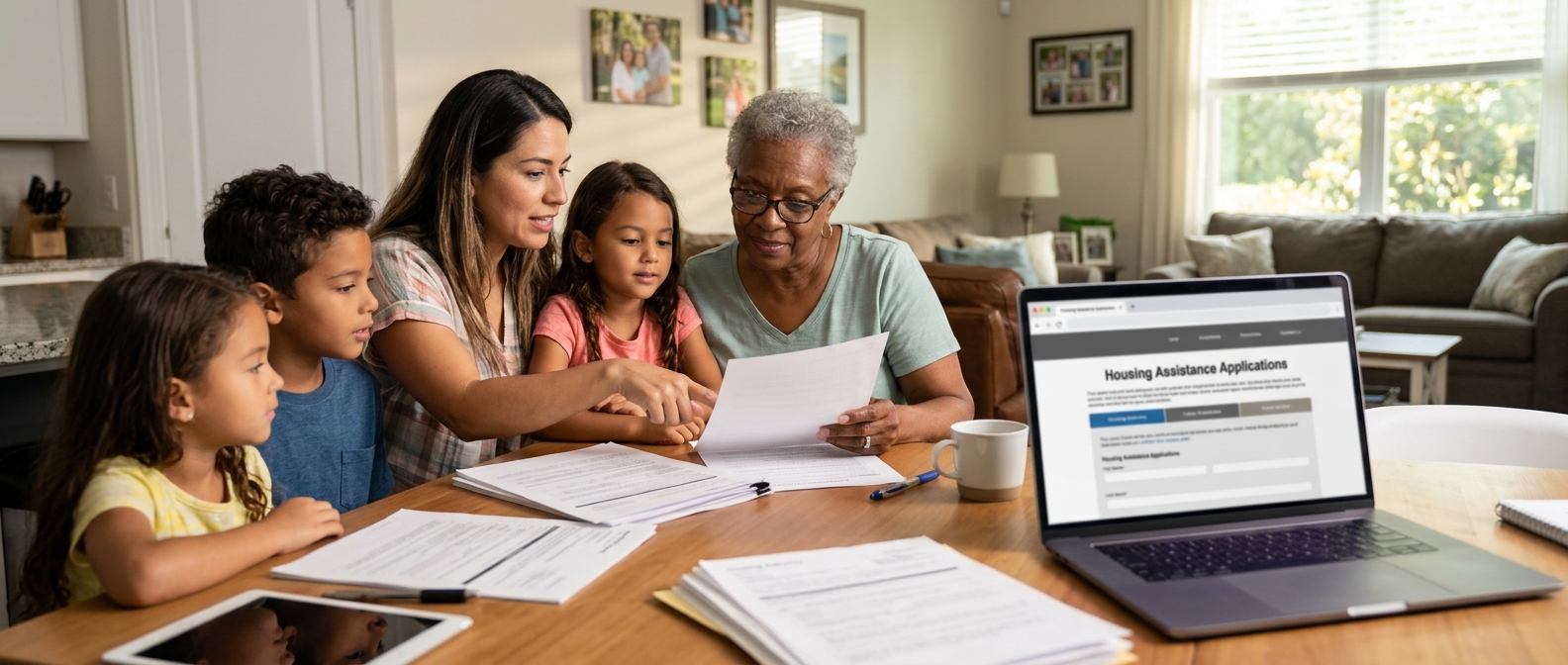
Why "Just Apply" Isn't Good Enough Advice
A lot of people assume Section 8 works like a single national program with one application. It doesn't. The voucher program is funded by the U.S. Department of Housing and Urban Development, but it's run locally by individual Public Housing Authorities, or PHAs. Florida has dozens of these agencies, each covering a different city or county.
That means your neighbor in Miami-Dade and your cousin in Duval County are dealing with completely different waitlists, income limits, and application windows. Treating Section 8 like a one-size-fits-all program is one of the biggest reasons applicants get frustrated or miss their chance entirely.
The Real Reason Waitlists Feel Impossible
Florida's housing shortage isn't a secret. Demand for affordable rentals far outpaces supply, and PHAs can only issue vouchers as funding and availability allow. Because of this, most local waitlists only open during specific windows, sometimes for just a few weeks a year, before closing again for months or even years.
If you miss an opening in your county, you could be waiting a long time for the next one. This is why timing matters just as much as eligibility.
What It Actually Takes to Qualify
Every PHA sets its own local rules, but they all follow the same basic federal framework:
- Household income generally must fall under 50% of the Area Median Income for that specific county
- A large share of vouchers are reserved for extremely low-income households
- Applicants must be U.S. citizens or have eligible immigration status
- Every adult in the household typically undergoes a background check
- Family size determines how many bedrooms your voucher will cover
Because income limits are tied to local median income, what qualifies as "low income" in one county might look completely different in another. A household that doesn't qualify in a pricier metro area could easily qualify in a neighboring county.
How the Application Process Actually Works
Once you find an open waitlist, the process generally follows these steps:
- Locate an open enrollment window through your local PHA's website or announcements
- Complete an online application, since most Florida housing authorities no longer accept paper forms
- Provide full details for every household member, including names, dates of birth, Social Security numbers, and income
- Save your confirmation number so you can track your status later
Skipping any of these steps, or submitting incomplete information, is one of the fastest ways to get bumped from consideration.
The Preference System Most Applicants Don't Know About
Here's something that surprises a lot of first-time applicants: not everyone waits the same length of time. Local preferences can move certain households higher up the list. Common examples include:
- Already living or working in the county where you're applying
- Being a veteran or the spouse of a veteran
- Being elderly or having a documented disability
- Experiencing homelessness or displacement, including from natural disasters
If you fall into one or more of these categories, it's worth confirming whether your local PHA applies these preferences, since it can significantly shorten your wait.
A Smarter Way to Approach Multiple Counties
Because each PHA runs its own list, applicants are allowed to apply to multiple counties at once. Many people don't realize this. If you're open to relocating, applying to several open waitlists across different parts of Florida can meaningfully improve your odds compared to waiting on just one.
The Search Intent Pivot
General guidance only goes so far here. The real answers, which counties have open waitlists right now, what the income limits are for your specific area, and which preferences apply where you live, depend entirely on your location and household situation. Waitlist openings shift throughout the year, and a county that's closed today might open next month.
Because of this, the most useful next step isn't reading more general overviews. It's looking into the current status for your specific county, since that information changes far more often than most articles can keep up with.
Where to Go From Here
The Section 8 process in Florida rewards people who stay informed and act quickly when a window opens. Understanding the basics is a solid start, but the details that actually matter, local eligibility, current openings, and preference rules, vary by where you live. Taking the time to look into your specific area's current housing authority information can make the difference between a long wait and a much faster path to assistance.