
Discover the Future of Toilets: Smarter, Cleaner by 2030
Picture walking into your bathroom and having the toilet already know it's you. It adjusts the seat temperature, greets you with a soft light, and quietly logs a health check before you've even had your coffee. This isn't a scene from a sci-fi movie. It's the direction the humble toilet is heading, and it's closer than most people think.
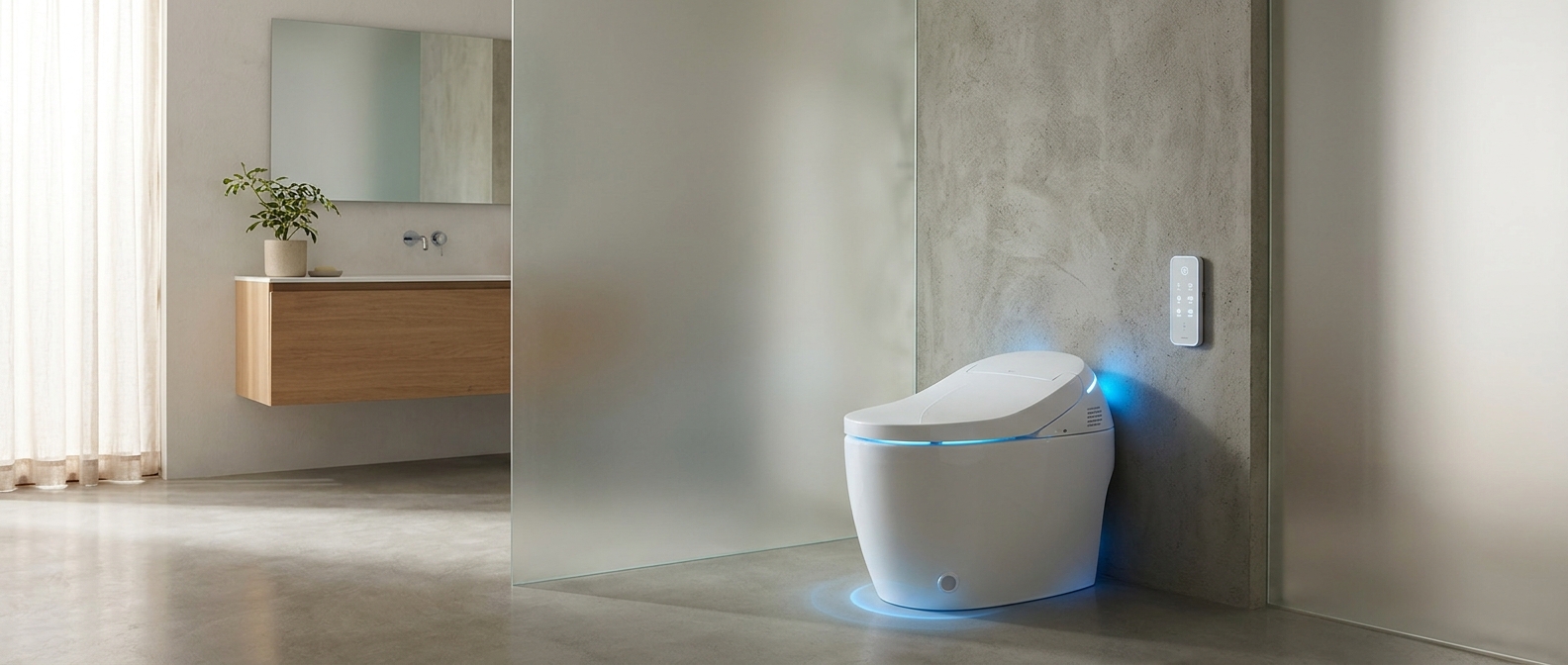
From Porcelain Fixture to Health Hub
For over a century, the toilet barely changed. Flush, wipe, done. But that era is ending fast.
Engineers and designers are now treating the toilet as a piece of connected technology, not just plumbing. The shift is being driven by three forces: rising demand for hygiene, tightening water regulations, and a growing appetite for at-home health monitoring.
The result is a fixture that does far more than dispose of waste. It's becoming a quiet, daily checkpoint for your body.
Why the Old Toilet Design Falls Short
Traditional toilets were built around a single job: flushing efficiently. That worked fine for decades, but it leaves a lot on the table.
- They waste gallons of water on every flush, regardless of need.
- They require manual scrubbing and chemical cleaners to stay sanitary.
- They offer zero insight into your health, even though waste can reveal early warning signs of illness.
- They rely heavily on toilet paper, which carries its own water and resource footprint.
These gaps are exactly what next-generation designs are trying to close.
Health Monitoring Built Into the Bowl
One of the biggest shifts researchers are exploring is passive health tracking. Instead of a separate device, the toilet itself becomes the sensor.
Some prototypes use cameras and sensors to analyze waste for hydration levels and early biomarkers. Others are testing seats that can track heart rate or other vital signs during regular use, all without any extra effort from the user.
The idea is simple: catch potential problems early, without a clinic visit, just by using the bathroom like you normally would.
Smarter Bidets and Hands-Free Hygiene
Bidets are also getting a major upgrade. Rather than a single spray setting, newer designs personalize water temperature, pressure, and angle automatically.
Warm-air drying is improving too, aiming to reduce dependence on toilet paper altogether. Combine that with motion-based, hands-free operation for lids and flushing, and you get a bathroom experience built around touchless hygiene.
Self-Cleaning Is the New Standard
Nobody enjoys scrubbing a toilet bowl. Newer designs are aiming to make that chore disappear entirely.
- UV light sterilization that runs automatically after use.
- Specially treated water sprayed into the bowl to naturally break down grime.
- Odor filtration systems that pull air through the bowl instead of just masking smells.
These features aim to keep the bowl sanitary between cleanings, cutting down on both effort and chemical use.
Water Conservation Takes Center Stage
With water restrictions tightening in many regions, flushing efficiency matters more than ever. Newer systems are designed to adjust the amount of water used based on what's actually needed, rather than using a fixed amount every time.
Reduced reliance on toilet paper, thanks to bidet and dryer combinations, also lowers the resource demand tied to paper production. Small changes like these add up significantly across millions of households.
What This Means for Everyday Homeowners
These upgrades won't stay confined to luxury show homes for long. As with most home technology, features that start in high-end models tend to trickle down to standard renovations within a few years.
That means questions homeowners are already starting to ask:
- What does it cost to upgrade to a smart or self-cleaning toilet?
- Which models actually reduce water bills, and by how much?
- Are there rebates or incentives for water-efficient bathroom upgrades?
- How do installation requirements differ from a standard toilet?
The Search Intent Pivot: Finding What Fits Your Home
General trends are useful, but they only go so far. The right choice depends heavily on your bathroom's plumbing, your local water costs, and what's actually available near you right now.
Some regions have utility rebates for low-flow fixtures. Others have installers who specialize in smart bidet retrofits versus full toilet replacements. Pricing also varies widely depending on features like heated seats, air drying, or health-tracking sensors.
If any of this sounds relevant to your own bathroom plans, it's worth looking into current smart toilet models, installation costs in your area, and which brands are leading in self-cleaning or water-saving technology. That's where the real, actionable answers live.
A Quiet Revolution, One Flush at a Time
The bathroom is rarely the star of home design conversations, but it's clearly due for a transformation. Smarter, cleaner, and more sustainable toilets are no longer a distant concept. They're already being tested, refined, and slowly introduced into everyday homes.
Curious how these changes might apply to your own space? Exploring current models, features, and local options is a good next step toward understanding what's genuinely available today.