
Get Insights on Food MBA Programs: A Complete Guide
Turn Your Taste for Food Into a Six-Figure Career
What if your love of food could become your most powerful professional asset? For a growing number of business professionals, a Food Marketing MBA is doing exactly that - transforming a passion for flavors, products, and consumer behavior into high-stakes roles at some of the world's biggest food brands. Whether you dream of shaping the next iconic snack or leading sensory research at a global CPG company, a specialized Food MBA could be your most strategic career move yet.
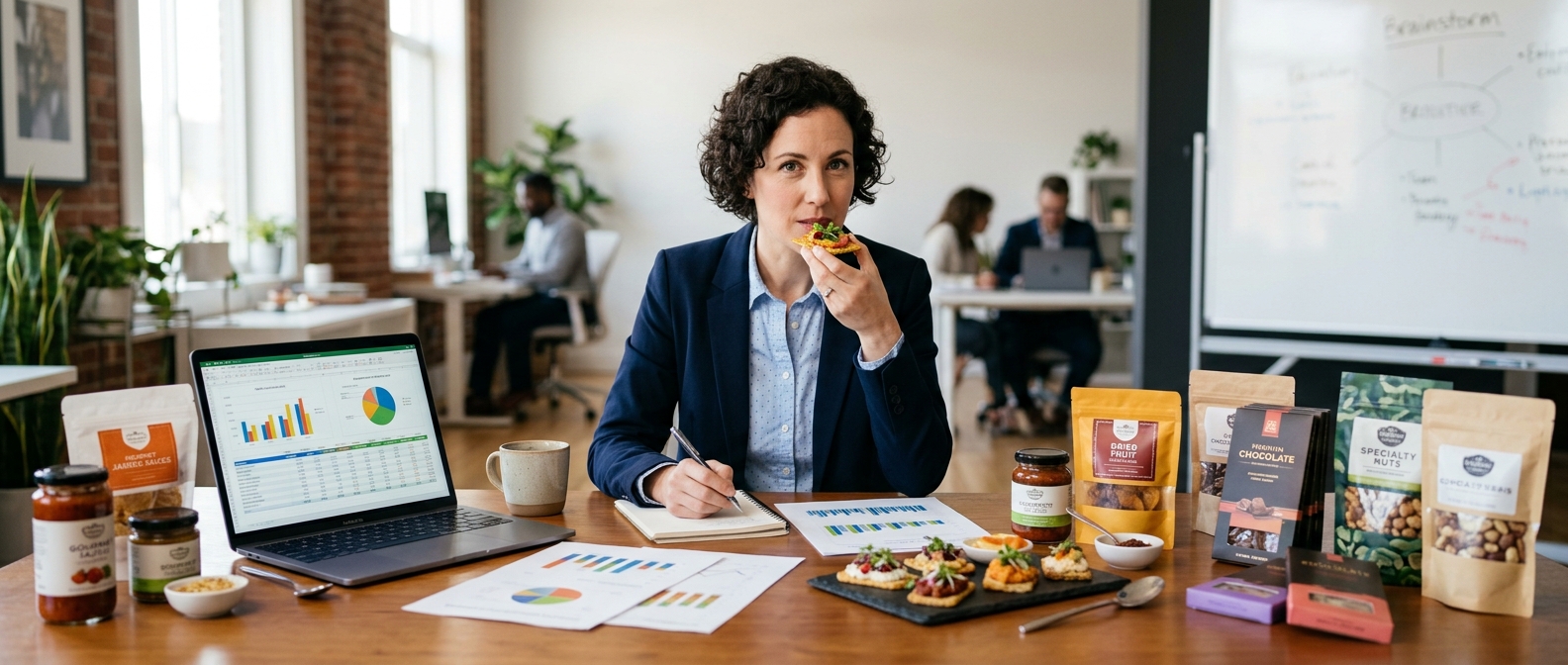
The "Food Tester" Role Has Evolved - Big Time
Forget the image of someone sitting at a table sampling chips all day. At the MBA level, food tasting is a sophisticated, data-driven discipline. Today's professionals in this space hold titles like Sensory Consumer Insights Manager, Director of Product Innovation, or Sensory Marketing Lead.
These roles sit at the intersection of R&D and Marketing - translating what consumers taste, smell, and feel into multi-million-dollar product decisions. It's part science, part storytelling, and entirely strategic.
Why a General MBA Isn't Always Enough
A standard MBA gives you a solid business foundation. But the food industry has its own language - sensory evaluation, flavor science, consumer panel methodology, and regulatory compliance. Employers at top food companies want candidates who already speak that language on day one.
That's why specialized Food Marketing MBA programs have become a significant competitive advantage. They combine core business strategy with food-specific consumer behavior, analytics, and product development coursework - giving graduates an edge that generalist MBAs simply can't match.
Top Programs Worth Exploring
If you're serious about this path, here are some of the most recognized programs in the food business space:
- Saint Joseph's University (Haub School of Business): Widely regarded as the gold standard for Food Marketing MBAs. Heavily recruited by major CPG brands, with a strong focus on consumer behavior and food analytics.
- Canisius University: Offers an MBA concentration in Food Marketing, covering strategic food delivery, regulatory considerations, and consumer well-being.
- Michigan State University: A top choice for blending food industry management with broader business strategy.
- Rutgers University (MBS Program): A hybrid degree blending food science - including sensory evaluation - with a full MBA curriculum. Ideal for those who want both the science and the strategy.
Key Skills These Programs Help You Build
Landing a senior role in food marketing or consumer insights requires more than a degree. Here are the core skills top programs focus on:
- Data-Driven Storytelling: You'll learn to take complex sensory panel data and translate it into clear, compelling narratives for business stakeholders.
- Sensory Research Methods: Blind taste tests, home-use tests, and scent evaluation - understanding how to design and interpret these is central to the work.
- Cross-Functional Leadership: You become the bridge between food scientists and executive teams. The ability to speak both languages is a career multiplier.
- Digital & AI Sensory Tools: Platforms like FlavorWiki and tools like Compusense and RedJade are now industry standard. Familiarity with these gives you an immediate edge.
Trends Reshaping the Food Marketing Landscape
The industry is moving fast. Here's what's driving demand for MBA-level food marketing talent right now:
- AI and Predictive Palates: Machine learning tools are being used to analyze taste test data and predict consumer preferences before a product is even finalized. Marketers who understand this process are in high demand.
- Remote Sensory Panels: Digital platforms have made it possible to run global taste-testing panels online - changing how research is conducted at scale.
- The Alt-Protein Boom: Plant-based and lab-grown foods are still a major growth area. Sensory marketing for these products - especially around texture and mouthfeel - is one of the most challenging and exciting briefs in the industry.
Who Is This Career Path Right For?
This isn't a niche path reserved for food scientists alone. It's a fit for a wide range of backgrounds:
- Business or marketing graduates who want to specialize in CPG or food brands
- Culinary professionals looking to move into strategy and brand management
- Food scientists who want to develop business acumen and move into leadership
- Consumer insights professionals wanting to niche down into the food vertical
The common thread? A genuine curiosity about why people choose the foods they love - and the analytical mindset to turn that curiosity into business impact.
What to Do Before You Apply
Before committing to a program, there are a few practical steps worth taking:
- Audit your background. If your degree is in business, consider taking a short course in sensory science or food studies. If you come from food science, focus your MBA research on marketing-heavy programs.
- Join the Institute of Food Technologists (IFT). Their Sensory and Consumer Sciences division is one of the best networking communities in the field.
- Look beyond the obvious employers. Yes, Nestlé, PepsiCo, and Kraft Heinz hire MBA food marketers - but so do flavor houses like Givaudan, sensory research firms, and fast-growing food-tech startups.
Finding the Right Program for Your Goals
Choosing the right Food MBA is a deeply personal decision. Factors like program format (full-time vs. executive), location, cost, alumni network, and industry connections all matter. What works for a recent graduate looks very different from what makes sense for a mid-career professional looking to pivot.
That's why it's worth going beyond rankings and exploring specific program offerings, admission requirements, tuition structures, and career placement outcomes before making a decision. The best program isn't necessarily the most prestigious - it's the one most aligned with your specific career goals in the food industry.
Exploring your options through focused research is the smartest first step you can take. Look into accredited Food Marketing MBA programs, compare curricula, and seek out alumni perspectives to get a real-world picture of where each degree can take you.
A career at the intersection of food and marketing is more accessible - and more lucrative - than most people realize. The right MBA program can open doors to roles that blend analytical rigor with genuine passion. Take the time to explore what's out there. The right opportunity might be closer than you think.