
Guide to Cosmetic Product Testing
Guide to Cosmetic Product Testing
Scrolling through your feed, you've probably seen it: someone unboxing a package full of skincare serums, lipsticks, or haircare kits they never paid for. It looks too good to be true, but cosmetic product testing is a real, established practice used by brands large and small. Companies need real people to try their products before they hit store shelves, and that means opportunities for everyday consumers to test items for free, often keeping the products afterward. This guide breaks down how it actually works, who qualifies, and what to watch for.
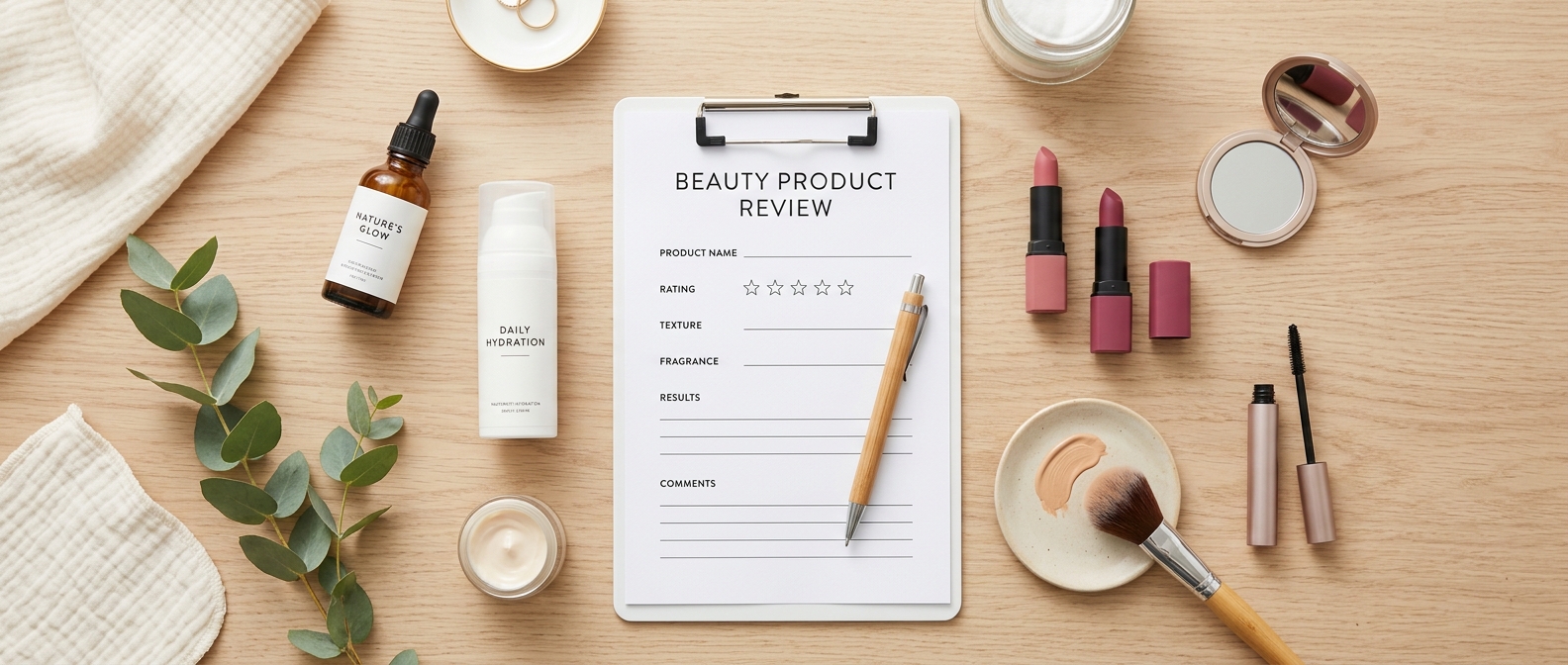
What Cosmetic Product Testing Really Means
Cosmetic product testing is exactly what it sounds like. Brands recruit ordinary people to use new or reformulated products at home, then report back on their experience. This isn't the same as clinical trials in a lab. It's consumer-level feedback that helps companies understand:
- How a product performs on different skin or hair types
- Whether packaging and application feel intuitive
- If the scent, texture, or results meet expectations
- Any irritation or allergic reactions before a wider launch
This feedback loop is a normal part of product development. It's cheaper and faster for a brand to gather real-world impressions than to guess how the public will react once a product launches nationally.
Why Traditional Shopping Doesn't Give You This Access
Most people only interact with cosmetics after they've already launched, sitting on a shelf with a fixed price tag and marketing copy designed to sell. By the time a product reaches that stage, the testing phase is long over.
Testing programs work differently. They target people before a product is finalized or right as it's entering a new market. That's why you won't find these opportunities through typical retail channels. They live in a separate ecosystem of research panels, brand recruitment portals, and testing platforms that most shoppers never encounter.
Who Typically Qualifies
Eligibility depends heavily on what a brand is testing. A company launching an anti-aging cream may want testers over 40. A haircare brand entering the curly-hair market may only recruit people with specific hair textures. Common qualifying factors include:
- Age range
- Skin type (oily, dry, combination, sensitive)
- Hair type or texture
- Specific skin concerns like acne, rosacea, or hyperpigmentation
- Geographic location
Because requirements shift from campaign to campaign, the same person might qualify for one testing round and not another. That's normal. Brands are simply trying to match testers to their target customer profile.
How Brands Find and Vet Testers
Most legitimate testing opportunities run through structured platforms rather than random social media giveaways. These platforms collect basic demographic and preference data, then match users to relevant campaigns as they open up.
Some larger cosmetic companies also run their own in-house panels, inviting past customers or newsletter subscribers to apply. Universities and dermatology research centers sometimes conduct testing too, particularly for products marketed with specific skin health claims.
Red Flags to Watch For
Not every "free testing" offer is legitimate. Since this space attracts attention, it also attracts scams. A few warning signs worth remembering:
- Requests for payment or shipping fees to "unlock" a testing kit
- Vague brand names with no verifiable website or contact information
- Pressure to act immediately or share sensitive financial details
- Offers that seem disconnected from any real product category
Genuine testing programs almost never ask for payment. Their entire business model relies on getting the product into your hands, not the other way around.
What Testers Are Usually Asked to Do
In exchange for a free product, testers are typically expected to:
- Use the item consistently for a set period, often two to four weeks
- Complete short surveys or feedback forms
- Sometimes submit photos showing results over time
- Occasionally participate in a follow-up interview or review
The time commitment is usually modest, and the process is designed to fit into a normal routine rather than disrupt it.
The Search Intent Pivot
While understanding how testing programs work is useful, the real value comes from finding programs that are currently active and accepting applicants in your area. Availability changes constantly, brands rotate campaigns, regional requirements shift, and new platforms launch every year. The most efficient next step is looking into current cosmetic testing programs open for signups, since timing and location often determine whether you'll actually qualify for a specific opportunity.
Setting Realistic Expectations
Not every application leads to a box on your doorstep. Brands often receive far more interest than available testing slots, so selection can feel competitive. Treating this as a helpful bonus rather than a guaranteed reward will keep expectations realistic while still letting you take advantage of legitimate opportunities when they arise.
Final Thoughts
Cosmetic product testing is a genuine part of how the beauty industry develops and refines its products. For consumers, it offers a low-risk way to try new items and provide feedback that actually shapes what ends up on store shelves. If you're curious about current opportunities, it's worth exploring active testing programs and platforms to see what's available right now in your area.