
Healthcare Workforce Update: What to Know About Nursing Courses in 2025
Healthcare systems across the United States are experiencing a sustained increase in demand for licensed nursing professionals. From Texas to California and Florida, hospitals, clinics, and long-term care facilities continue reporting staffing needs that exceed current workforce capacity. For individuals considering a career transition or exploring stable employment pathways, understanding the available nursing certification routes has become increasingly relevant.
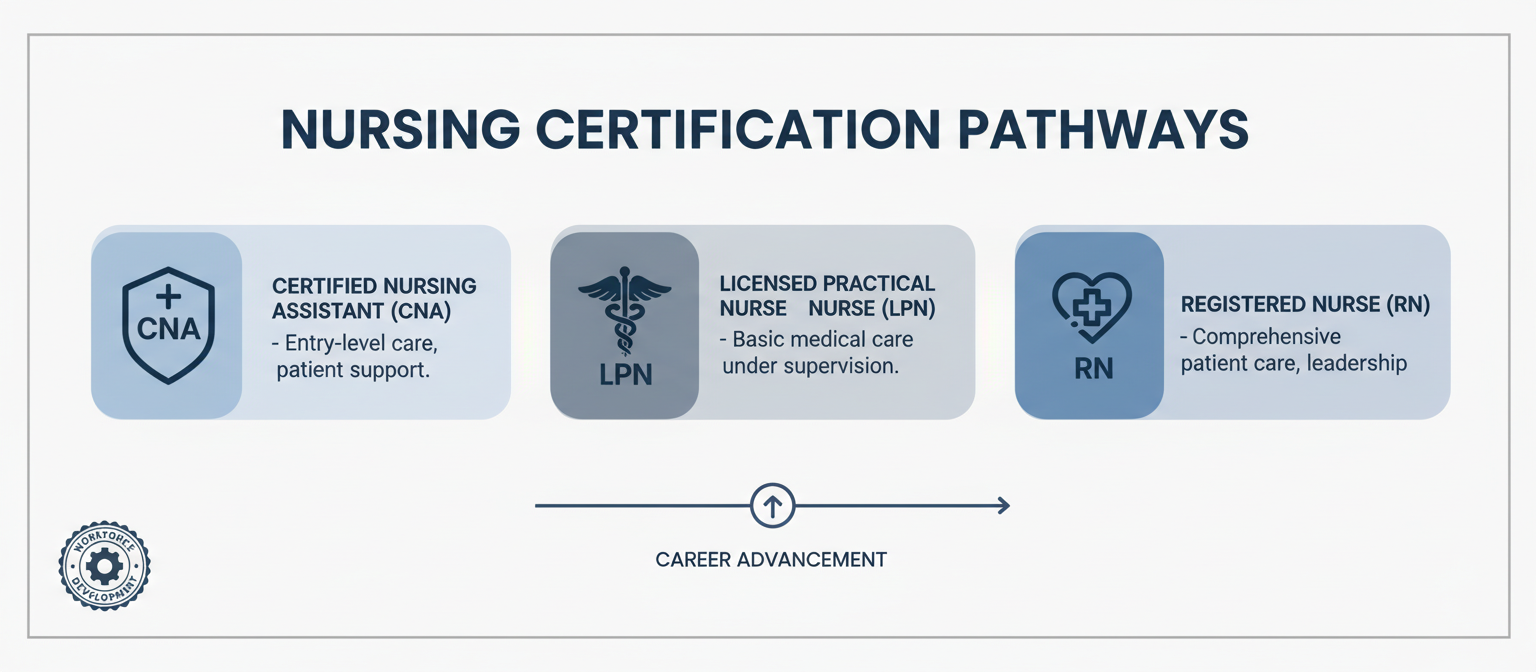 This article provides an overview of nursing education pathways-specifically Registered Nurse (RN), Licensed Practical Nurse (LPN), and Certified Nursing Assistant (CNA) programs-and what adults should know when evaluating these options in today's healthcare environment.
Why the Healthcare Sector Continues to Seek Qualified Nurses
The demand for nursing professionals isn't a temporary trend. Multiple factors contribute to ongoing workforce needs:
- Aging population: As the U.S. population ages, the need for medical care, chronic disease management, and elder care services expands.
- Healthcare infrastructure growth: New facilities and expanded services in high-growth states like Texas, California, and Florida create additional positions.
- Workforce turnover: Retirements, career changes, and burnout have increased the need for newly trained professionals entering the field.
- Public health preparedness: Recent years have underscored the importance of maintaining robust healthcare staffing levels to respond to community health needs.
Unlike industries subject to rapid automation or market volatility, healthcare roles-especially those requiring direct patient care-remain grounded in human interaction and clinical skill. This resilience makes nursing pathways particularly noteworthy for individuals seeking stable, long-term career options.
Understanding the Three Main Nursing Certification Levels
Nursing education is not a single track. There are distinct certification levels, each with different training requirements, scope of practice, and time commitments. Knowing the differences helps individuals make informed decisions based on their circumstances.
Certified Nursing Assistant (CNA)
CNAs provide essential patient care support under the supervision of licensed nurses. Training programs typically range from 4 to 12 weeks and cover basic patient care skills, vital signs monitoring, hygiene assistance, and communication techniques. This is often the fastest entry point into healthcare work and serves as a foundation for further nursing education.
Licensed Practical Nurse (LPN) / Licensed Vocational Nurse (LVN)
LPNs (or LVNs in California and Texas) complete state-approved programs that usually last 12 to 18 months. The curriculum includes anatomy, pharmacology, patient assessment, and supervised clinical practice. LPNs are authorized to administer medications, perform wound care, and monitor patient conditions in various healthcare settings.
Registered Nurse (RN)
RNs hold either an Associate Degree in Nursing (ADN) or a Bachelor of Science in Nursing (BSN). ADN programs typically take 2 years, while BSN programs take 4 years. RNs have broader responsibilities, including care planning, patient education, medication administration, and coordination with physicians and specialists. RN credentials open doors to specialized fields, leadership roles, and advanced practice opportunities.
What to Consider When Evaluating Nursing Programs
Not all nursing programs are structured the same way. Adults exploring this field should approach program selection with a clear understanding of key factors:
- Accreditation status: Programs must be approved by state nursing boards and recognized by accrediting bodies to ensure graduates are eligible for licensure exams.
- Scheduling flexibility: Some programs offer evening, weekend, or hybrid formats designed for working adults.
- Clinical placement access: Hands-on clinical training is required for all nursing certifications. Verify that programs have established partnerships with healthcare facilities.
- Licensure exam pass rates: State boards often publish data on program performance, including first-time pass rates for NCLEX-RN (for RNs) and NCLEX-PN (for LPNs).
- Financial aid and tuition transparency: Understand total costs, available financial aid options, and any additional fees for books, uniforms, or clinical requirements.
These considerations help ensure that individuals invest time and resources into programs that align with both their personal circumstances and professional goals.
Nursing Workforce Trends in High-Demand States
Certain U.S. states have emerged as focal points for nursing education and employment due to population growth, healthcare expansion, and policy support.
Texas
Cities like Houston, Dallas, and San Antonio are home to major medical centers and growing healthcare systems. The state's population growth continues to drive demand for nurses across all certification levels. Texas also recognizes LVNs (Licensed Vocational Nurses) and has a well-established network of vocational nursing programs.
California
California's diverse healthcare landscape includes urban hospitals, rural clinics, and specialized care facilities. The state has stringent educational and licensing standards, which can extend training timelines but also enhance workforce quality. California also refers to LPNs as LVNs.
Florida
With a large retiree population and expanding healthcare infrastructure, Florida consistently reports strong demand for nursing staff. The state offers a range of program options, from community college-based ADN programs to accelerated LPN tracks.
These regions represent not only current demand but also long-term workforce planning initiatives that prioritize healthcare education and recruitment.
Real-World Insights from Individuals Who Entered Nursing Later in Life
Many adults pursue nursing certifications as a second or third career. Their experiences highlight both the practical realities and the rewards of this transition.
One former retail manager in San Antonio completed an LVN program at age 38 and noted the structure and clarity of the training process: "I appreciated knowing exactly what was required and how long it would take. There were no surprises."
A CNA graduate in Houston, who had previously worked in hospitality, shared: "Starting as a CNA gave me a chance to see if healthcare was really for me before committing to a longer program. It was the right step for my situation."
A registered nurse in Los Angeles, who earned her ADN at 42, emphasized the importance of research: "I spent months comparing programs, talking to advisors, and understanding the licensure process. That groundwork made the actual training much smoother."
These accounts reflect a common theme: informed preparation and realistic expectations contribute significantly to successful outcomes.
Why Now Is a Relevant Time to Explore Nursing Education
For individuals weighing career options, nursing programs offer several practical advantages in the current environment:
- Clear credentialing pathways: Unlike some fields with ambiguous qualifications, nursing has standardized training and licensure requirements.
- Geographic mobility: Nursing licenses, once obtained, can often be transferred across states through interstate compacts, allowing for flexibility in where one works.
- Diverse work environments: Nurses work in hospitals, outpatient clinics, schools, corporate health offices, home health settings, and more.
- Opportunity for advancement: Entry-level certifications like CNA or LPN can serve as stepping stones toward RN credentials and specialized roles.
The combination of structured education, workforce demand, and career stability makes nursing a field worth serious consideration for adults seeking meaningful and resilient work.
Next Steps for Those Interested in Learning More
If you're considering a nursing certification pathway, the following steps can help guide your research:
- Identify which certification level aligns with your timeline, financial situation, and career goals.
- Search for state-approved programs in your area and review their accreditation status.
- Contact program admissions offices to ask about prerequisites, application deadlines, and clinical placement logistics.
- Explore financial aid options, including federal grants, state workforce programs, and employer tuition assistance.
- Connect with current students or recent graduates to gain firsthand insights into program experiences.
Taking the time to thoroughly research your options ensures that any decision you make is grounded in accurate information and realistic expectations. Whether you're exploring CNA training as a first step or considering an RN program as a career pivot, understanding the landscape is the foundation of a well-informed choice.
The nursing profession continues to play a critical role in healthcare delivery across the country. For those seeking clarity on how to enter this field, the pathways are well-defined, widely accessible, and increasingly relevant in today's workforce environment.