
The Hidden Reason Your Dry Skin Keeps Getting Worse
You moisturize religiously. You drink plenty of water. You avoid harsh chemicals. Yet somehow, your dry skin seems to be getting worse, not better. Here's what dermatologists rarely tell you upfront: the soap you're using every single day might be undoing all your skincare efforts. In fact, most conventional soaps are formulated with ingredients that strip away your skin's natural protective barrier, leaving it drier, tighter, and more irritated than before you stepped into the shower.
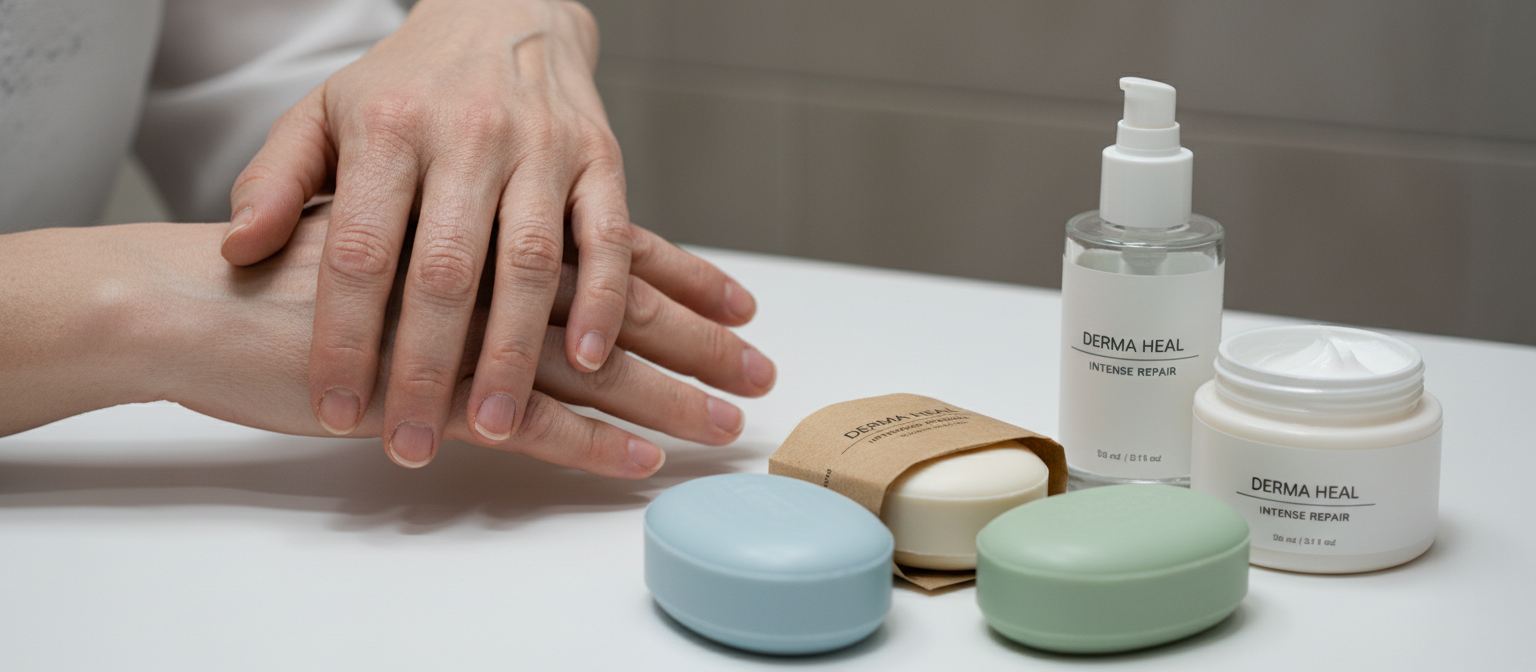 Why Regular Soap Is Your Dry Skin's Worst Enemy
Traditional bar soaps and many liquid cleansers have an alkaline pH level that directly conflicts with your skin's natural acidity. Your skin operates best at a pH of around 4.7 to 5.75, creating a protective "acid mantle" that locks in moisture and keeps irritants out. Most conventional soaps clock in at a pH of 9 to 10, which disrupts this delicate balance.
When you wash with these high-pH products, you're essentially dissolving the oils and lipids that keep your skin hydrated. The result? That uncomfortable tight feeling after washing, increased flaking, redness, and sometimes even cracking or itching. For people with naturally dry skin, eczema, or psoriasis, this daily assault can trigger flare-ups and perpetuate a frustrating cycle.
The Ingredients That Make All The Difference
Not all soaps are created equal, and understanding what separates skin-saving cleansers from moisture-stripping disasters can transform your skincare routine. Here's what actually matters:
- Glycerin: A humectant that draws moisture from the air directly into your skin, creating lasting hydration
- Ceramides: Lipid molecules that repair and reinforce your skin's protective barrier
- Hyaluronic Acid: Holds up to 1000 times its weight in water, providing intense hydration
- Natural Oils: Ingredients like shea butter, coconut oil, and jojoba oil that mimic your skin's natural sebum
- Colloidal Oatmeal: Clinically proven to soothe inflammation and lock in moisture
Equally important is knowing what to avoid. Sodium lauryl sulfate (SLS), synthetic fragrances, alcohol-based formulas, and antibacterial agents like triclosan can all exacerbate dryness and irritation.
What Dermatologists Actually Recommend
According to leading skincare experts, the best soaps for dry skin aren't technically "soaps" at all in the traditional sense. Dermatologists increasingly recommend syndets-synthetic detergent bars-or soap-free cleansers that are specifically formulated to match your skin's natural pH.
These products cleanse effectively without stripping away essential moisture. They're often fragrance-free, hypoallergenic, and contain added moisturizing ingredients that leave your skin feeling soft rather than squeaky clean. That "squeaky clean" feeling, by the way, is actually a warning sign that you've stripped too much oil from your skin.
The Cream vs. Bar vs. Liquid Debate
The format of your cleanser matters almost as much as its ingredients. Cream cleansers tend to be the most moisturizing option, as they're packed with emollients and often don't require water to rinse completely. They're ideal for extremely dry or sensitive skin types.
Moisturizing bar soaps have come a long way and can be excellent choices if they're formulated with the right ingredients. Look for those specifically labeled as "for dry skin" or "moisturizing." They're convenient, travel-friendly, and often more eco-friendly with less packaging.
Liquid soaps and body washes offer the middle ground. They're easy to use, can be enriched with beneficial ingredients, and allow for precise pH balancing. The key is choosing formulas that are creamy rather than foamy, as excessive lather usually indicates harsh surfactants.
How Your Environment Changes Everything
Here's something most articles won't tell you: the best soap for your dry skin depends significantly on where you live. Climate, water hardness, humidity levels, and even seasonal changes all impact how your skin responds to different cleansing products.
Hard water, common in many regions, contains high levels of minerals that interact with soap to form a residue on your skin. This film can worsen dryness and irritation. In these areas, soap-free cleansers or specially formulated hard water soaps become essential. Similarly, those living in cold, dry climates need richer, more emollient formulas than people in humid environments.
Real People, Real Results
Emma, a 34-year-old teacher from Manchester, struggled with dry, flaky skin for years. "I tried every moisturizer on the market," she shares, "but nothing worked until my dermatologist asked about my soap. Switching to a ceramide-enriched cleanser changed everything within two weeks."
James, 42, had a similar experience: "I always thought soap was just soap. Once I started using a glycerin-based bar specifically for dry skin, the itching stopped, and I could actually see the difference in the mirror."
Why Generic Recommendations Aren't Enough
While understanding the basics of dry skin soap selection is valuable, the truth is that skincare is highly personal. Your age, specific skin conditions, local water quality, budget, and even your daily routine all influence which products will work best for you.
What works beautifully for someone in London's soft water might be completely wrong for someone in Sydney dealing with hard water. A soap perfect for a 25-year-old with mildly dry skin won't address the needs of a 55-year-old experiencing age-related moisture loss.
Finding Your Perfect Match
The best approach is to look for products specifically formulated for your situation. Consider your local climate, whether you have additional skin concerns like eczema or sensitivity, and what your daily routine looks like. Professional recommendations tailored to your location can help you navigate the overwhelming number of options available.
Regional preferences also matter-certain ingredients are more readily available and cost-effective in different countries, and dermatological recommendations can vary by region based on common environmental factors and skin concerns.
Take The Next Step
Understanding the science behind dry skin and soap is just the beginning. The real transformation happens when you find products specifically suited to your individual needs, budget, and location. Whether you're dealing with winter-induced dryness, chronic skin conditions, or just want to finally achieve comfortable, healthy-looking skin, the right soap can make all the difference. Your skin's unique requirements deserve more than one-size-fits-all solutions-they deserve targeted care that addresses your specific circumstances.