
Is Your Home Protected? What Every Homeowner Must Know About Pest Control
That rustling sound in the walls. The tiny droppings behind the refrigerator. The wood near your doorframe that suddenly feels soft. If any of this sounds familiar, you're not alone - and you may be sitting on a much bigger problem than you realize. Pest infestations are one of the most common - and most underestimated - threats to a home. The good news? Once you understand what you're dealing with and what your options are, protecting your home becomes a whole lot more manageable.
Why Pests Are More Than Just a Nuisance
Most homeowners think of pests as a minor inconvenience - a spider here, an ant trail there. But the reality is far more serious. Rodents chew through electrical wiring, creating real fire hazards. Termites silently destroy structural wood for years before any visible damage appears. Cockroaches and mosquitoes carry bacteria and pathogens that pose genuine health risks to your family.
The longer an infestation goes unaddressed, the more costly and complex it becomes to resolve. Acting early - ideally before you even see a pest - is always the smarter, cheaper move.
The Most Common Home Invaders
Knowing your enemy is the first step. Here are the pests most likely to target your home:
- Ants: Carpenter ants and odorous house ants are notorious for invading kitchens and, in the case of carpenter ants, hollowing out wooden structures.
- Rodents (Mice & Rats): They squeeze through gaps as small as a dime, nest in walls and attics, and gnaw through wiring, insulation, and even plumbing.
- Termites: Often called "silent destroyers," termites cause billions in property damage annually. Suburban and rural homes with wood-frame construction are especially vulnerable.
- Cockroaches: Thriving in kitchens and bathrooms, roaches are linked to asthma and allergy triggers, especially in children.
- Ticks & Mosquitoes: With warmer seasons extending their activity window, these pests aren't just yard problems - they're health problems.
- Bed Bugs: Notoriously hard to eliminate, bed bugs travel easily and infest quickly, turning a minor problem into a major ordeal.
Why Old-School Methods Often Fall Short
Many homeowners reach for a can of spray from the hardware store at the first sign of trouble. While this might knock back visible pests temporarily, it rarely addresses the root problem.
Generic over-the-counter sprays treat symptoms, not causes. They don't seal entry points, eliminate nesting colonies, or prevent reinfestation. Worse, repeated use of the wrong products can cause certain pests - particularly cockroaches and bed bugs - to develop resistance, making them even harder to control later.
Effective pest control in 2026 is smarter and more targeted than it used to be.
Modern Pest Control Options for Homeowners
Today's homeowners have more options than ever. Here's a breakdown of the main approaches:
- Integrated Pest Management (IPM): The gold standard in modern pest control. IPM combines inspection, targeted treatments, and ongoing prevention strategies - minimizing chemical use while maximizing results. Many professional services now use this approach as their default.
- Eco-Friendly & Green Treatments: Plant-based repellents and biopesticides have become highly effective alternatives that are safer for children, pets, and the environment. Many suburban and rural homeowners are making the switch.
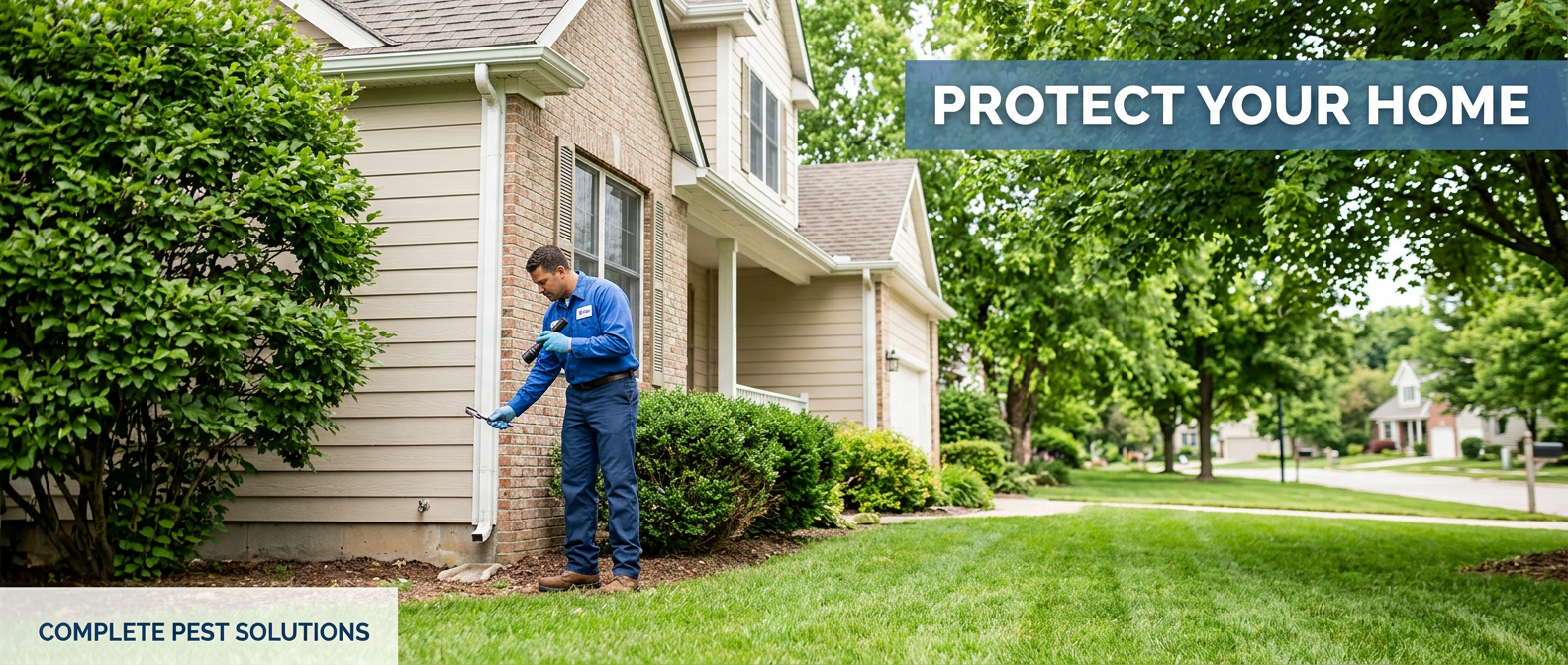
- Professional Extermination Services: For serious infestations - termites, bed bugs, rodents - licensed professionals bring tools, expertise, and treatments that simply aren't available over the counter. Most offer free inspections and customized treatment plans.
- DIY Subscription Kits: A growing option for proactive homeowners. These data-driven kits deliver professional-grade, eco-friendly treatments on a seasonal schedule, tailored to your local pest pressures.
- Smart Monitoring Technology: IoT-connected traps and sensors now alert homeowners via smartphone the moment rodent or insect activity is detected - allowing intervention before an infestation takes hold.
5 Prevention Steps That Actually Work
Prevention is always cheaper than treatment. These habits go a long way:
- Seal entry points: Caulk cracks in your foundation, gaps around windows and doors, and spaces where utility pipes enter. Rodents can fit through a hole the size of a quarter.
- Eliminate moisture: Fix leaky faucets, run a dehumidifier in your basement, and make sure gutters direct water away from your foundation. Moisture attracts termites, roaches, and silverfish.
- Store food properly: Keep pantry staples in airtight, hard-sided containers. Cardboard and thin plastic bags are no barrier for pantry moths or mice.
- Manage your yard: Keep shrubs, mulch, and tree branches at least 3 feet away from your home's exterior. Trim back overhanging limbs. Store firewood elevated and far from the house.
- Schedule regular inspections: Even if you see no signs of a problem, annual pest inspections can catch early-stage activity - especially for termites, which often go undetected until significant damage is done.
When It's Time to Call a Professional
Some situations call for expert help - no question about it. Don't hesitate to contact a licensed pest control professional if you:
- Suspect termites or any wood-destroying insects
- Find signs of a rodent infestation (droppings, gnaw marks, unusual sounds in walls)
- Are dealing with a recurring or worsening problem despite DIY efforts
- Discover bed bugs - these almost always require professional intervention
A licensed professional will conduct a thorough inspection, identify the specific pest and severity, and recommend a treatment plan that fits your home, location, and budget. Many companies also offer ongoing maintenance plans that provide year-round peace of mind.
The Cost of Doing Nothing
This is the part most homeowners don't want to think about. Ignoring a pest problem doesn't make it go away - it makes it grow. A small termite colony left untreated for a year or two can cause tens of thousands of dollars in structural damage. A rodent nest in your walls can chew through wiring and cause an electrical fire. A cockroach problem can spread rapidly and become nearly impossible to resolve without professional help.
The average cost of a professional pest inspection is modest. The cost of the damage that goes undetected is anything but.
Finding the Right Solution for Your Home
Every home is different. Your pest control strategy should reflect your home's construction, your local environment, and the specific pests common to your region. What works in a dry desert climate is very different from what's needed in a humid coastal suburb or a wooded rural area.
That's why the most effective first step is always research specific to your situation - looking into local pest control services, regional pest threats, treatment costs, and the reputations of providers in your area.
Whether you're dealing with an active problem right now or simply want to protect your home before one develops, the right information and the right professional can make all the difference. Taking action today is always better than reacting to a costly infestation tomorrow.