
Housing Grants for Disabled Veterans: Financial Support Available
Veterans who have served our country and returned with service-connected disabilities face unique challenges when it comes to housing. Whether it's adapting a home for wheelchair accessibility, installing safety features, or purchasing a specially designed property, the financial burden can be overwhelming. Fortunately, there are housing grant programs specifically created to help disabled veterans overcome these obstacles and achieve safe, comfortable living conditions.
Understanding Specially Adapted Housing Grants
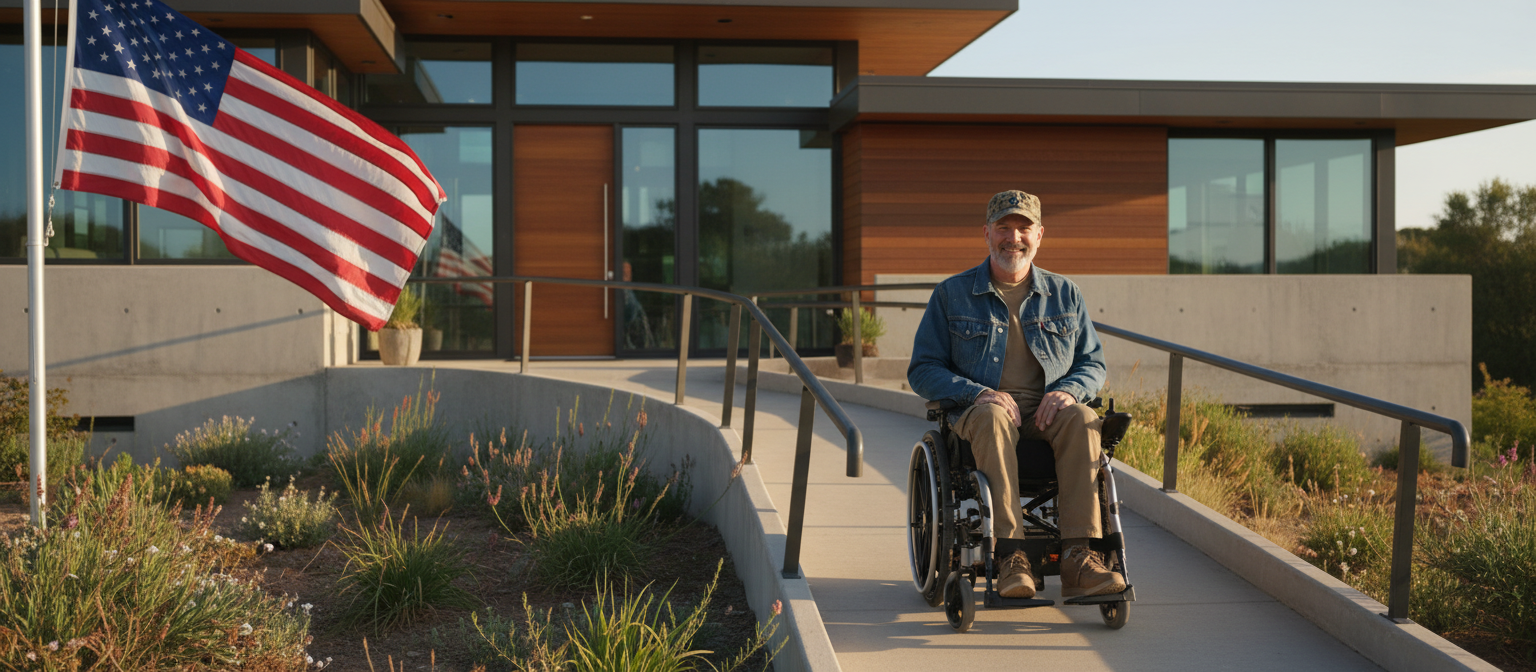
The Department of Veterans Affairs offers Specially Adapted Housing (SAH) grants for veterans with certain severe service-connected disabilities. This program provides financial assistance to help veterans build, remodel, or purchase an adapted home that accommodates their specific disability needs. Eligible veterans may receive up to $101,754 to make necessary modifications such as widening doorways, installing ramps, or creating accessible bathrooms. The grant recognizes that veterans who have lost the use of both legs, lost use of both arms, or suffered severe burns may require extensive home adaptations to live independently and with dignity.
Special Housing Adaptation Programs for Veterans
For veterans with different types of service-connected disabilities, the Special Housing Adaptation (SHA) grant offers another valuable option. This program provides up to $20,387 to help veterans adapt their homes for disabilities such as blindness in both eyes or the loss of use of one limb. These modifications might include installing special lighting systems, creating accessible entrances, or adapting kitchen and bathroom facilities. The SHA grant can be used multiple times up to the maximum amount, giving veterans flexibility as their needs change over time. Both homeowners and veterans living with family members may qualify for this essential support.
Temporary Residence Adaptation Support
Many disabled veterans live with family members or in temporary housing situations while they work toward permanent solutions. The TRA grant program addresses this reality by allowing eligible veterans to use SAH or SHA grant funds to modify a family member's home where they are temporarily residing. Veterans can receive up to $38,676 for SAH-level modifications or $6,951 for SHA-level adaptations. This flexibility ensures that veterans can access safe, accessible housing even when they don't own their own home, providing crucial support during transitional periods or when living arrangements are shared with family caregivers.
Home Improvements and Structural Alterations
Beyond major housing grants, the VA also offers a Home Improvements and Structural Alterations (HISA) program for veterans who need smaller-scale modifications. This benefit can provide up to $6,800 for veterans with service-connected disabilities or $2,000 for veterans with non-service-connected conditions who are enrolled in VA healthcare. HISA funds can cover improvements like grab bars, handrails, roll-in showers, and other essential adaptations that improve safety and accessibility. The application process is streamlined, and veterans can work with their VA healthcare providers to identify necessary modifications that will enhance their quality of life and independence.
Energy-Efficient Mortgage Programs
Disabled veterans looking to purchase or refinance homes may also benefit from VA energy-efficient mortgage programs. These specialized loans allow veterans to finance energy-efficient improvements that reduce utility costs-a significant consideration for veterans on fixed incomes. The program can be combined with other VA home loan benefits, enabling veterans to create homes that are not only accessible but also economically sustainable. Features like improved insulation, energy-efficient windows, and modern HVAC systems can dramatically reduce monthly expenses while creating more comfortable living environments for veterans with temperature sensitivity or respiratory conditions.
State and Local Grant Opportunities
Many states and local communities offer additional housing grant programs specifically for disabled veterans. These programs vary by location but often provide funds for home modifications, down payment assistance, or property tax relief. Some states offer grants that can be combined with federal VA benefits, multiplying the available resources for veterans. Organizations like Habitat for Humanity, Purple Heart Homes, and Homes for Our Troops also operate programs that build or modify homes for severely disabled veterans at little or no cost. Veterans should research options in their specific area, as these localized programs can provide crucial supplementary support beyond federal assistance.
Eligibility Requirements and Application Process
To qualify for VA housing grants, veterans must have a service-connected disability rating and meet specific criteria depending on the program. The application process typically begins with obtaining documentation from the VA regarding disability ratings and medical needs. Veterans work with VA-approved contractors or architects to develop adaptation plans and cost estimates. The VA reviews applications to ensure proposed modifications meet program guidelines and address the veteran's documented needs. While the process requires patience and thorough documentation, VA representatives and Veterans Service Organizations can provide guidance throughout the application journey, helping veterans navigate paperwork and requirements.
The Impact on Veterans' Lives
Housing grants for disabled veterans do more than just modify physical spaces-they transform lives. Veterans who receive these benefits report increased independence, improved mental health, and better overall quality of life. The ability to navigate one's home safely, perform daily activities without assistance, and maintain dignity in personal spaces cannot be overstated. Family members also benefit, as adapted homes reduce caregiver burden and create safer environments for everyone. These programs represent a tangible way that our nation continues to honor the service and sacrifice of veterans who gave so much for our freedom.
Taking the Next Step
If you're a disabled veteran struggling with housing accessibility or know someone who could benefit from these programs, now is the time to explore available options. Contact your local VA office, reach out to Veterans Service Organizations, or visit the VA website to learn more about eligibility requirements and application procedures. These housing grants exist to serve those who served us, providing crucial support to help disabled veterans live with independence, comfort, and dignity in homes adapted to their needs.