
Housing Help for Single Moms: Programs You May Not Know About
Being a single mom means carrying a full household on one set of shoulders. Rent goes up. Paychecks don't stretch far enough. And finding a safe, stable place to live can feel like an impossible puzzle. The good news? You're not the only one facing this, and there are real programs built specifically to help single mothers find affordable, secure housing.
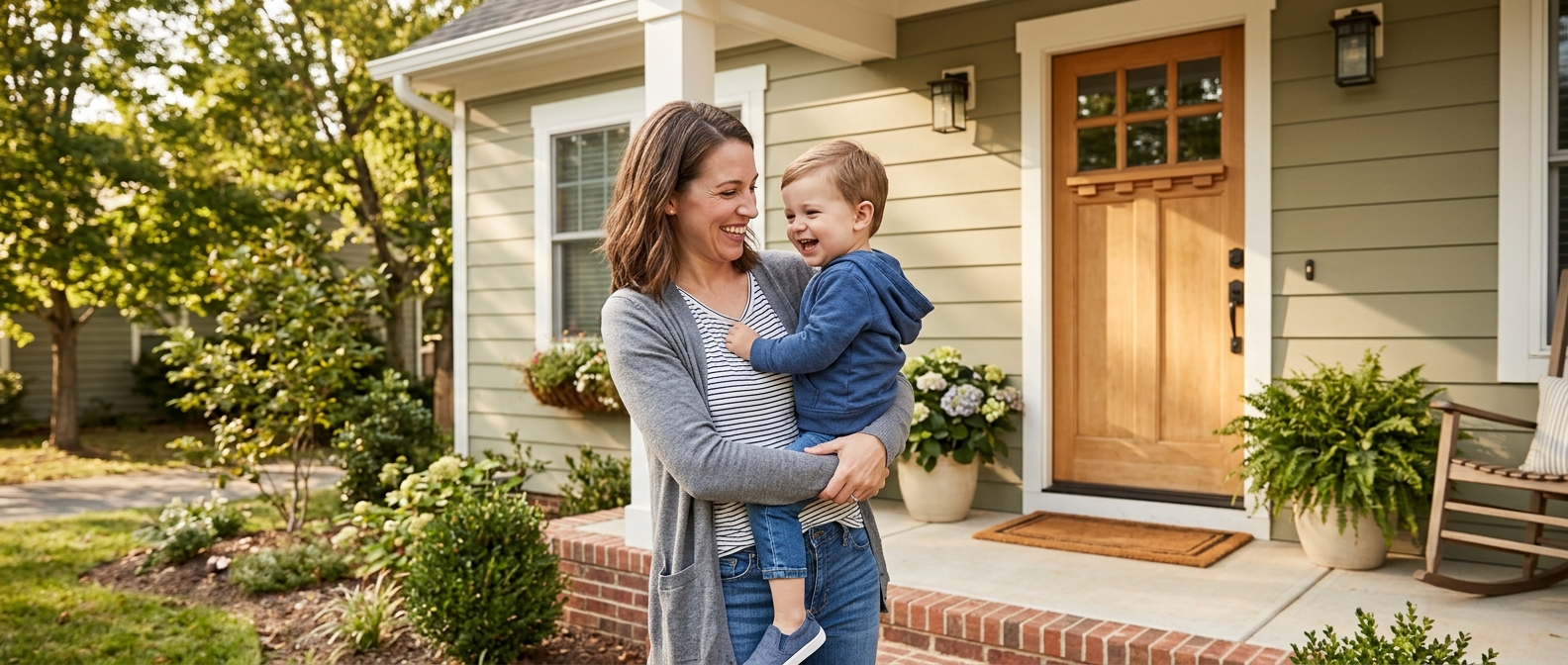
The Housing Squeeze Single Moms Face
Single-income households are hit hardest by rising rents. One paycheck has to cover daycare, groceries, utilities, and rent - often in that order of urgency. Many single mothers end up spending well over a third of their income just on housing, leaving little room for emergencies or savings.
This isn't a personal failure. It's a structural problem. Housing costs have climbed faster than wages in most cities, and single-parent households simply don't have a second income to absorb the shock.
Why Traditional Advice Falls Short
"Just budget better" or "move somewhere cheaper" are common suggestions, but they ignore reality. Moving away from a support network of family, school, and job opportunities can create new problems. And budgeting tips don't fix a rent bill that's simply too high for one income.
What actually helps is knowing which assistance programs exist, how they work, and whether you qualify. Many moms don't apply simply because they don't know these options are available in their area.
Types of Housing Assistance Worth Knowing
Assistance programs generally fall into a few categories:
- Rental assistance vouchers that lower your monthly rent based on income
- Public housing programs offering reduced-rate units
- Nonprofit and community-based housing grants for single parents specifically
- Down payment assistance for moms working toward homeownership
- Transitional housing programs for those coming out of unstable living situations
Each type has different eligibility rules, income limits, and application processes. Some are federal, some are state-run, and others are local nonprofit initiatives.
Eligibility Isn't Always What You Think
Many single mothers assume they won't qualify because they have a job, or because they made "too much" the previous year. But most programs use a sliding scale based on household size and local median income, not a fixed cutoff.
A mother working full-time in a lower-wage job may still qualify for partial rental assistance or a housing voucher, especially in higher cost-of-living areas.
Real Steps That Make a Difference
- Gather your documents early: pay stubs, ID, proof of custody, and tax returns
- Apply to more than one program at once - waitlists are common
- Reach out to local nonprofits, not just government offices
- Ask about emergency or short-term rental assistance if you're behind on rent right now
- Check if your state offers first-time homebuyer programs with reduced down payments
Applying to multiple programs simultaneously increases your odds significantly, since approval timelines and funding availability vary widely between agencies.
The Search Intent Pivot
While understanding these program categories is a strong starting point, the truth is that housing assistance varies dramatically by state, city, and even zip code. A voucher program available in one county may not exist in the next, and income limits shift depending on local housing costs.
The best next step is to look into the specific housing assistance programs and rental aid options available in your exact location, since eligibility requirements, application deadlines, and available funding change constantly based on where you live and your household situation.
Moving Forward
Finding stable housing as a single mother is challenging, but it's not something you have to figure out alone. Assistance programs exist precisely because this is a widespread, recognized need. Learning more about what's available in your area is a practical next step toward a more secure home for you and your children.