
Houston's Nursing Shortage: What It Means for Your Career
Houston's medical landscape is changing, and the demand for skilled nurses has never been higher. From the Texas Medical Center-the world's largest medical complex-to suburban clinics expanding across Katy, Cypress, and The Woodlands, healthcare facilities are actively seeking qualified nursing professionals. If you've been considering a career change or exploring pathways into healthcare, understanding what's happening in Houston right now could help you make an informed decision about your future.
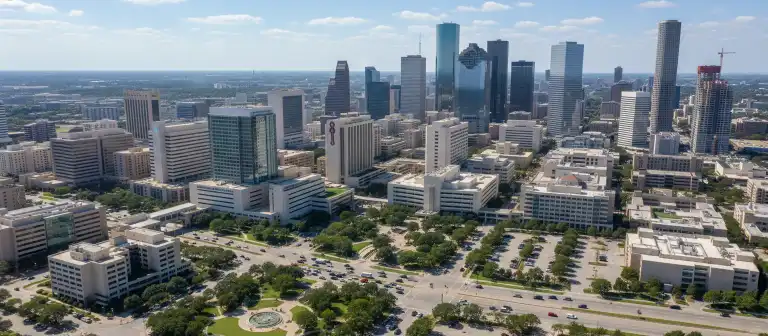 Why Houston's Healthcare System Needs More Nurses
Houston isn't just growing-it's booming. The greater Houston area added more than 90,000 residents in recent years, and with that growth comes increased demand for healthcare services. Memorial Hermann, Houston Methodist, MD Anderson Cancer Center, and CHI St. Luke's are among the major systems consistently recruiting nurses across multiple specialties.
The reasons behind this shortage are straightforward:
- An aging population requiring more comprehensive care
- Veteran nurses reaching retirement age
- Expansion of healthcare facilities in suburban areas like Pearland, Sugar Land, and Spring
- Increased focus on preventive care and chronic disease management
These factors combine to create a sustained need for Registered Nurses (RNs), Licensed Vocational Nurses (LVNs), and Certified Nursing Assistants (CNAs) throughout the Houston metropolitan area.
Understanding the Different Nursing Pathways
One of the most common questions people ask when exploring nursing careers is: "Which certification is right for me?" The answer depends on your current situation, timeline, and career goals.
Certified Nursing Assistant (CNA): This entry-level certification typically requires 4-12 weeks of training. CNAs provide essential patient care support, including assisting with daily activities, monitoring vital signs, and ensuring patient comfort. Many Houston-area community colleges and vocational schools offer CNA programs with flexible schedules designed for working adults.
Licensed Vocational Nurse (LVN): LVN programs generally take 12-18 months to complete. LVNs have expanded responsibilities compared to CNAs, including administering medications, changing wound dressings, and collaborating directly with physicians and RNs. This pathway offers a middle ground for those seeking quicker entry into nursing with more clinical responsibilities.
Registered Nurse (RN): RN pathways vary based on educational route. An Associate Degree in Nursing (ADN) typically takes 2 years, while a Bachelor of Science in Nursing (BSN) requires 4 years. RNs perform comprehensive patient assessments, develop care plans, and often serve in leadership roles within healthcare teams. Houston's major hospital systems increasingly prefer BSN-prepared nurses, though ADN graduates remain in demand, especially in long-term care and community health settings.
What Houston Employers Are Looking For
Conversations with nursing managers across Houston reveal consistent themes about what makes candidates competitive in today's market. Beyond certification, employers value individuals who demonstrate reliability, compassion, and willingness to learn.
Houston Methodist, for instance, has emphasized the importance of nurses who can adapt to diverse patient populations. With Houston being one of the most culturally diverse cities in America, cultural competency and communication skills are essential. Memorial Hermann has highlighted the need for nurses comfortable with technology, as electronic health records and telehealth capabilities become standard across all care settings.
Real Stories from Houston's Nursing Community
Eva Lopez, a CNA working at a senior care facility in Bellaire, started her healthcare journey at age 42 after spending two decades in retail management. "I wanted something stable and meaningful," she shares. "The CNA program at Houston Community College fit my schedule, and within three months I was working. Now I'm considering the LVN program."
David Paul transitioned from restaurant management to nursing during the pandemic. After completing his LVN certification at San Jacinto College, he found employment at a urgent care clinic in Humble. "The structured pathway made sense for me. I could start working within a year and still have room to grow if I decide to pursue my RN later."
These stories aren't unique. Across Houston, people from various backgrounds-educators, hospitality workers, former energy sector employees-are exploring nursing as a viable second career.
Program Requirements: What to Expect
Most nursing programs in the Houston area share similar foundational requirements, though specifics vary by institution and certification level.
For CNA programs, you'll typically need:
- High school diploma or GED
- Background check clearance
- Immunization records
- Basic physical exam
LVN and RN programs generally require:
- Prerequisite coursework in anatomy, physiology, and sometimes chemistry
- Minimum GPA requirements (often 2.5-3.0)
- Entrance exam scores (TEAS or HESI)
- Clinical background check and drug screening
Many Houston-area institutions offer evening and weekend options to accommodate working adults. Lone Star College, Houston Community College, and San Jacinto College all provide flexible scheduling designed specifically for career changers.
Understanding the Time and Financial Investment
Being realistic about the investment required is crucial when considering any educational pathway. CNA programs in Houston typically cost between $600-$1,500 and can be completed in a matter of weeks. LVN programs range from $5,000-$15,000 depending on the institution. RN programs vary more widely, with ADN programs costing approximately $6,000-$20,000 at community colleges, while BSN programs at universities can range significantly higher.
Financial aid, scholarships, and employer tuition assistance programs are available throughout Houston. Several hospital systems, including Texas Children's and HCA Houston Healthcare facilities, offer tuition support programs for employees interested in advancing their nursing credentials.
The Bigger Picture: Healthcare as a Resilient Career Choice
Beyond Houston's immediate shortage, nursing represents one of the most recession-resistant career fields available. Healthcare demand doesn't disappear during economic downturns-if anything, it often increases. The Bureau of Labor Statistics projects nursing employment to grow faster than average for all occupations through the next decade.
For Houston specifically, the continued expansion of the Texas Medical Center and surrounding healthcare infrastructure suggests sustained demand for years to come. The Ion innovation district, new medical facilities along the Grand Parkway corridor, and expansions in underserved areas like East Houston all point toward long-term career stability.
Taking the First Step
If you're considering a nursing pathway, the most important step is gathering accurate, current information about your options. Understanding program requirements, timelines, and what employers actually need helps you make decisions aligned with your personal circumstances.
Many people start by researching the differences between certification levels, exploring local program options, and connecting with current nursing students or professionals in their community. Houston's nursing schools regularly hold information sessions-both virtual and in-person-where prospective students can ask questions and get clarity on what the journey actually looks like.
The nursing shortage facing Houston isn't going away anytime soon. For individuals seeking a meaningful career change with genuine job stability, understanding these pathways and what they require is worth the time invested. Whether you're drawn to direct patient care, interested in working within Houston's world-renowned medical institutions, or simply looking for a profession with clear growth potential, nursing offers structured options worth exploring.