
HUD May Pay for Your Roof Repair If You Meet These Simple Requirements
A leaking roof is more than an inconvenience. It's a slow-moving emergency. Water stains spread across ceilings, energy bills climb, and structural damage quietly worsens with every storm. For many homeowners, the biggest barrier to fixing it isn't knowledge. It's money. What most people don't realize is that federal housing programs exist specifically to help cover these costs, and the requirements may be simpler than expected.
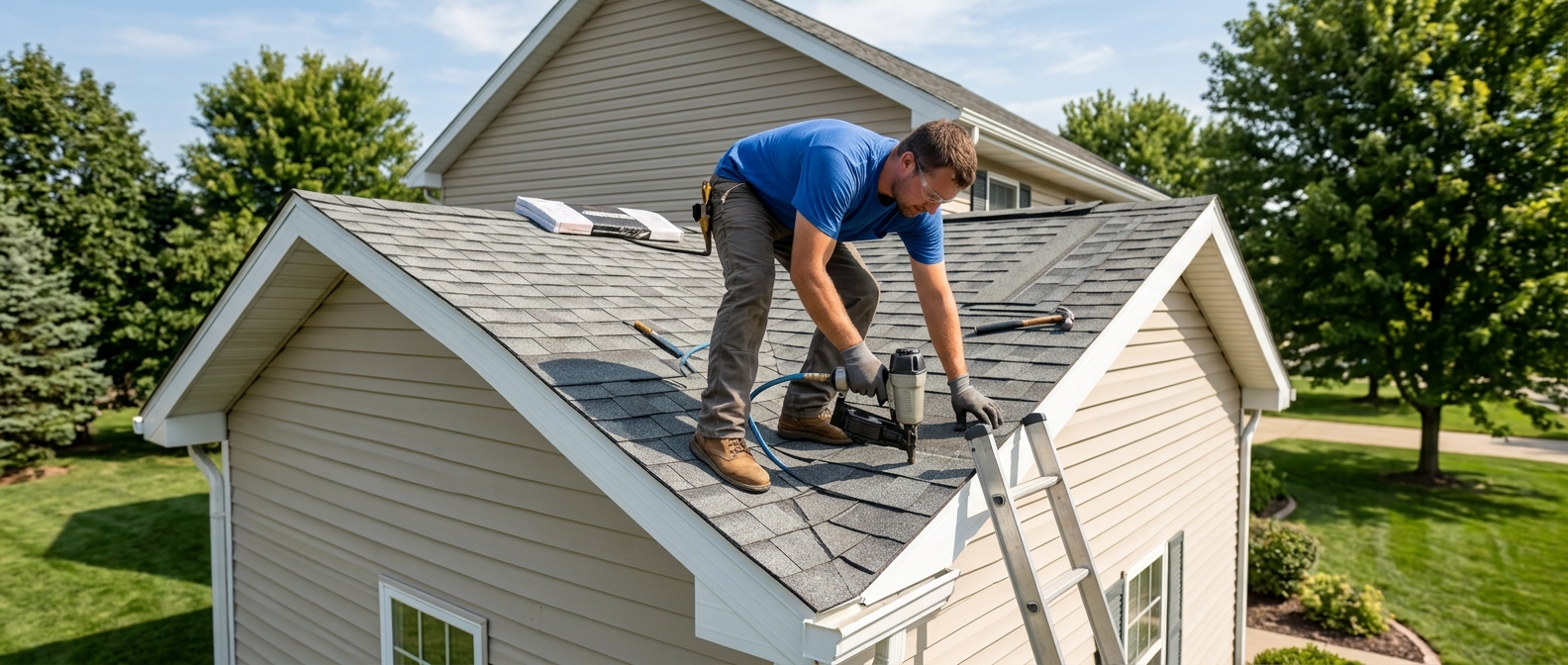
Why Roof Repairs Are So Often Delayed
Roofing is one of the most expensive home repairs a family can face. Full replacements can run into the thousands of dollars, and even partial repairs add up quickly once labor and materials are factored in.
Because of this, many homeowners simply wait. They patch small leaks with tarps or sealant, hoping the problem won't grow. Unfortunately, roof damage rarely stays contained. A small leak today can mean mold, insulation damage, or a compromised roof deck within a year.
The Hidden Cost of Waiting
Delaying roof repairs doesn't just risk further damage. It often increases the total cost of fixing the problem later.
- Water damage can spread to walls, floors, and electrical systems.
- Mold growth can create health hazards that require separate remediation.
- Energy efficiency drops, raising monthly utility bills.
- Insurance claims can become more complicated if damage is linked to "neglect."
This is exactly why understanding available assistance early matters so much. Waiting for a "better time" financially can end up costing far more.
What Most Homeowners Don't Know About HUD Assistance
The U.S. Department of Housing and Urban Development (HUD) oversees several programs designed to help homeowners maintain safe, livable housing. While HUD itself doesn't hand out roofing checks directly, it funds and supports programs that can.
These include:
- Community Development Block Grants (CDBG) distributed to local governments for home repair assistance.
- Section 504 Home Repair loans and grants, often administered through the USDA for qualifying rural homeowners.
- State-run weatherization and housing preservation programs that use federal funding streams.
Because these programs are often administered locally, eligibility rules, funding availability, and application steps vary significantly from one area to another.
Who Typically Qualifies
While specific requirements differ by program and location, many share similar baseline criteria:
- Homeownership: You must own and occupy the home needing repair.
- Income limits: Most programs are designed for low-to-moderate income households, often defined relative to the area's median income.
- Primary residence: The property usually must be your main home, not a rental or vacation property.
- Safety necessity: Roofing issues that pose health or safety risks are often prioritized.
Some programs also consider age or disability status, giving priority to elderly homeowners or those with limited mobility.
Why the Details Matter So Much
Here's the part that surprises most people: two neighbors with similar homes and similar roof damage can qualify for completely different levels of assistance.
That's because funding for these programs is distributed at the state and county level. One city might have an active CDBG-funded roof repair initiative with open applications. A neighboring county might have a waitlist, or a different program altogether with its own paperwork and deadlines.
This is why general information only goes so far. Knowing that "HUD-related programs exist" is helpful, but it doesn't tell you which program applies to your specific address, your income bracket, or your timeline.
Steps Homeowners Are Taking Right Now
People who successfully secure help typically follow a similar path:
- They identify their local Public Housing Agency (PHA) or housing authority.
- They check whether their state's housing department lists active home repair grants.
- They gather documentation early, including proof of income, homeownership, and the nature of the roof damage.
- They ask directly whether waitlists exist, since some programs operate on a rolling basis while others are seasonal.
None of these steps require special expertise. They simply require knowing where to look.
Where Search Becomes the Smarter Next Step
Because these programs vary so widely by ZIP code, county, and even city budget cycles, the most useful next step isn't more general reading. It's a targeted search.
The right search terms can surface localized program names, current application windows, and income thresholds specific to your area, details that a general article simply cannot provide with accuracy for every reader.
Homeowners searching in 2026 are increasingly finding that program names, funding availability, and even application portals have changed from previous years, making an updated, location-specific search especially important right now.
Final Thoughts
Roof damage doesn't wait, and neither should the search for help paying for it. While the broad strokes of HUD-connected assistance are consistent nationwide, the real answers, the ones that determine whether you qualify and how much support is available, depend on where you live and your household's specific situation.
Exploring current, localized program options is the most direct way to find out what applies to your home today.