
In-Home Russian Massage Services: What You Should Know
Imagine finishing a long, exhausting day and instead of driving to a spa, fighting traffic, and sitting in a waiting room, your massage therapist simply comes to you. In-home Russian massage services have quietly become one of the most requested wellness options for people who want deep, therapeutic relief without leaving their living room. But how do these services actually work, and what makes the Russian massage technique different from the standard spa treatment you already know?
What Makes Russian Massage Different
Russian massage is a therapeutic technique rooted in a long tradition of medical and rehabilitative bodywork. Unlike some Western styles that focus mainly on relaxation, Russian massage often blends rhythmic stroking, kneading, and vibration techniques designed to improve circulation, ease muscle tension, and support the body's natural recovery process.
Many practitioners describe it as a hybrid between deep tissue work and gentle therapeutic manipulation. It's often slower and more methodical than a typical Swedish massage, with an emphasis on identifying problem areas rather than simply gliding across the body.
Why At-Home Sessions Are Gaining Popularity
The shift toward in-home wellness services didn't happen by accident. People are busier, more selective about their time, and increasingly interested in personalized care. Booking a massage therapist to visit your home solves several common frustrations at once:
- No commute or parking stress after an already tiring day
- Sessions scheduled around your routine, including evenings and weekends
- A private, familiar environment that can help the body relax faster
- The option to use your own shower, robe, and space immediately after
For people managing chronic pain, mobility limitations, or simply a packed calendar, this convenience isn't a luxury. It's often the difference between getting consistent care and skipping it altogether.
Why Traditional Spa Visits Sometimes Fall Short
Spa environments are designed for volume. Therapists often work on tight schedules, rotating between clients with limited time to focus on specific problem areas. That structure works for general relaxation, but it can fall short for people dealing with persistent tension, old injuries, or stress-related tightness that needs a more tailored approach.
In-home sessions tend to allow more flexibility in timing and technique, since the therapist isn't racing to the next appointment down the hall. That can translate into a more thorough, attentive session.
What to Expect During a Session
Most in-home Russian massage appointments follow a similar structure:
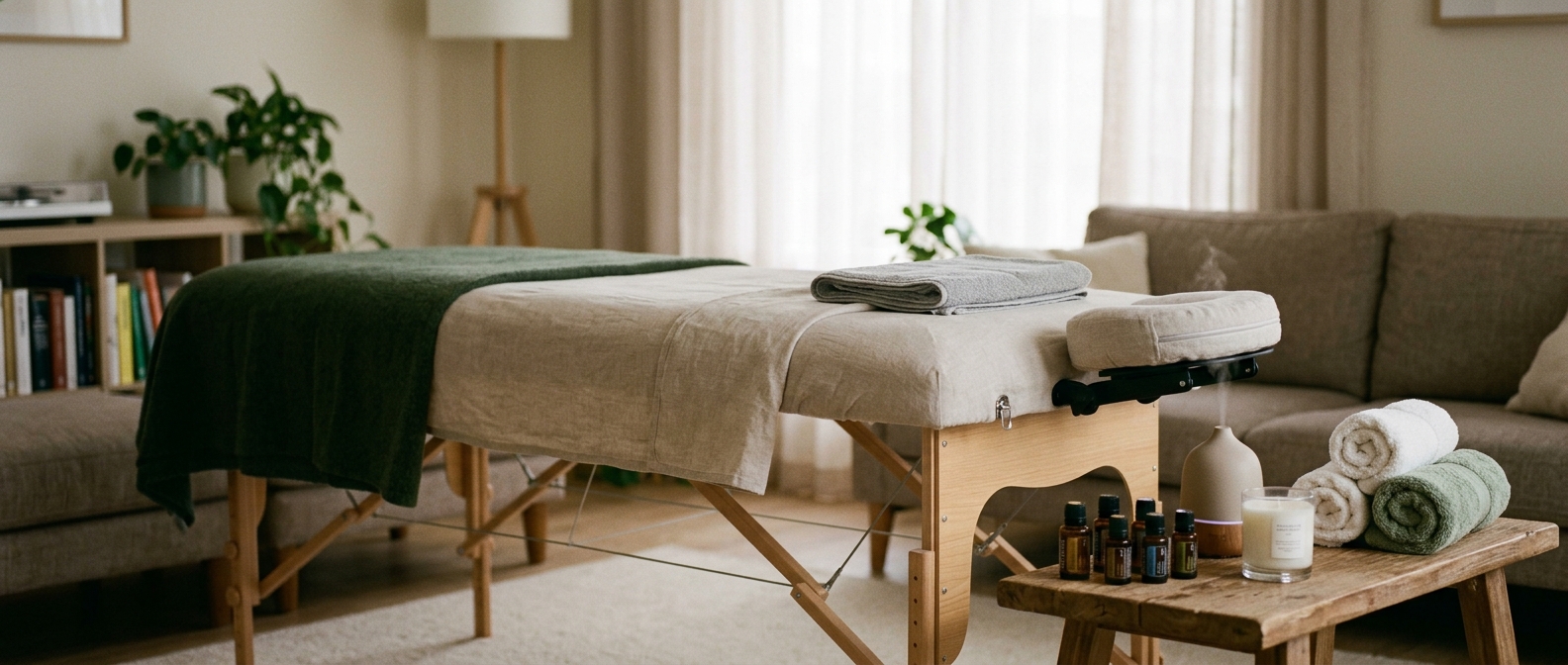
- The therapist arrives with a portable table, linens, and oils
- A brief conversation about problem areas, pain points, or goals for the session
- The massage itself, typically lasting 60 to 90 minutes
- A short debrief on stretches or aftercare tips
Because the technique often targets specific muscle groups more intensely, some people notice mild soreness the next day, similar to the feeling after a good workout. This is generally considered a normal part of the body's recovery response, though it's always wise to discuss any concerns directly with your therapist.
Who Tends to Benefit Most
While anyone can enjoy the relaxation benefits, certain groups often seek out this style of bodywork specifically:
- People recovering from minor sports injuries or overuse strain
- Office workers dealing with chronic neck and shoulder tension
- Older adults who prefer not to travel for wellness appointments
- Anyone managing stress-related muscle tightness
It's worth noting that Russian massage isn't a replacement for medical treatment. Anyone with a serious injury, chronic condition, or recent surgery should consult a doctor before booking a session.
The Search Intent Pivot: Why Location and Credentials Matter
Here's where things get more personal. Not every in-home massage provider offers the same training, certification, or approach, and availability varies dramatically depending on where you live. A therapist specializing in traditional Russian techniques in one city might be booked weeks out, while another area might have several independent providers with flexible same-day scheduling.
Pricing also shifts significantly based on region, session length, and whether the provider is an independent therapist or part of a larger mobile wellness network. Some services bundle add-ons like aromatherapy or hot stone elements, which can affect the overall cost.
Because of these variables, the most useful next step isn't a generic checklist, it's finding out what's actually available near you. Local licensing requirements, therapist reviews, and real-time availability all play a role in determining whether an in-home Russian massage service is the right fit for your schedule and budget.
Questions Worth Asking Before You Book
Before committing to any provider, it helps to have a short list of questions ready:
- Is the therapist licensed or certified in your state or region?
- What specific techniques do they specialize in?
- Do they carry liability insurance for in-home visits?
- What is their cancellation or rescheduling policy?
- Are reviews or references available from previous clients?
Taking a few minutes to compare options can make the difference between a mediocre session and one that genuinely addresses your needs.
Final Thoughts
In-home Russian massage services offer a compelling mix of convenience, personalized attention, and therapeutic technique that many traditional spa visits can't match. Whether you're dealing with chronic tension or simply want a more relaxed way to unwind, understanding how these services work is the first step.
From here, exploring what's actually offered in your area, including therapist credentials, pricing, and scheduling options, can help you make a more informed decision about your next session.