
Is Your Roof Silently Failing? Here's What to Do
Is Your Roof Silently Failing? Here's What to Do
Most homeowners don't think about their roof - until the damage is already done. A small leak becomes a structural nightmare. A few missing tiles turn into a full replacement. The truth is, your roof works hard every single day against wind, rain, heat, and cold. And when it starts to fail, it rarely announces itself loudly. By the time you notice water stains on your ceiling or feel a draught from above, the problem underneath may already be serious.
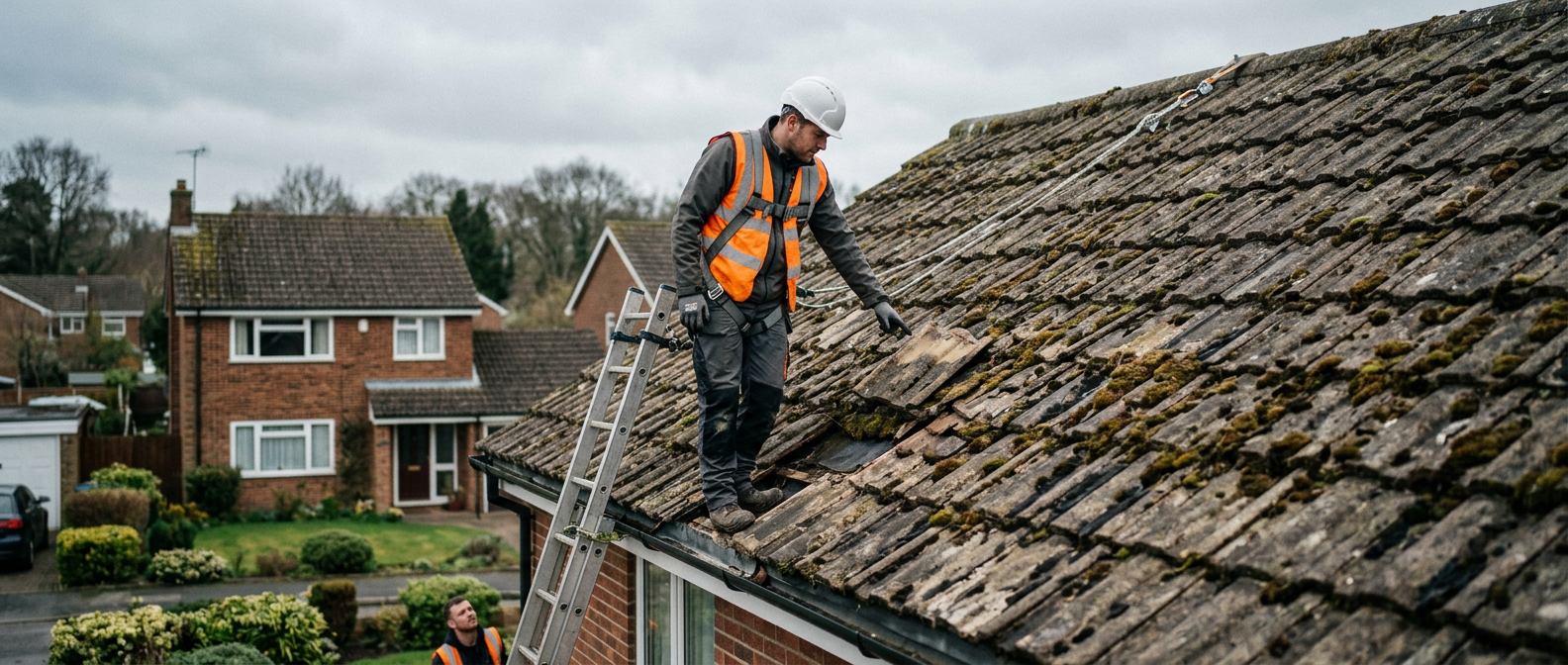
Why Roofs Fail Sooner Than You Expect
Most residential roofs are built to last between 20 and 40 years - but that range depends heavily on materials, climate, and maintenance. In reality, many roofs begin to show serious wear well before the 20-year mark.
Here's why roofs deteriorate faster than expected:
- Weather exposure: Repeated freeze-thaw cycles, heavy rain, high winds, and intense UV radiation all break down roofing materials over time.
- Poor ventilation: Trapped heat and moisture inside the roof cavity accelerates rot and warping of the underlying structure.
- Blocked gutters: Water that can't drain properly pools near the roof edge, seeping under tiles or flashing and causing hidden water damage.
- Deferred maintenance: Small issues like a cracked tile or loose flashing are cheap to fix - but when ignored, they invite large-scale damage.
The Warning Signs You Should Never Ignore
Your roof will give you signals before it fails completely. The key is knowing what to look for.
Outside the home:
- Cracked, curling, or missing tiles/shingles
- Sagging or uneven roof lines
- Moss, algae, or lichen growth on roof surfaces
- Damaged or rusted flashing around chimneys, vents, or skylights
- Granules accumulating in gutters (a sign of advanced shingle wear)
Inside the home:
- Water stains or dark patches on ceilings
- Musty smells in the attic or upper rooms
- Visible daylight through roof boards
- Increased energy bills (poor roof insulation lets heat escape)
If you're spotting more than two of these signs, it's time to get a professional roof inspection - not next month, now.
Repair vs. Replacement: How to Know Which One You Need
This is the question every homeowner dreads. A repair is obviously cheaper in the short term - but is it the right call?
As a general rule:
- Opt for repair if damage is limited to a small section, the roof is under 15 years old, and the underlying structure is sound.
- Opt for replacement if the roof is over 20-25 years old, damage covers more than 30% of the surface, or you're facing recurring leaks in multiple areas.
A qualified roofer can usually give you a clear assessment after a visual inspection. Some also offer thermal imaging or moisture testing to identify hidden damage before it worsens.
What Modern Roof Replacements Actually Involve
Today's roof replacements are far more advanced than they were 20 years ago. Modern roofing projects typically include:
- Structural assessment: Checking rafters, trusses, and decking for rot or damage before any new material goes down.
- High-performance underlays: Breathable membranes that manage moisture without trapping heat.
- Energy-efficient insulation: Upgrading insulation at the same time reduces heating and cooling costs significantly.
- Durable surface materials: Options include metal roofing, architectural shingles, fibreglass, and concrete or clay tiles - each with different lifespans and performance characteristics.
- Improved drainage systems: New gutters and downpipes are often installed alongside a roof replacement to ensure proper water management.
How Much Does It Actually Cost?
Cost is the biggest concern for most homeowners - and it varies significantly based on roof size, pitch, materials, and local labour rates. In 2026, residential roof replacement costs have risen across most English-speaking markets due to higher material prices and increased demand for skilled tradespeople.
While exact figures depend on your specific situation, here's what to expect in general:
- Minor repairs: Typically range from a few hundred to over a thousand in local currency for isolated issues like flashing, a small leak, or a handful of broken tiles.
- Partial re-roofing: Covering one section or slope of the roof costs considerably less than a full replacement.
- Full replacement: This is a significant investment - often one of the largest home maintenance expenses a homeowner will face. Getting multiple quotes is essential.
The smart move? Don't wait until your roof is in crisis. Emergency repairs and water damage remediation almost always cost more than proactive replacement.
5 Things to Ask Before Hiring a Roofer
Choosing the right contractor makes all the difference. Before signing anything, ask:
- Are you licensed and insured? Always verify credentials before work begins.
- Can you provide references or photos of past work? A reputable roofer will have a portfolio.
- What materials will you use, and why? Get the specs in writing.
- What does the warranty cover? Understand both the manufacturer's material warranty and the contractor's workmanship guarantee.
- What's included in the quote? Confirm whether scaffolding, waste removal, and underlays are included - these can add significantly to the final bill.
Don't Overlook the Insurance Angle
In many cases, roof damage caused by storms, falling debris, or extreme weather events may be partially or fully covered by your home insurance policy. Before accepting any repair quote, check your policy documents and consider lodging a claim - especially after severe weather.
Some roofing contractors specialise in working with insurers and can help you navigate the claims process. Always document damage with photographs before any work begins.
The Right Time to Act Is Now
Roofing problems don't pause for a convenient moment. Weather doesn't wait. And the longer a compromised roof is left unaddressed, the more expensive the eventual fix becomes. Whether you're dealing with a minor leak or suspect your roof is nearing the end of its life, the most important step is getting a proper assessment from a qualified local professional.
Every home and roof is different. The best way to understand your options - costs, materials, timelines - is to search for qualified roofing professionals and services in your specific area.
Understanding what's available in your local market, what questions to ask, and what fair pricing looks like in your region will put you in a far stronger position before you make any decisions.