
Iron Bars Are Out: Smarter Ways to Secure Doors and Windows
Las Rejas de Hierro Ya No Son Tendencia
Drive through almost any neighborhood built before the 2000s and you'll spot them: thick iron bars bolted over windows and doors, turning homes into something closer to a cage than a sanctuary. For decades, this was the go-to answer to a simple fear - keeping intruders out. But times have changed, and so have the risks, the technology, and the expectations homeowners have for what "secure" should actually look like.
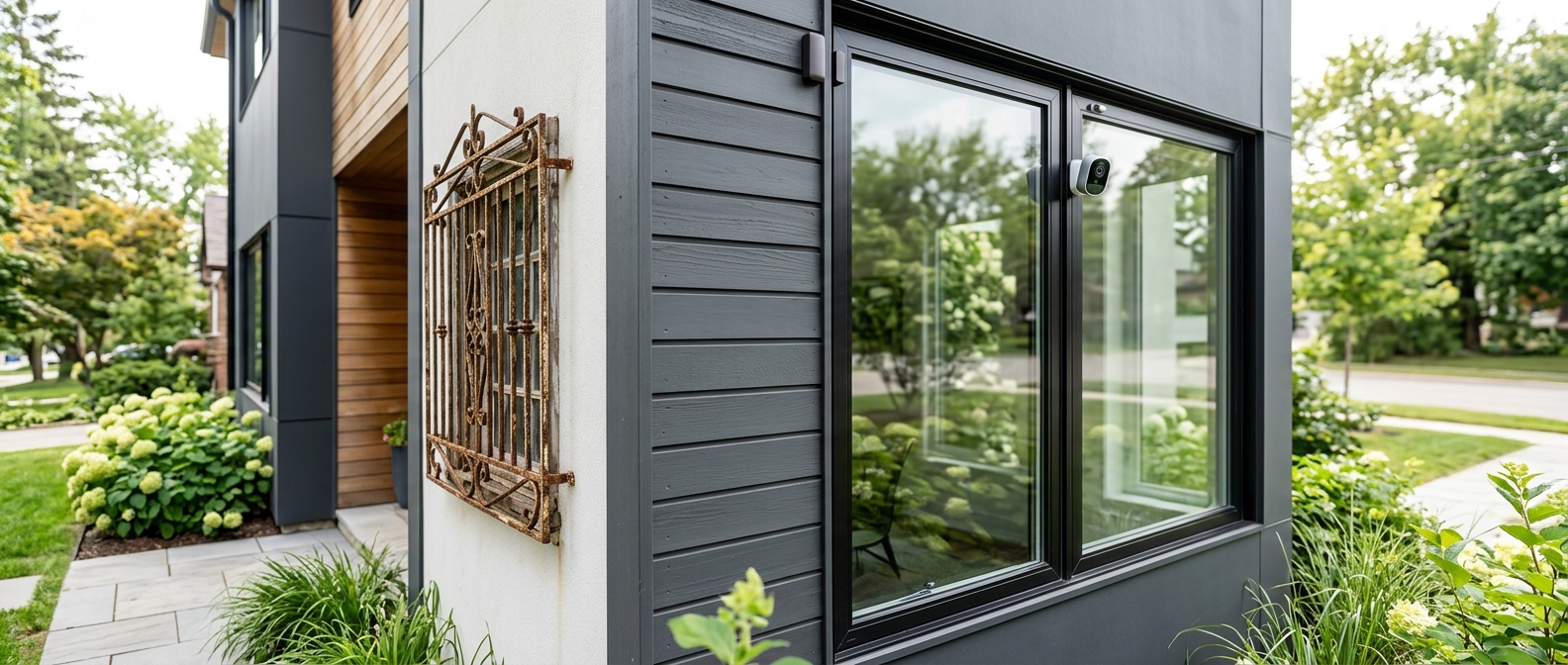
Today, iron bars are increasingly seen as a relic. They're heavy, they rust, they trap residents inside during emergencies, and worse, they signal to everyone on the block that there might be something valuable worth stealing inside. If you're still relying on this decades-old approach, it might be time to rethink your whole strategy.
The Problem With Old-School Security
Iron bars were designed for a different era, one where the main threat was a simple break-in through a window. But modern home invasions look different. Criminals today are more resourceful, often targeting weak points that bars don't even cover, like side doors, garage entries, or smart locks with outdated firmware.
There's also a practical downside that many homeowners don't consider until it's too late. In the event of a fire or emergency, barred windows can become death traps. Firefighters often cite blocked exits as a major obstacle in rescue situations. Security shouldn't come at the cost of safety.
Why Appearances Matter More Than You Think
Beyond function, there's the matter of aesthetics and property value. Homes with heavy iron grilles often see lower resale value because buyers associate them with high-crime areas or outdated design. Real estate agents frequently note that curb appeal plays a bigger role in a buyer's first impression than most sellers realize.
Modern security doesn't need to look like a prison. In fact, the best systems today are nearly invisible, blending into the architecture while offering protection that's arguably stronger than a rusty iron bar ever was.
What's Replacing the Bars
Homeowners are shifting toward layered security strategies instead of relying on a single physical barrier. This typically includes a mix of:
- Reinforced glass and laminated window film that resists shattering
- Smart locks with remote monitoring and tamper alerts
- Motion-activated lighting and cameras positioned at entry points
- Door and window sensors connected to a central alarm system
- Security film or shatter-resistant coatings on glass panels
Each of these elements works together, creating multiple obstacles for anyone attempting to force entry, without turning your home into a visual deterrent that also limits your own mobility.
The Role of Smart Technology
One of the biggest shifts in home security has been the rise of connected systems. Instead of a passive barrier like a bar or grille, smart systems actively respond. A sensor detects unusual activity, a camera captures it, and an alert reaches your phone in seconds. Some systems even notify local monitoring centers automatically.
This real-time responsiveness is something static iron bars simply cannot offer. A bar can slow someone down, but it can't tell you what's happening or call for help.
Cost Isn't the Barrier It Used to Be
Many homeowners assume upgrading from bars to modern systems means a massive investment. That's not necessarily true anymore. Basic smart security kits with cameras and sensors have become far more accessible, and many installation companies offer tiered packages depending on the size of the home and the level of coverage needed.
Of course, pricing varies significantly depending on your region, the type of property, and whether you're looking for a professionally monitored service or a self-managed system. That's exactly why it pays to compare options rather than assume one-size-fits-all pricing applies to your situation.
Finding the Right Fit for Your Home
While the general principles of modern security are consistent, the best setup for your specific doors and windows depends on a few key factors: the layout of your property, local crime patterns, your budget, and whether you rent or own. A ground-floor apartment in a dense urban area has very different vulnerabilities than a standalone house in the suburbs.
This is where things get personal. General advice can only take you so far - the real value comes from understanding what providers, installation costs, and security packages are actually available where you live. Local installers often have insight into neighborhood-specific risks that a generic guide simply can't capture, and pricing can shift based on regional demand and labor costs.
A Smarter Way Forward
Swapping out iron bars for modern alternatives isn't just about aesthetics. It's about rethinking what real protection means in 2026. The goal isn't to look fortified, it's to be genuinely secure while keeping your home livable, escapable in emergencies, and appealing if you ever decide to sell.
If you're considering an upgrade, it's worth exploring what door and window security solutions are currently available in your area, along with typical costs and installation timelines. Options vary widely, and understanding what fits your home, your neighborhood, and your budget is the next logical step toward a safer, more modern setup.