
Guide to Laser Suppliers in 2026: High-Power Tech Across Industries
Guide to Laser Suppliers in 2026: Exploring High-Power Technology Across Industries
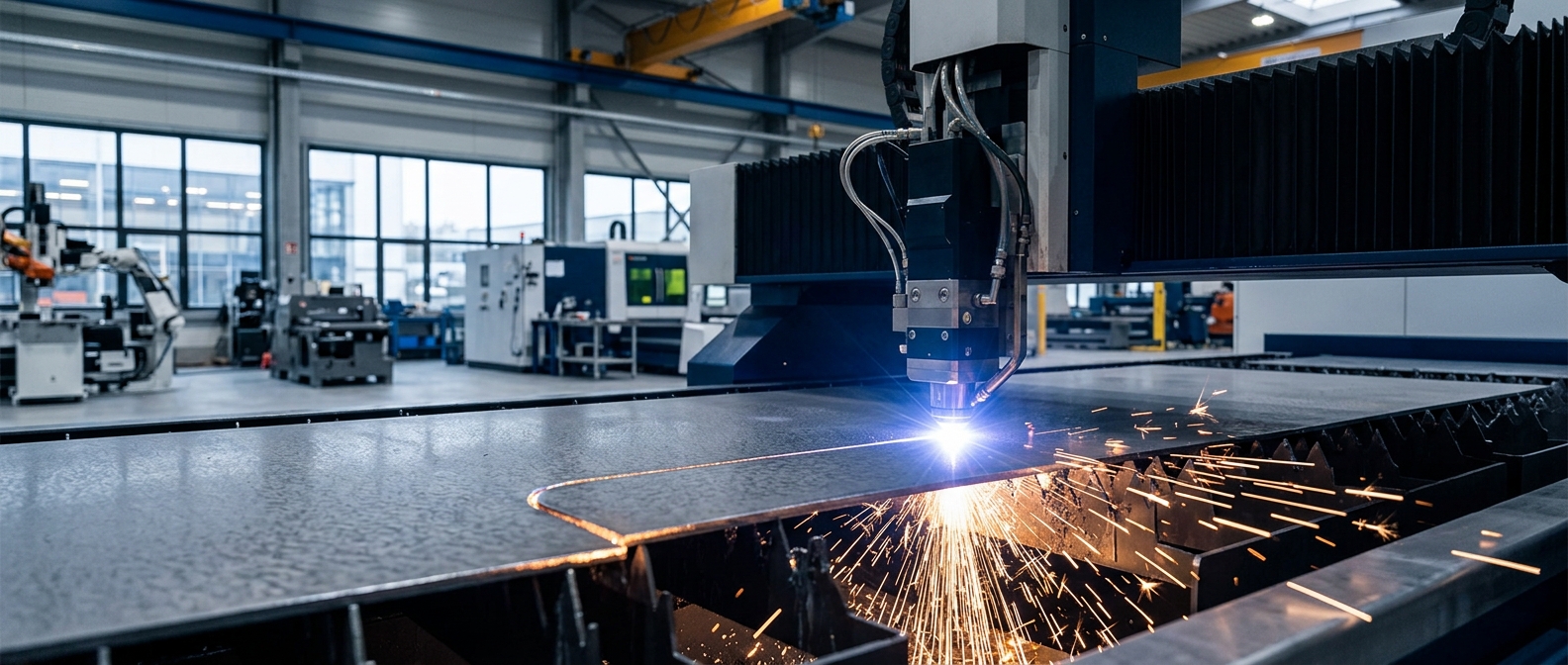
Lasers have quietly become one of the most powerful tools in modern manufacturing. From slicing steel beams to engraving microchips, high-power lasers now sit at the center of industries most people never think about. But as this technology accelerates, so does the confusion around choosing the right equipment and the right supplier. If you've ever wondered how factories cut metal with light, or why laser prices vary so wildly, you're not alone.
Why Everyone Is Talking About Lasers Right Now
Laser technology isn't new, but 2026 marks a turning point. Manufacturers are under pressure to build faster, cleaner, and more precise products than ever before. Electric vehicles need lightweight aluminum and copper components. Aerospace companies need parts machined to fractions of a millimeter. Semiconductor plants need cuts so fine that traditional tools simply can't compete.
Lasers solve these problems by using concentrated light instead of physical blades or drills. There's no wear and tear on a cutting edge, no direct contact with the material, and far greater control over precision. That combination has pushed lasers from a niche tool into a mainstream manufacturing necessity.
The Problem With Outdated Laser Systems
Older laser systems, particularly CO2-based machines, are increasingly seen as inefficient. They consume more energy, require more maintenance, and struggle with reflective metals like copper and aluminum. As industries shift toward electric vehicles and lightweight materials, these older systems are becoming a bottleneck rather than a solution.
This is where the frustration begins for many buyers. Businesses invest heavily in equipment, only to discover it can't handle the materials their industry now demands. Choosing the wrong system, or the wrong supplier, can mean thousands of dollars in wasted capacity and missed production deadlines.
How Modern High-Power Lasers Are Changing the Game
Fiber lasers have taken over as the industry standard, and for good reason. They're more energy-efficient, require less maintenance, and can handle a wider range of materials, including the tricky reflective metals older systems couldn't touch.
Here's what's driving the shift:
- Higher power output. Systems that once topped out around 10kW now regularly reach far higher power levels, allowing faster cuts through thicker materials.
- Smarter automation. Built-in sensors and software now adjust cutting paths and settings in real time, reducing waste and errors.
- Faster processing without heat damage. Specialized laser types allow for extremely fine, cold processing, useful for delicate components like medical devices.
- Lower energy consumption. Newer systems use significantly less power than older CO2 models, cutting long-term operating costs.
Who Actually Needs High-Power Laser Equipment?
It's easy to assume this technology only matters to massive factories, but that's not quite accurate. A surprising range of businesses now rely on laser systems, including:
- Small-to-medium metal fabrication shops
- Automotive and EV component manufacturers
- Medical device producers
- Aerospace and defense contractors
- Sign making and custom engraving businesses
- Jewelry and precision goods makers
Even smaller operations are adopting handheld laser welding tools, which have become more affordable and easier to use than traditional welding equipment. This democratization of laser technology means more businesses can access capabilities once reserved for large-scale manufacturers.
Why Supplier Choice Matters More Than the Laser Itself
Here's something many buyers overlook: the laser source is only part of the equation. The company that integrates, services, and supports that laser often determines whether an investment pays off or becomes a costly headache.
Consider these factors when evaluating any potential supplier:
- Application fit. A supplier specializing in thick steel cutting may not be the right choice for micro-machining medical components.
- Local support and service. Downtime on a laser system can halt production entirely. Proximity to service technicians matters.
- Training and integration. Some systems require extensive operator training, while others are designed for quick adoption.
- Total cost of ownership. Sticker price is only one part of the equation. Energy consumption, maintenance, and consumables add up over time.
The Search Intent Pivot: Finding the Right Fit for Your Situation
General knowledge about laser technology only gets you so far. The real answer to "which laser supplier is right for me" depends heavily on variables that are unique to your business: your industry, your budget, your location, and the specific materials you work with.
A fabrication shop in one region may have access to different regional suppliers, service networks, and pricing structures than one across the country. Similarly, a business focused on aerospace-grade precision has entirely different needs than one doing high-volume sheet metal cutting.
This is exactly why so many business owners and procurement managers turn to more specific searches once they understand the basics. Questions like "high-power fiber laser suppliers near me," "best laser cutting systems for small fabrication shops," or "industrial laser suppliers by budget" tend to surface far more useful, tailored results than generic overviews ever could.
What to Do With This Information
Understanding the landscape of high-power laser technology is the first step. The next step is matching that knowledge to your specific circumstances, whether that means comparing suppliers by industry specialization, evaluating regional service availability, or narrowing down options by budget range.
The laser industry in 2026 offers more options, more power, and more precision than ever before. But with that abundance comes complexity. Taking time to explore your specific options, rather than relying on generic recommendations, is likely to lead to a far better outcome for your business or project.