
Liquidation Pallets 101: The Smart Way to Buy and Resell
Liquidation Pallets 101: The Smart Way to Buy and Resell
Scroll through any resale forum in 2026 and you'll see the same story. Someone bought a mystery pallet for a few hundred dollars and unboxed thousands of dollars in name-brand merchandise. It sounds like a jackpot. But behind every successful pallet flip is a buyer who understood the game before spending a dime.
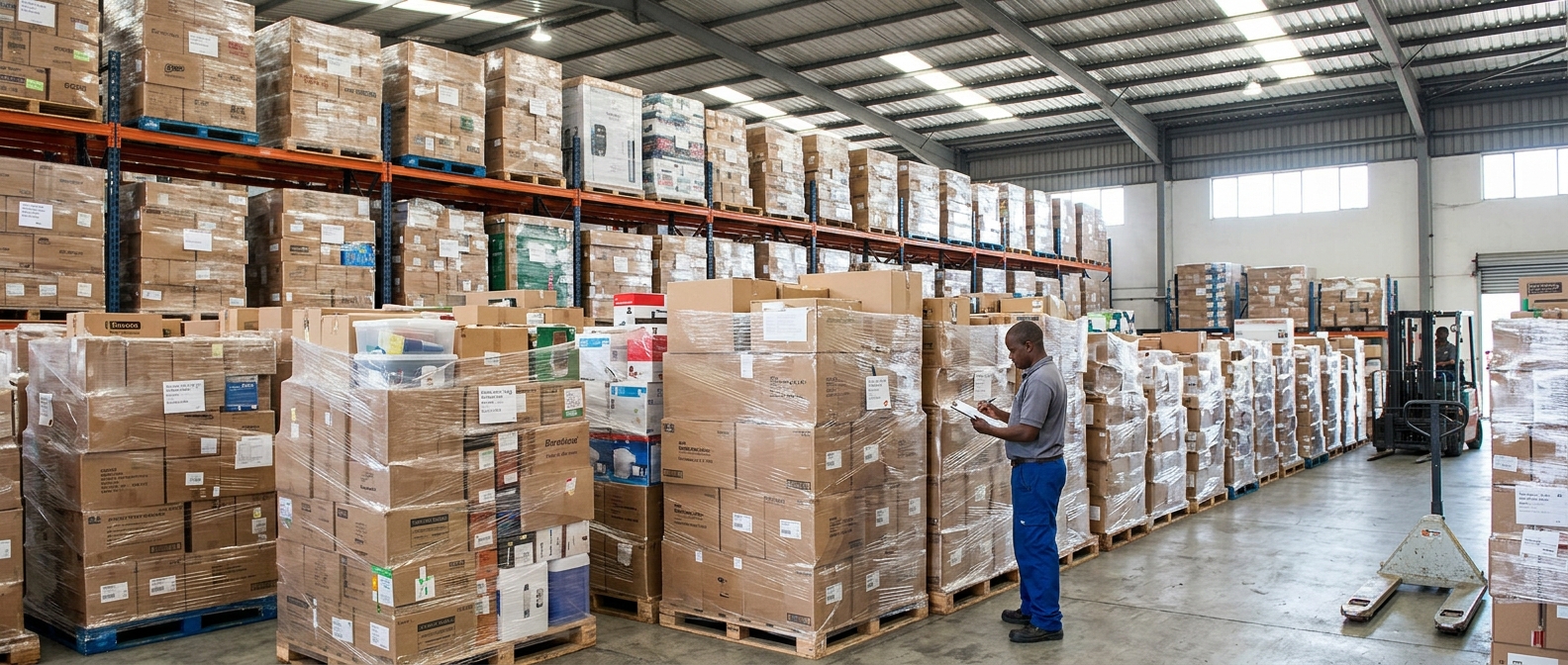
What Exactly Is a Liquidation Pallet?
Liquidation pallets are bulk lots of merchandise that retailers no longer want to hold onto. This includes:
- Customer returns that can't be resold as "new"
- Overstock items taking up warehouse space
- Shelf-pulls from store resets or discontinued lines
- Damaged packaging with fully functional products inside
Instead of trashing these goods, big retailers sell them off in bulk to liquidation companies. Those companies then package the items onto pallets and resell them, often through online auction sites, to smaller buyers like you.
Why This Market Exploded
Online shopping created a returns problem. Every returned couch, blender, or pair of sneakers costs a retailer money to process. Liquidation became the fastest way to recover some of that value. For resellers, this created an opening: buy inventory for cents on the dollar, then resell individual items for a profit on marketplaces like eBay, Facebook Marketplace, or at local flea markets.
The Problem With Buying Blind
Here's where most beginners get burned. Not every pallet is a goldmine. Some are labeled "mixed electronics" or "general merchandise" with no real detail about condition or contents. Buyers who skip due diligence often end up with:
- Broken or missing parts
- Outdated or unsellable items
- Shipping costs that eat into any potential profit
- Manifests that don't match what actually arrives
This is the agitation point. The excitement of a "mystery box" can quickly turn into a garage full of unsellable junk if you don't know what you're doing.
How Smart Buyers Actually Do It
Experienced resellers treat this like a business, not a gamble. A few core habits separate profitable buyers from disappointed ones:
- They read the manifest carefully. A manifest lists the items included, their retail value, and sometimes their condition. No manifest usually means more risk.
- They start small. A single pallet or even a partial "spot" lot is safer than a full truckload on your first try.
- They calculate cost per item. Divide the pallet price by the number of units to see if the math works even in a worst-case scenario.
- They factor in resale time. Some categories, like clothing or electronics, move faster than furniture or seasonal decor.
- They check seller reputation. Established liquidation platforms tend to have clearer grading systems than random unknown sellers.
Understanding Condition Grades
Liquidation listings often use condition codes. Common ones include:
- New/Like New: Unused, often just excess inventory
- Refurbished: Repaired or tested to working condition
- Customer Returns: Mixed condition, may include working and non-working items
- Salvage: Sold as-is, expect significant damage or missing parts
Knowing these grades before bidding can be the difference between a profitable pallet and a costly mistake.
Where the Real Profit Comes From
It's rarely about one big item. Most successful resellers make their margin by selling many smaller items steadily. A pallet of 80 mixed home goods might have a few duds, but if 60 items sell for reasonable prices, the math still works in the buyer's favor.
Patience matters too. Some items sell within days. Others sit for weeks. Building a resale rhythm, listing consistently, pricing competitively, and reinvesting profits, is what turns a one-time pallet purchase into an ongoing side income.
The Search Intent Pivot
While these fundamentals apply everywhere, the actual buying experience varies a lot depending on where you're located and which platform you use. Shipping costs, available categories, and even pallet pricing can differ significantly between regional liquidation warehouses versus national online auction sites.
This is exactly why so many first-time buyers start by searching for liquidation pallet suppliers near their area, along with reviews comparing the most reputable platforms currently available. Some searches focus on specific categories, like electronics pallets or clothing lots, since profit margins can vary widely by product type. Others look specifically for beginner guides on how to inspect a manifest or calculate potential resale value before committing to a purchase.
Before You Buy: A Quick Gut Check
Ask yourself these questions before clicking "buy now" on any pallet listing:
- Do I understand what condition grade means for this specific lot?
- Have I calculated total cost including shipping and any auction fees?
- Do I have a plan for where I'll resell these items?
- Am I starting with an amount I can afford to lose if it doesn't work out?
If you can answer these confidently, you're already ahead of most first-time buyers.
Final Thoughts
Liquidation pallets can be a legitimate way to source inventory at a fraction of retail price, but only when approached with realistic expectations and a bit of research. The sellers, platforms, and categories that work best often depend on your specific situation. Exploring current listings and comparing options in your area is a smart next step for anyone serious about giving this a try.