
Early Signs of Liver Cancer You Shouldn’t Ignore
The liver is often called the body’s "silent workhorse," performing over 500 vital functions, from filtering toxins to aiding digestion. However, because the liver is so resilient, symptoms of serious conditions like liver cancer often remain subtle until the later stages. Understanding the primary warning signs of liver cancer is essential for long-term health, particularly for specific demographics where risk factors begin to accumulate.
 The Importance of Age and Demographic Context
In regions like New Zealand, healthcare professionals have noted that the risk profile for liver-related issues tends to shift as individuals cross the age of 45. For many Kiwis, this life stage is a critical window for preventative screening. Factors such as historical exposure to viral hepatitis, lifestyle habits, and the prevalence of metabolic conditions in the NZ population mean that staying vigilant after 45 isn't just a precaution—it’s a necessity for early detection.
Core Warning Signs of Liver Cancer
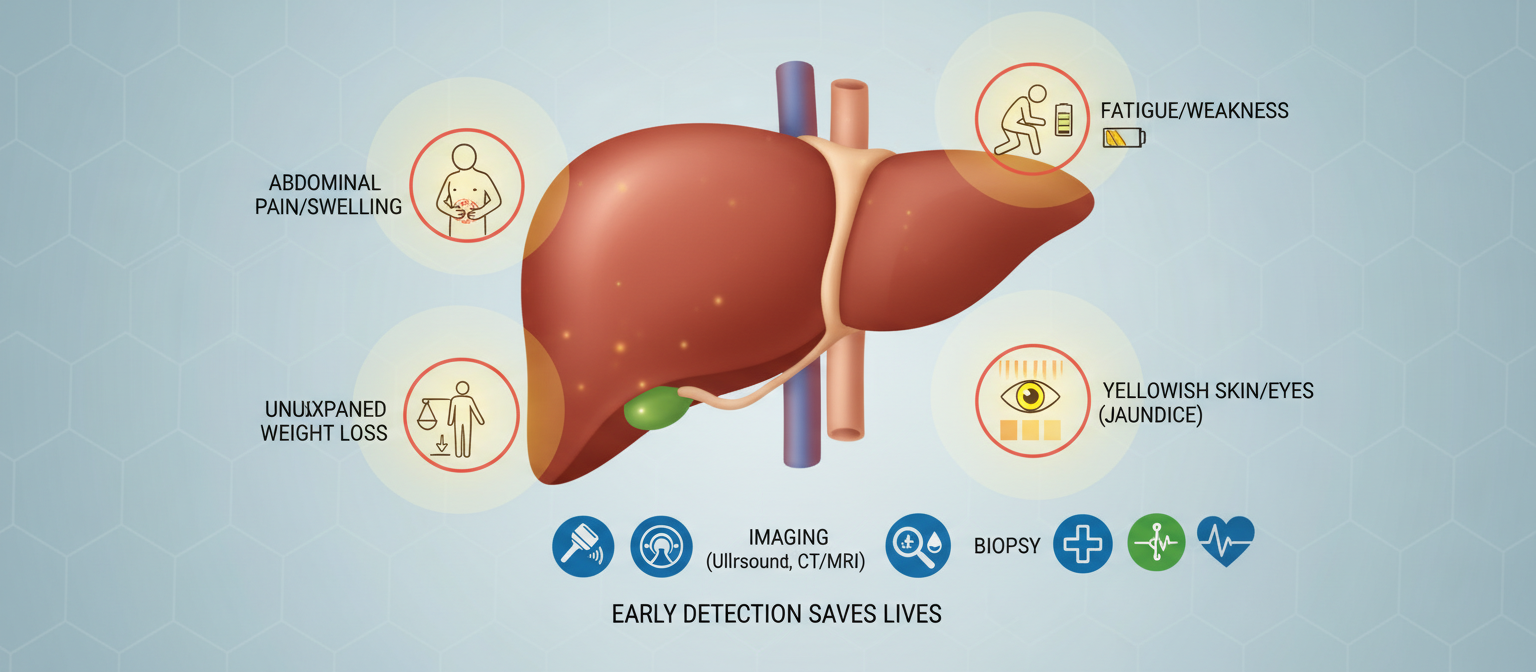
To ensure you are informed, here is a detailed breakdown of the primary warning signs that require immediate medical consultation:
- Unexplained Weight Loss and Loss of Appetite: One of the most common early indicators is a sudden drop in weight without any change in diet or physical activity. This often occurs because the body’s metabolism is being disrupted by the presence of a tumor.
- Abdominal Swelling (Ascites): A buildup of fluid in the abdomen can lead to visible swelling or a feeling of "fullness" even after small meals. This distension is often firm to the touch and can be accompanied by discomfort.
- Upper Abdominal Pain: Many patients report a persistent dull ache or sharp pain in the upper right side of the abdomen, just below the ribs. This is often where the liver is enlarged or pressing against other organs.
- Jaundice (Yellowing of the Eyes and Skin): This is perhaps the most recognizable sign of liver distress. It occurs when the liver fails to process bilirubin, leading to a yellowish tint in the whites of the eyes and the skin.
- Changes in Stool and Urine: If you notice that your urine has become dark (tea-colored) or your stools have become pale, chalky, or clay-like, it suggests a blockage in the bile ducts or a significant decline in liver function.
- Persistent Nausea and Vomiting: While these symptoms can be linked to many minor ailments, chronic nausea that doesn't resolve itself can be a sign of advanced liver toxicity.
Why Early Detection Matters for Kiwis Over 45
For New Zealanders in the 45+ age bracket, the "wait and see" approach can be risky. The NZ health landscape shows a rising trend in non-alcoholic fatty liver disease (NAFLD), which can silently progress over decades. By the time a person reaches middle age, the cumulative effects of diet, environment, and genetics can manifest.
Kiwis over 45 are encouraged to incorporate liver function tests (LFTs) into their annual check-ups. In New Zealand, access to diagnostic tools like ultrasounds and specialized blood markers (such as AFP tests) has improved significantly, making early-stage detection much more achievable than in previous decades.
Expanding the Context: Risk Factors and Prevention
To understand why these warning signs appear, we must look at the underlying triggers. Liver cancer doesn't usually happen in isolation; it is often the result of long-term cellular damage.
- Chronic Viral Infection: Long-term infection with Hepatitis B or C is a major risk factor globally and within New Zealand.
- Cirrhosis: This scarring of the liver, often caused by alcohol use or fatty liver disease, creates a foundation where cancer cells are more likely to develop.
- Metabolic Syndrome: High blood pressure, obesity, and diabetes are closely linked to liver health. For the 45+ demographic, managing these conditions is a primary defense strategy.
Navigating the NZ Healthcare System
If you or a loved one are experiencing any of the warning signs of liver cancer, the first step is a consultation with a General Practitioner. In New Zealand, GPs serve as the gatekeepers to specialized oncology and hepatology care. Early referral can lead to more options, including localized treatments, surgery, or targeted therapies that are far more effective when the condition is caught in its infancy.
Conclusion: Taking Control of Your Health Journey
While the topic of liver cancer can be daunting, knowledge is the most powerful tool for prevention. By recognizing the warning signs of liver cancer and acknowledging how factors like being a Kiwi over 45 might influence your risk profile, you are taking a proactive step toward longevity.