
Why More Men Are Finally Giving Massage a Real Try
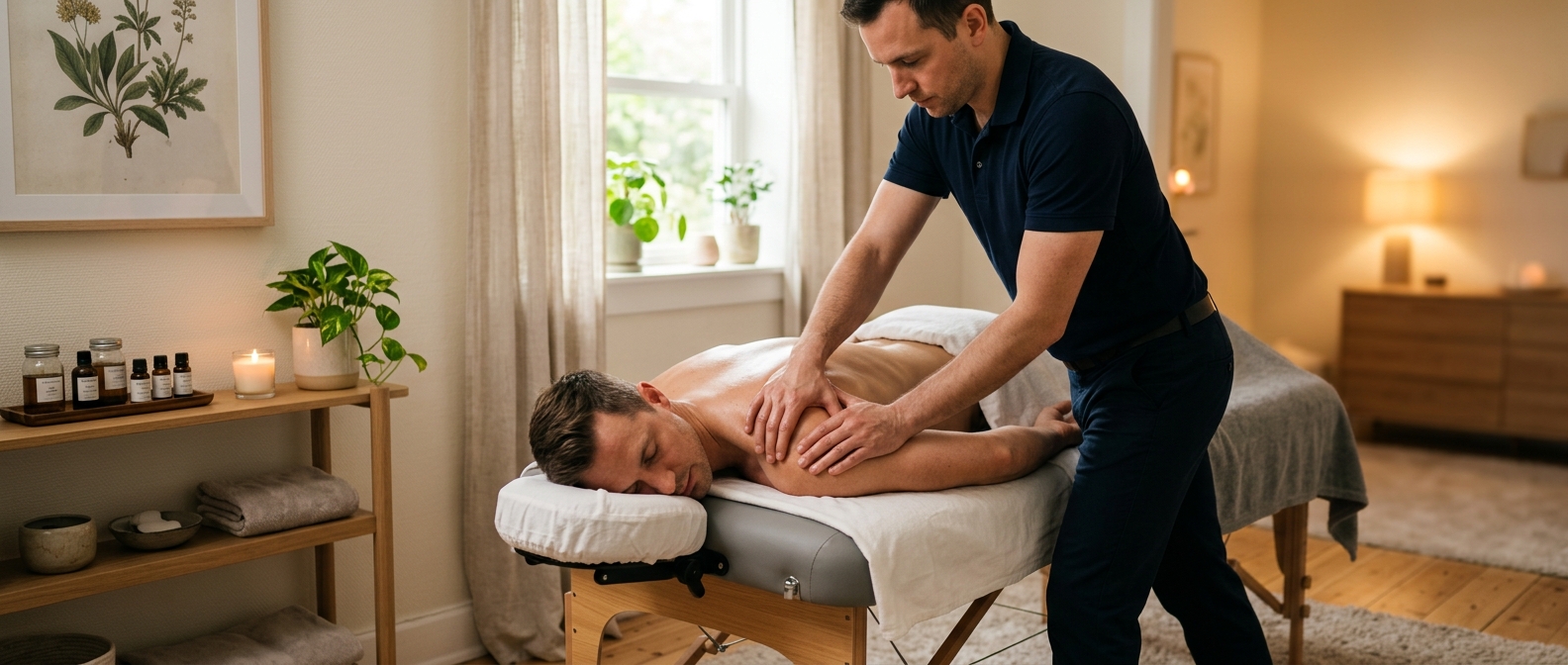
Sore shoulders after a week at the desk. A back that never quite loosens up. A mind that won't slow down, even on a Sunday. For a lot of men, this is just background noise - something to push through, not something to fix. But there's a quiet shift happening. More men are discovering that massage isn't a spa indulgence reserved for someone else's self-care routine. It's a legitimate tool for recovery, stress management, and staying functional in a body that works hard and rarely gets asked how it's doing.
Why So Many Men Skip This Entirely
For years, massage carried a certain stigma in men's circles. It was seen as unnecessary, overly indulgent, or simply "not for guys." That thinking is starting to fade, but slowly.
The truth is simpler than the stigma suggests. Muscles don't care about gender norms. Tension builds the same way in a construction worker's shoulders as it does in a yoga instructor's. Ignoring that tension doesn't make someone tougher - it just makes recovery slower and injuries more likely.
The Real Reasons Men Are Paying Attention Now
A few forces are driving this shift:
- More men are training harder, longer, and later into life, which means more wear on joints and connective tissue.
- Desk jobs and long commutes have replaced physical labor with a different kind of strain - static, repetitive, and quietly damaging.
- Mental health awareness has grown, and massage is increasingly recognized as a legitimate stress-reduction tool, not just a luxury.
Put together, these factors mean the case for regular massage isn't about pampering. It's about maintenance.
What Massage Actually Does for the Body
Massage therapy works on a few different levels at once. Physically, it increases blood flow to tight or overworked muscles, which helps flush out metabolic waste and deliver oxygen and nutrients faster than rest alone.
It also affects the nervous system directly. Deep, sustained pressure signals the body to shift out of a stress response and into a more relaxed state. This is part of why people often feel noticeably calmer - not just looser - after a session.
For men dealing with chronic tension in the neck, shoulders, or lower back, this combination of physical and nervous system relief is often more effective than stretching or rest alone.
Types of Massage Worth Knowing About
Not all massage is the same, and knowing the differences helps set realistic expectations:
- Swedish massage - lighter pressure, designed for relaxation and circulation.
- Deep tissue massage - targets deeper muscle layers, often used for chronic tension or old injuries.
- Sports massage - geared toward athletes, focusing on performance and recovery.
- Trigger point therapy - isolates specific tight spots that refer pain elsewhere in the body.
Each style solves a different problem. Someone recovering from a marathon needs something very different from someone just trying to unwind after a stressful quarter at work.
Why "Just Powering Through" Doesn't Work Long-Term
A lot of men treat pain and tightness as background static - something to tune out rather than address. The problem is that unresolved tension tends to compound. Tight hip flexors from sitting all day can quietly shift posture, which then puts more strain on the lower back. A tense neck can contribute to tension headaches that get written off as "just stress."
Massage interrupts that cycle. It's not a cure-all, but it's a proven way to reset overworked muscle groups before small issues become chronic ones.
What First-Timers Usually Get Wrong
Men new to massage often make a few predictable mistakes:
- Assuming more pressure always equals a better result - it doesn't, and too much intensity can cause bruising or additional soreness.
- Not communicating about problem areas, assuming the therapist will just "know."
- Booking a single session and expecting long-term relief from chronic pain.
Massage works best as part of a routine, not a one-time fix. Even a monthly session can make a measurable difference in mobility and stress levels over time.
The Search Intent Pivot
General knowledge only goes so far, though. The right type of massage - and the right therapist - often depends heavily on where you live, what your body actually needs, and what your budget allows. A deep tissue specialist in one city might have a completely different approach than one in another, and pricing can vary significantly based on location and experience level.
If you're dealing with specific issues like chronic back pain, sports recovery, or stress-related tension, it's worth looking into massage therapists near you who specialize in those exact concerns, along with typical pricing and session lengths in your area. Local reviews and specialties can make a real difference in outcomes.
Moving Forward
Massage for men isn't about fitting into a stereotype or breaking one. It's about recognizing that a well-maintained body performs better, recovers faster, and holds up longer under stress. Whether the goal is athletic recovery, stress relief, or simply feeling less stiff at the end of the day, there's a style and approach suited to it. Learning more about the options available - and what fits your specific needs - is a reasonable next step for anyone curious about giving their body the attention it's been asking for.