
Massages: Relaxation and Wellness Benefits
Massages: Relaxation and Wellness Benefits
Your shoulders are tight. Your neck aches by 3 p.m. every single day. You tell yourself it's just stress, just work, just life. But what if that constant tension isn't something you have to live with? Across the country, more people are discovering that regular massage isn't a luxury reserved for spa days. It's becoming a practical tool for managing pain, stress, and sleep problems. The question is no longer whether massage helps. It's which type actually fits your body and your budget.
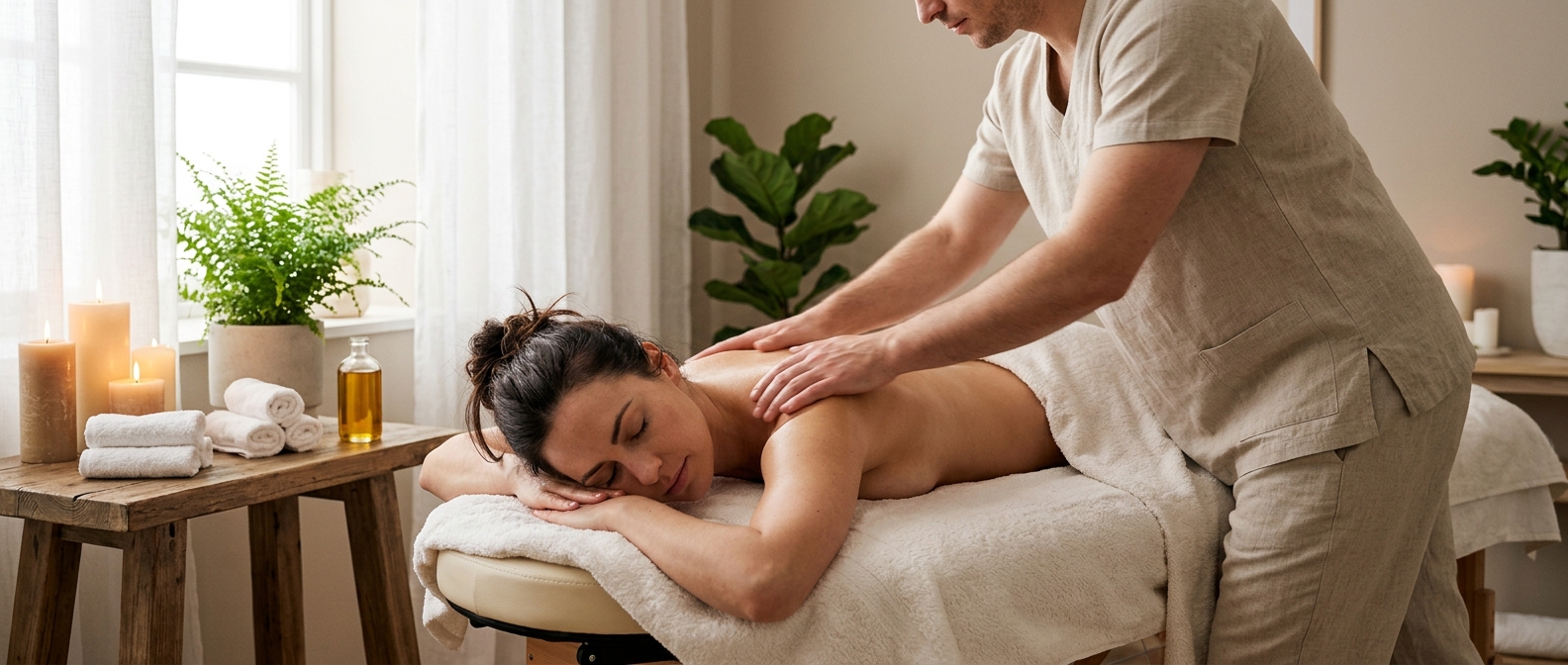
Why "Just Relax" Isn't Enough Advice
Most people carry tension for years before addressing it. Sitting at a desk, staring at a phone, or standing on your feet all day quietly reshapes your posture. Over time, muscles stay contracted even when you're trying to rest.
Telling someone to "just relax" ignores the physical reality. Chronic tension lives in the tissue, not just the mind. That's why stretching alone or a hot shower often isn't enough to release it.
Massage works differently. It applies direct pressure and movement to the muscles, encouraging blood flow and helping the nervous system shift out of constant alert mode.
What Actually Happens During a Massage
A massage therapist uses hands, forearms, or tools to manipulate soft tissue. This isn't just about feeling good in the moment. The pressure and movement can:
- Increase circulation to tired or injured muscles
- Reduce the buildup of tension in connective tissue
- Encourage the body to lower stress hormone activity
- Support better range of motion in stiff joints
Different techniques target different needs. Swedish massage focuses on gentle, flowing strokes for relaxation. Deep tissue massage works into deeper muscle layers for chronic pain. Sports massage targets areas stressed by repetitive movement or training.
The Sleep Connection Nobody Talks About
Poor sleep and physical tension often feed each other. When your body is tight, it's harder to find a comfortable position. When you're not sleeping well, muscles don't get the chance to fully recover.
Some people who add regular massage into their routine report falling asleep faster and waking up less during the night. The theory is straightforward: lower physical tension makes it easier for the nervous system to downshift at bedtime.
This doesn't replace medical treatment for serious sleep disorders. But for everyday restlessness tied to stress and tight muscles, it's a piece worth considering.
It's Not Just Physical
Mental and emotional stress show up in the body. Clenched jaws, hunched shoulders, and shallow breathing are common physical signs of anxiety.
Massage sessions often create a rare block of time where a person isn't multitasking, scrolling, or problem-solving. That pause alone can lower stress levels. Combined with the physical release of tension, many people leave a session feeling mentally lighter, not just physically looser.
Common Mistakes People Make
Not every massage experience delivers results. A few common mistakes get in the way:
- Waiting until pain is severe before booking a session
- Choosing a random provider without checking technique or specialty
- Treating it as a one-time fix instead of an ongoing practice
- Not communicating pressure preferences or problem areas to the therapist
Consistency tends to matter more than intensity. A single deep tissue session won't undo years of postural strain. Regular, moderate sessions often produce better long-term results than sporadic, aggressive ones.
Where Search Intent Comes In
Reading about the benefits is one thing. Finding the right option is another. Massage services vary widely by:
- Location and availability near you
- Price range, from budget chains to specialized clinics
- Type of massage offered, from relaxation-focused to medical or sports therapy
- Insurance coverage or membership-based pricing models
What works well in one city or neighborhood might not be available, or might cost significantly more, somewhere else. The best massage option really does depend on your specific location, budget, and physical needs. That's where searching for local, current options becomes the practical next step, rather than relying on generic advice alone.
A Simple Starting Point
If you're new to this, start by identifying your main goal. Are you dealing with chronic back pain? General stress? Poor sleep? Recovery from physical activity? Your answer shapes which type of massage and which provider makes the most sense.
From there, it's worth comparing nearby options, checking what techniques they specialize in, and understanding pricing structures before committing to a regular routine.
Final Thoughts
Massage isn't a cure-all, but it's a legitimate, research-supported tool for managing everyday tension, stress, and minor aches. The benefits are real, but they're also personal. What helps one person unwind may not be the right fit for another.
If this has you curious about what's available near you, it may be worth exploring current local options, pricing, and specialties to find an approach that actually matches your needs.