
Modern Backyard Apartments: The Space You Didn't Know You Had
Modern Backyard Apartments: The Space You Didn't Know You Had
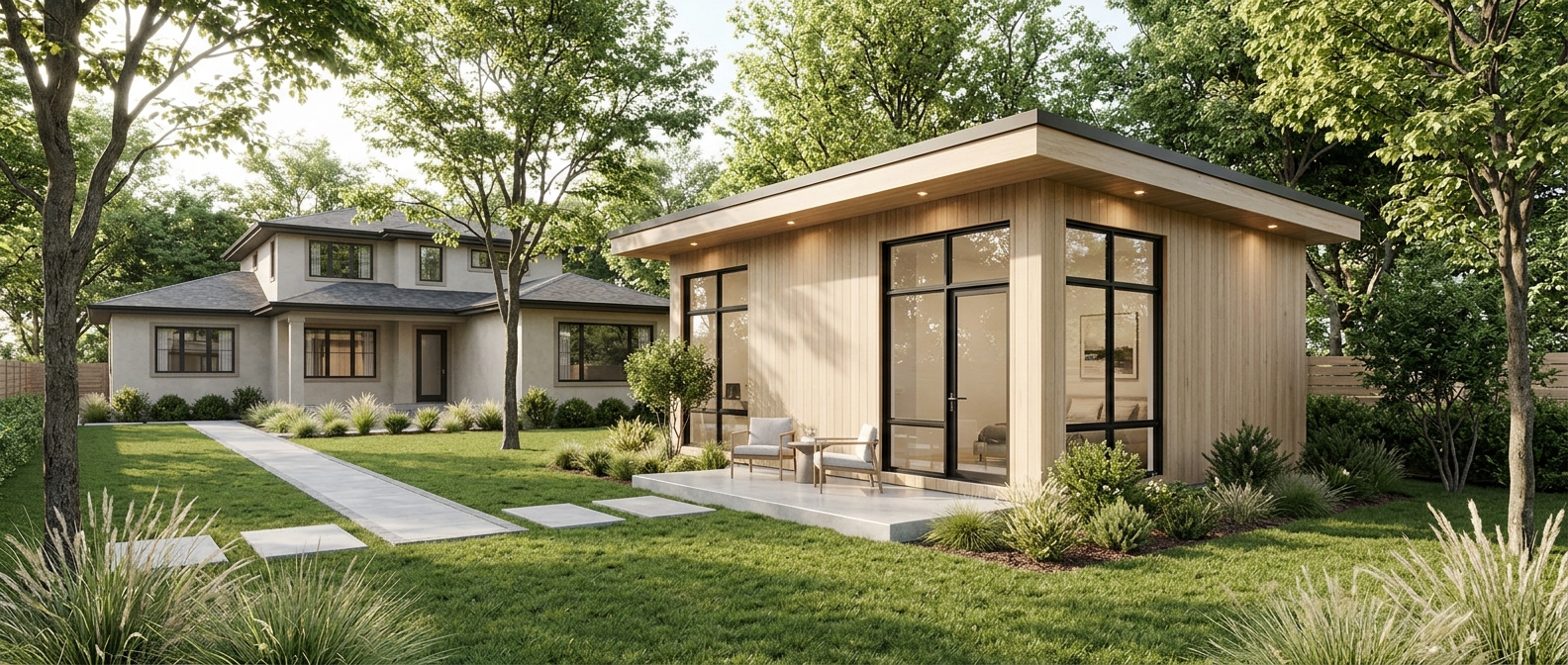
Your backyard might be the most underused part of your entire property. While you've been mowing around that empty corner for years, it could have quietly become a private apartment, a rental unit, or a home office. Across the country, homeowners are discovering that the space behind their house holds more potential than they ever imagined. This shift isn't just a trend. It's a practical response to rising housing costs, multigenerational living needs, and the search for extra income.
Why Backyards Became the Next Big Housing Solution
Traditional home additions are expensive, disruptive, and slow. Building onto an existing structure often means months of construction chaos inside your living space.
Backyard apartments, often called ADUs (Accessory Dwelling Units), flip that script. They're built separately, which means:
- Less disruption to your daily life during construction
- No need to relocate while work is underway
- A finished product that functions as a completely independent living space
This separation is exactly why so many homeowners are choosing this route over traditional remodels.
The Old Way of Thinking Doesn't Work Anymore
For decades, backyard structures meant sheds, storage units, or maybe a rundown workshop. That mindset is outdated. Modern designs now include:
- Full kitchens and bathrooms
- Energy-efficient insulation and windows
- Smart home technology
- Private entrances separate from the main house
These aren't glorified garden sheds. They're legitimate living spaces that can function as rental units, guest houses, or private retreats for adult children or aging parents.
Who Actually Uses These Spaces?
The appeal isn't limited to one type of homeowner. Adults across different life stages are finding backyard apartments solve very different problems:
- Empty nesters who want extra rental income without selling their home
- Multigenerational families looking to house aging parents nearby, but not under the same roof
- Remote workers who need a dedicated, distraction-free office space
- Property investors hoping to increase a home's value and rental potential
Each of these situations comes with different design needs, different budgets, and different local regulations.
What Makes These Builds "Modern"
The word modern isn't just marketing. It reflects a real shift in how these units are designed and constructed. Modern backyard apartments typically emphasize:
- Clean, minimalist exteriors that blend with the main home
- Open floor plans that maximize small square footage
- Sustainable materials and energy-efficient systems
- Prefabricated or modular construction methods that cut build time significantly
This modular approach has become especially popular because it reduces the guesswork. Many companies now offer pre-designed layouts that can be customized without starting from a blank slate.
The Cost Question Nobody Skips
Cost is always the first question, and it's a fair one. Backyard apartments can range widely depending on:
- Size and layout complexity
- Materials chosen
- Local labor rates
- Permitting and zoning requirements in your specific city or county
This is where things get tricky for a lot of homeowners. National averages don't tell you much because construction costs, permit fees, and even the types of ADUs allowed vary dramatically from one municipality to another.
Permits and Zoning: The Part People Underestimate
Before any foundation gets poured, local zoning laws determine what's even possible. Some cities have relaxed regulations to encourage ADU construction as a way to address housing shortages. Others still have strict limitations on size, setbacks, or utility connections. This means the research phase matters just as much as the design phase. What's allowed two towns over might not be allowed in your neighborhood at all.
The Search Intent Pivot
While these general insights are a helpful starting point, the truth is that backyard apartment costs, builder options, and permitted structures depend heavily on your specific city, lot size, and budget. A prefab unit that costs a certain amount in one region could cost significantly more or less elsewhere due to labor and material differences. If you're seriously considering this route, it's worth looking into local ADU builders, current permitting rules in your area, and financing options designed specifically for backyard apartment construction. These details change frequently and vary by location, so localized information will serve you far better than generic estimates.
Final Thoughts
Backyard apartments represent a genuine shift in how people think about home space, income potential, and family living arrangements. They're not a passing trend, they're a practical response to real housing pressures. Whether you're exploring this for rental income, family flexibility, or simply more usable space, there's more to learn about how these projects work in practice. Continuing your research into local builders, costs, and regulations is the natural next step for anyone seriously considering this option.