
The Most Legendary Nissan Skylines Ever Created
The Most Legendary Nissan Skylines Ever Created
Few names in automotive history evoke the same passion and reverence as the Nissan Skyline. For decades, this iconic Japanese sports car has captured the hearts of enthusiasts worldwide with its perfect blend of performance, innovation, and timeless design. From the streets of Tokyo to racetracks around the globe, certain Skyline models have transcended their status as mere vehicles to become cultural icons. Whether you're a die-hard JDM fan or simply appreciate automotive excellence, understanding which Skylines earned legendary status reveals a fascinating journey through motorsport history and engineering brilliance.
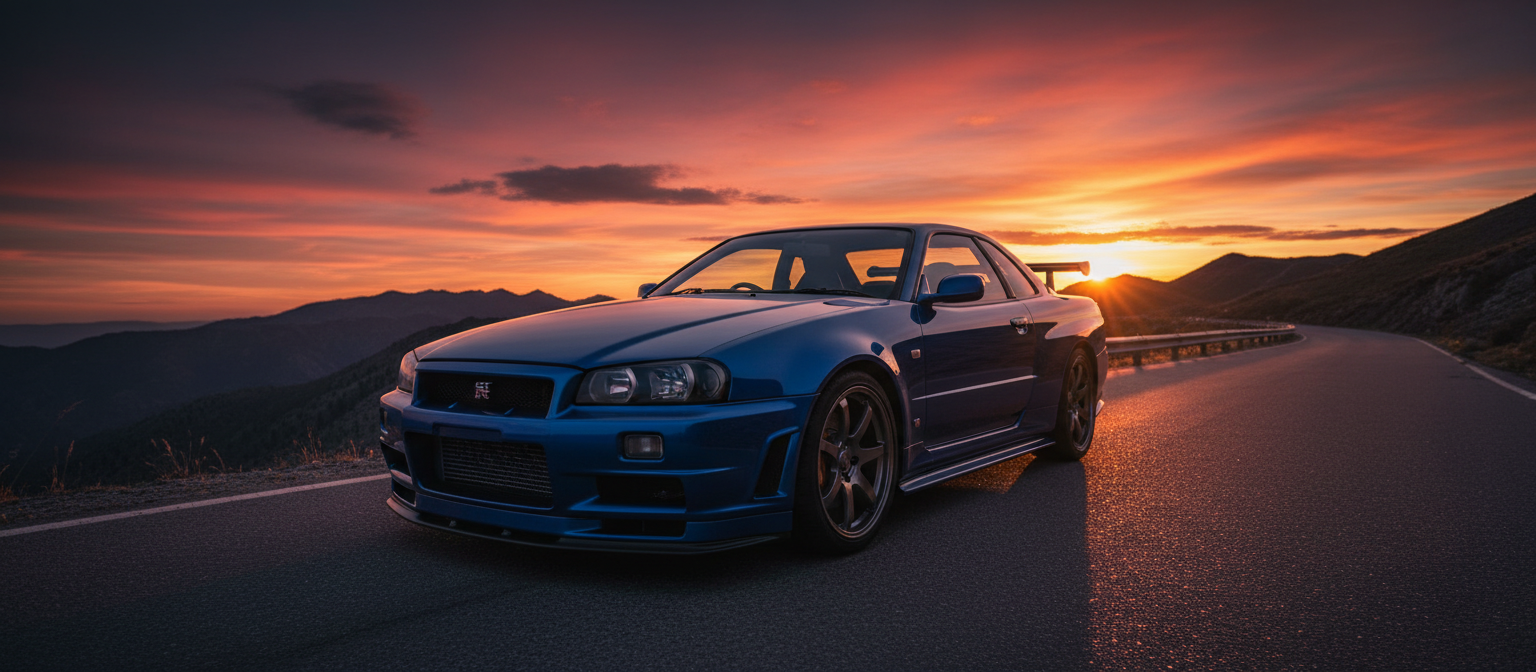
The R34 GT-R: The Ultimate Icon
When most people picture a Skyline, the R34 GT-R immediately comes to mind. Produced from 1999 to 2002, this model represents the pinnacle of the Skyline GT-R lineage before Nissan rebranded it as simply the GT-R. The R34's RB26DETT twin-turbo inline-six engine delivered 276 horsepower from the factory, though this figure was widely known to be conservative due to Japanese regulations. What truly set the R34 apart was its advanced ATTESA E-TS Pro all-wheel-drive system and active rear limited-slip differential, technology that was years ahead of its time.
The R34 gained worldwide fame through its appearance in the Fast and Furious franchise, particularly driven by the late Paul Walker's character. But its legendary status was earned long before Hollywood came calling, with dominant victories in motorsport and tuning potential that allowed enthusiasts to extract over 1,000 horsepower from the robust RB26 engine. Today, R34 GT-Rs command astronomical prices in the collector market, with pristine examples fetching well over $200,000.
The R32 GT-R: Godzilla's Birth
Before the R34 became a poster car, the R32 GT-R earned the nickname "Godzilla" through sheer dominance. Launched in 1989, this was the first GT-R model in 16 years, and it revolutionized performance car engineering. The R32 introduced the world to Nissan's advanced all-wheel-drive system and the legendary RB26DETT engine that would power GT-Rs for the next 13 years.
What earned the R32 its fearsome reputation was its complete annihilation of the competition in Australian Touring Car Championship racing. Between 1990 and 1993, the R32 GT-R won 29 races and claimed the championship every single year. Australian racing journalists coined the "Godzilla" nickname after watching this Japanese monster devour the best that Ford and Holden could offer. The car's combination of sophisticated technology, relatively lightweight construction, and raw performance made it virtually unbeatable in the right hands.
The R33 GT-R: The Underrated Middle Child
Often overlooked between its famous siblings, the R33 GT-R (1995-1998) deserves recognition as one of the best Skylines ever made. While it was larger and heavier than the R32, the R33 refined the GT-R formula with improved aerodynamics, better handling balance, and enhanced versions of the ATTESA all-wheel-drive system. The R33 GT-R V-Spec introduced active limited-slip differentials and stronger Brembo brakes, components that would become standard on future models.
The R33 holds a special distinction as the first and only GT-R to receive official approval for sale in the UK market, making it more accessible to European enthusiasts. It also set a production car lap record at the Nürburgring in 1995, completing the circuit in under 8 minutes-an impressive feat that proved the R33 was more than just a transitional model. Performance tuners appreciate the R33 for its robust construction and slightly more affordable entry point compared to its siblings.
The Hakosuka GT-R: Where It All Began
Before the RB26 engine and advanced all-wheel-drive systems, there was the original: the Hakosuka. This nickname, combining "hako" (box) and "Skyline," refers to the boxy C10 and C110 generation Skylines produced from 1968 to 1972. The first-generation GT-R models featured the legendary S20 inline-six engine derived from Nissan's racing program, producing 160 horsepower in an era when that was genuinely impressive.
The Hakosuka GT-R dominated Japanese touring car racing, winning 50 consecutive races between 1969 and 1972. This unprecedented success established the GT-R badge as representing the ultimate in Japanese performance engineering. Today, Hakosuka GT-Rs are among the most valuable classic Japanese cars, with pristine examples selling for hundreds of thousands of dollars. Their classic long-nose, short-deck proportions and raw, analog driving experience make them beloved by collectors who appreciate automotive history.
The R34 GT-R V-Spec II Nür: The Final Evolution
As a special mention within the R34 lineup, the V-Spec II Nür edition deserves individual recognition. Released in 2002 as a limited run of just 1,000 units, this was the ultimate factory R34 and the final hurrah for the RB26 engine. Named after the Nürburgring circuit where Nissan tested their GT-Rs, the Nür featured enhanced turbochargers, an improved intercooler, reinforced transmission, and gold-painted BBS wheels.
The Nür represented everything Nissan learned from over a decade of GT-R production condensed into one spectacular package. It came equipped with a carbon fiber rear wing, specially tuned suspension, and exclusive color options. For collectors and enthusiasts, the V-Spec II Nür represents the absolute pinnacle of the Skyline GT-R legacy-the most refined, most powerful, and most desirable variant ever to leave the factory floor.
Why These Skylines Became Legends
Several factors elevated these particular Skyline models above mere high-performance cars into legendary status. First, their racing pedigree proved their capabilities weren't just marketing hype-these cars won championships and broke records. Second, their engineering sophistication introduced technologies that mainstream manufacturers wouldn't adopt for years. The ATTESA all-wheel-drive system, active differentials, and multi-function displays were groundbreaking innovations.
Third, and perhaps most importantly, these Skylines offered unprecedented tuning potential. The RB26 engine became legendary in the aftermarket world for its ability to handle massive power increases with proper modifications. Enthusiasts could transform a 276-horsepower street car into a 600, 800, or even 1,000+ horsepower monster while maintaining relative reliability. This accessibility to extreme performance created a passionate global community that keeps Skyline culture thriving decades after production ended.
The Lasting Impact
The greatest Nissan Skylines didn't just define an era-they influenced the entire automotive industry. They proved that Japanese manufacturers could compete with and surpass European sports car makers in performance and technology. They demonstrated that all-wheel-drive systems could enhance rather than diminish a sports car's character. And they showed that proper engineering could create cars that became more desirable and valuable with age rather than simply depreciating.
Today, as values continue climbing and examples become harder to find, these legendary Skylines represent more than just collectible cars. They embody a golden age of Japanese automotive engineering when manufacturers pushed boundaries without compromise. For anyone passionate about automotive history, experiencing or owning one of these legendary Skylines remains a dream worth pursuing-a connection to the machines that earned the title of best Skylines ever created.