
Offshore Oil Platform Jobs: Your Complete Career Guide
Working on an offshore oil platform is one of the most unique career paths in the world. You live and work at sea for weeks at a time, earn significantly more than most land-based workers, and gain access to a truly global industry. But breaking in - and knowing what to expect - requires real preparation. This guide covers everything: the roles available, the qualifications you need, the salaries on offer, and how to position yourself as a strong candidate.
Why Offshore Work Stands Apart
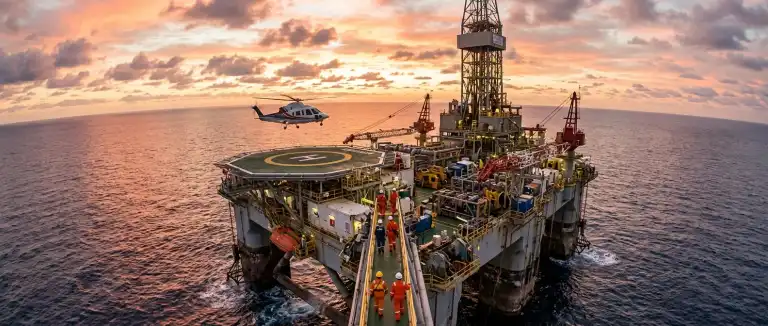
Offshore oil platforms are essentially self-contained floating cities. They house, feed, and employ hundreds of workers at a time - from engineers and drilling specialists to cooks and maintenance crews. Because of the demanding conditions and remote locations, offshore workers typically earn 15% to 30% more than their onshore counterparts in similar roles.
Perhaps most importantly, this is one of the few industries where you can reach a six-figure income without a university degree. Skilled trades and entry-level roles are a genuine path to long-term, well-paid employment.
 The Rotation Model: Work Hard, Then Go Home
Most offshore positions follow a rotation schedule. The most common arrangements are:
- 2 weeks on / 2 weeks off
- 4 weeks on / 4 weeks off
- 28 days on / 28 days off
While you are on the platform, all living costs - food, accommodation, and transport to and from the rig - are covered by the employer. This makes it easier to save a substantial portion of your income during active rotations.
Entry-Level Roles: No Experience Needed
If you are new to the industry, several positions require no prior offshore experience. These roles are the standard entry point for most workers:
- Roustabout / Green Hat: General labour duties including cleaning, moving supplies, and assisting skilled workers. The most common starting role.
- Roughneck / Floorhand: Works directly on the drill floor, assembling pipes and operating drilling floor equipment.
- Galley Hand / Steward: Responsible for food preparation, cleaning living quarters, and laundry services.
Annual salaries for entry-level roles typically range from $40,000 to $80,000, depending on the role, employer, and region of operation.
Skilled Trades and Technical Positions
With a trade qualification or technical background, offshore work becomes even more financially rewarding. In-demand skilled roles include:
- Offshore Welder or Electrician: Maintains and repairs critical rig infrastructure.
- Drill Operator / Derrickman: Operates the machinery that extracts oil and gas from the seabed.
- QA/QC Inspector: Monitors production levels, inspects pipelines, and ensures equipment compliance.
- Well Tester / Gas Plant Operator: Manages and analyzes production flow data.
Salaries in this category commonly range from $54,000 to $102,000 annually, with significant room for growth as experience increases.
Engineering and Management: The Highest-Paying Roles
For those with engineering degrees or extensive operational experience, the top-tier roles on an offshore platform offer exceptional earning potential:
- Subsea / Process Engineer: $75,000 - $188,000 per year
- Offshore Installation Manager (OIM): $174,000 - $247,000 per year
- Drilling Consultant / Supervisor: $143,000 - $305,000+ per year
These positions typically require a Bachelor's degree in mechanical, petroleum, or structural engineering, combined with years of hands-on offshore experience.
Mandatory Certifications and Requirements
Before setting foot on a helicopter headed to a rig, there are non-negotiable certifications and medical requirements every offshore worker must meet:
- BOSIET (Basic Offshore Safety Induction and Emergency Training): Covers sea survival, helicopter underwater escape training (HUET), firefighting, and emergency first aid. Globally recognised and mandatory for nearly all offshore roles.
- Offshore Medical Certificate: A rigorous physical examination confirming you are fit to work in extreme marine conditions.
- OPITO MIST (Minimum Industry Safety Training): A foundational safety training course accepted across many offshore regions.
- TWIC Card (for U.S. offshore operations): A federal credential requiring a background check and security clearance.
Some employers cover the cost of these certifications as part of onboarding. If you are self-funding, budget approximately $1,400 to $2,600 in total for the required training.
Physical and Personal Fitness
Offshore work is physically and mentally demanding. Shifts typically run 12 hours, the environment can be noisy, isolated, and exposed to harsh weather - and emergency situations require quick, calm action. You will generally need to demonstrate:
- The ability to lift heavy equipment and work at height
- Comfort in confined or enclosed spaces
- Strong resilience and adaptability for extended periods away from home
- Good communication and teamwork skills
How to Get Your First Offshore Job
The most practical first steps for a new applicant are:
- Complete your BOSIET certification and obtain your offshore medical certificate.
- Build a CV that highlights physical fitness, any mechanical or technical background, and safety awareness.
- Apply for entry-level positions (Roustabout, Utility Hand, or Galley Hand) through major drilling contractors or offshore staffing agencies.
- Consider registering with specialist offshore recruitment agencies that operate in the North Sea, Gulf of Mexico, or West African markets.
Many workers progress from entry-level roles to senior positions within five to ten years - purely through on-the-job experience and additional training.
Finding the Right Role for Your Background
While this guide provides a broad overview, the best offshore opportunities vary significantly depending on your location, trade background, language skills, and target region. The North Sea - encompassing Norwegian, Danish, and German sector operations - has specific regulatory frameworks and employer networks that differ from Gulf of Mexico or Southeast Asian operations.
Exploring dedicated search terms related to your specific role, region, and certification level will help you find the most relevant openings, training providers, and contractor networks for your situation.
Final Thoughts
A career on an offshore oil platform is not for everyone - but for those who are suited to it, it offers a rare combination of high pay, genuine career progression, and a working lifestyle that is completely different from the conventional office or factory floor. Whether you are starting from scratch or looking to move from a land-based role into offshore work, the pathway is well-defined and accessible. Take the time to research the certifications required in your target region, connect with the right recruitment networks, and build your understanding of the specific roles that match your skills.