
Pay Per Mile Car Insurance: Stop Overpaying for Miles You Don't Drive
If your car spends more time parked than it does on the road, there's a good chance you're throwing money away every single month. Traditional car insurance charges you the same flat premium whether you drive 500 miles or 15,000 miles a year. For millions of Americans - remote workers, retirees, city dwellers, and second-car households - that system is simply unfair. Pay per mile car insurance is changing that, and in 2026, it's more accessible and more affordable than ever.
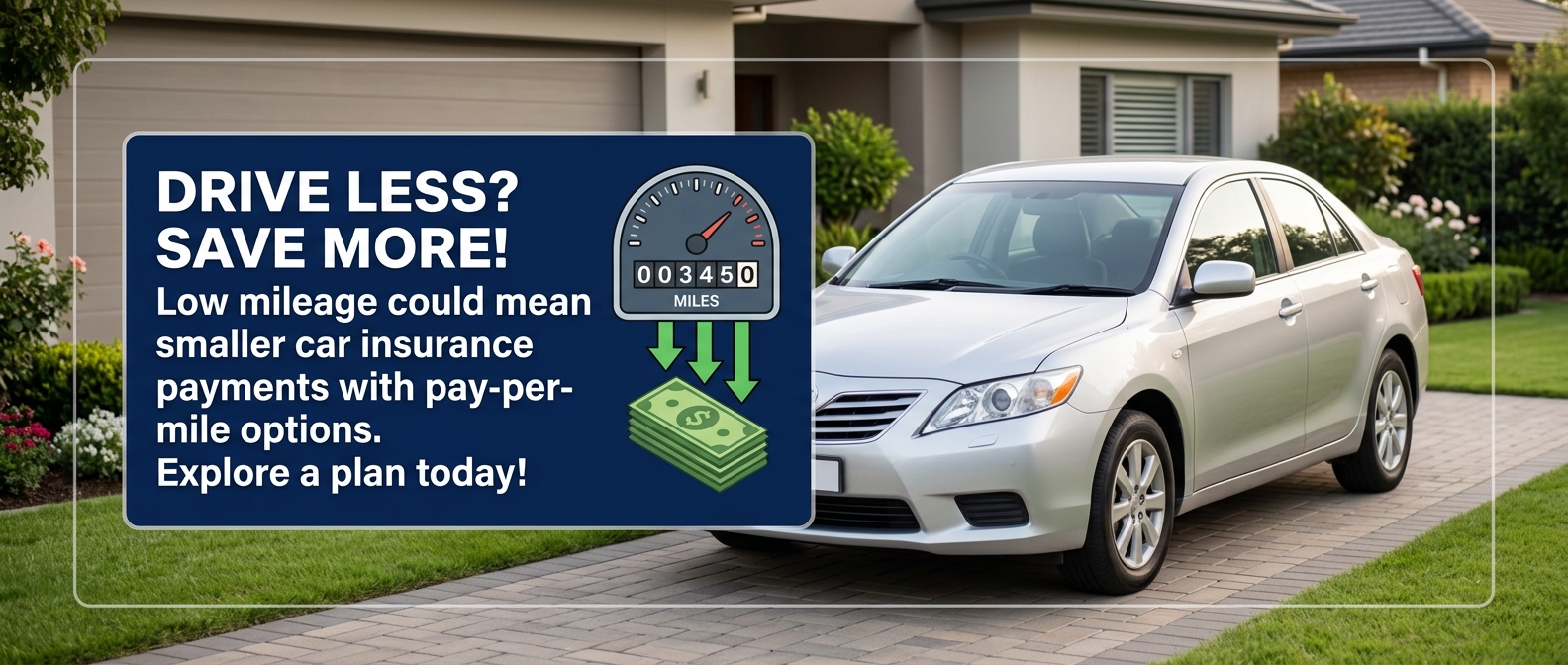
What Exactly Is Pay Per Mile Car Insurance?
Pay per mile insurance (also called usage-based or pay-as-you-go insurance) is a policy structure where your monthly premium has two components:
- A fixed base rate - typically between $30 and $60 per month, paid regardless of how much you drive.
- A variable per-mile rate - generally between $0.02 and $0.14 per mile driven.
So if your base rate is $40/month and your per-mile rate is $0.06, driving just 500 miles that month means a $70 bill - instead of a flat $130+ with a traditional policy. The math is simple: drive less, pay less.
Why Your Current Policy Is Likely Overcharging You
Standard auto insurance is built around the "average driver" - someone who drives roughly 13,500 miles per year. If you're not that person, you're subsidizing everyone else's coverage.
Think about who pays too much under the old system:
- Remote workers who rarely commute
- Retirees who only run local errands
- College students who use transit most of the week
- Households with a second car that sits idle
- City residents who walk or use rideshares daily
If you fall into any of these categories, a flat-rate policy is simply not designed for your lifestyle - and you're likely overpaying by hundreds of dollars every year.
How Much Can You Actually Save?
Low-mileage drivers who switch to pay per mile insurance can save between 20% and 40% compared to a traditional auto insurance policy, according to data compiled from major US carriers in 2026.
For context: if you're currently paying $150/month for standard coverage and you drive under 8,000 miles annually, switching could realistically save you $360 to $720 per year - just by paying for what you actually use.
The Biggest Names Offering Pay Per Mile Insurance in the US
Not every insurer offers this model, and availability varies by state. But in 2026, several major carriers have stepped up with solid options:
- Nationwide SmartMiles - Available in 40 states, includes a 250-mile daily cap (miles over 250 in one day are free) and up to 10% safe-driving discounts.
- Allstate Milewise - Offers a daily base rate plus per-mile fee with mileage caps of 150-250 miles depending on your state. Great for multi-vehicle households.
- Metromile / Lemonade - App-driven, AI-powered experience ideal for digital-first consumers. Available in 8 states.
- Mile Auto - Best for privacy-conscious drivers. Tracks miles only - no monitoring of speed, braking, or driving behavior.
- Noblr by USAA - Exclusively for military members, veterans, and their families.
What About Road Trips? Will You Get Penalized?
This is one of the most common concerns - and most major carriers have already solved it. Almost all top pay-per-mile providers include a daily mileage cap. Once you exceed 150-250 miles in a single day (depending on your carrier), the extra miles are free.
So a weekend road trip won't suddenly blow up your monthly bill. You still get the flexibility of traditional insurance, with the savings of a usage-based model.
Is the Coverage the Same Quality?
Yes - completely. Pay per mile insurance offers the exact same protection levels as any standard policy. You can still get:
- Comprehensive and collision coverage
- Liability protection
- Uninsured motorist coverage
- Roadside assistance
The only difference is how your premium is calculated, not the quality or scope of your coverage. You're not giving up anything - you're just paying a fairer price.
How Does Mileage Tracking Work?
Depending on your carrier, mileage tracking happens in one of three ways:
- Plug-in OBD device - A small dongle plugs into your car's diagnostic port and transmits your mileage data automatically.
- Connected car technology - If your vehicle has built-in connectivity (most post-2018 models do), data is pulled directly.
- Monthly odometer photo - Some carriers (like Mile Auto) simply ask you to snap a photo of your odometer each month - no device required.
If privacy is a concern, look for providers that only track mileage, not driving behavior. Mile Auto, for example, explicitly does not monitor speed, acceleration, or braking.
Signs Pay Per Mile Insurance Is Right for You
You're a strong candidate if:
- You drive fewer than 10,000-12,000 miles per year
- You work from home or use public transit regularly
- You own a second or third vehicle that doesn't get used daily
- You're a retiree or student with limited driving needs
- You live in an urban area where driving is optional
If you commute long distances daily or regularly take cross-country drives, a traditional fixed-rate policy will likely still be the better deal. But for the millions of Americans who don't fit that mold, pay per mile is a smarter, fairer option.
Find the Best Pay Per Mile Car Insurance for Your Situation
While the information above gives you a strong foundation, the right pay per mile car insurance policy depends on your specific state, vehicle, driving history, and how many miles you actually log each month. Rates and provider availability vary widely across the US - what's the best deal in Texas may not be the best deal in California or Florida.
The smartest next step is to search for and compare the current options available in your area. Use the search tools below to find more pay per mile car insurance options, compare live quotes, and see which providers operate in your state - so you can stop overpaying and start saving today.