
Pet Adoption May Unite Caring Families With Companions
Every year, millions of dogs and cats wait in shelters for a second chance. Many families scroll past photos of these animals without realizing how simple it could be to change a life-both the pet's and their own. Pet adoption isn't just about bringing home a new companion. It's about building a bond that strengthens families, teaches children compassion, and helps entire communities thrive.
Why Shelters Are Struggling More Than Ever
Across the country, animal shelters are stretched thin. Intake numbers often outpace adoptions, leaving many facilities overcrowded.
Behind every statistic is a real animal waiting for a home. Some have been surrendered due to financial hardship. Others were found as strays. Many are healthy, friendly, and simply need someone to notice them.
When shelters overflow, it becomes harder for staff to give each animal the attention it deserves. This is where everyday families can make a measurable difference.
The Emotional Benefits of Bringing a Pet Home
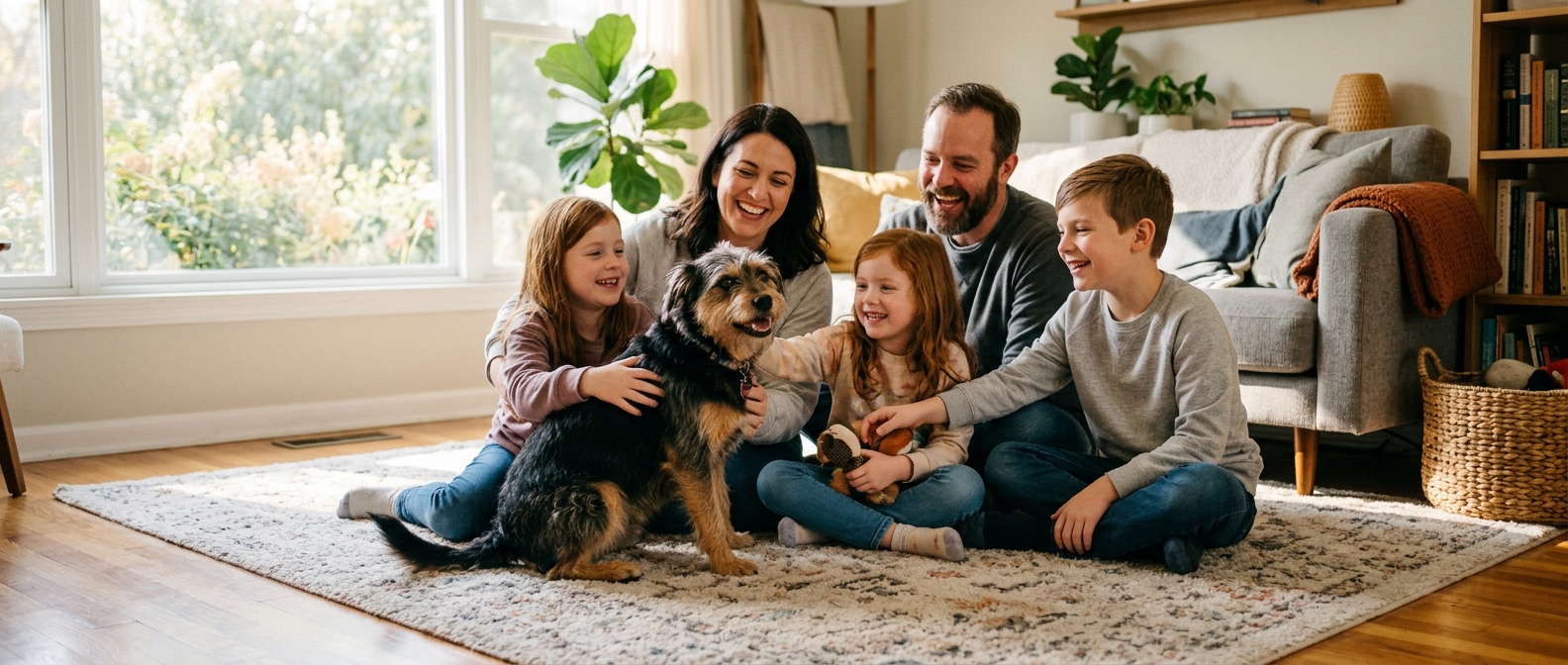
Adopting a pet does more than fill an empty space on the couch. Families who open their homes to a shelter animal often report:
- Reduced stress and anxiety levels
- Increased physical activity, especially with dogs
- Stronger daily routines and structure
- A greater sense of purpose and responsibility
Children raised with pets frequently develop empathy earlier. They learn to read body language, practice patience, and understand the needs of another living being.
Why Older Adoption Methods Often Fall Short
Many people still believe that adopting means walking into the first shelter they find and picking whichever animal looks friendliest. While well-intentioned, this approach can lead to mismatches.
A high-energy dog may not suit a quiet apartment household. A senior cat may need a calmer environment than a home full of toddlers. Without guidance, families sometimes end up overwhelmed, and in unfortunate cases, animals are returned to shelters.
Successful adoption requires more than good intentions. It requires understanding temperament, lifestyle compatibility, and the ongoing care each animal needs.
How Thoughtful Matching Changes Outcomes
Modern shelters and rescue groups increasingly use structured interviews, behavioral assessments, and trial visits to match pets with the right families.
This shift matters. When a family and an animal are well-matched from the start, the adoption is far more likely to last a lifetime. It also frees up shelter resources to help the next animal in need.
Some organizations now offer post-adoption support, including training resources and check-ins during the first few weeks. This extra layer of guidance helps new pet owners navigate early challenges with confidence.
The Ripple Effect on Communities
When one family adopts, the impact extends beyond their own household.
- Shelter space opens up for another animal in need
- Local shelters can redirect funds toward medical care and outreach
- Communities see reduced stray populations over time
- Neighbors often follow suit after witnessing a positive adoption story
Pet adoption can become a quiet but powerful form of community support, one household at a time.
What to Consider Before Adopting
Before choosing a pet, it helps to reflect on a few key factors:
- Available time for exercise, training, and companionship
- Housing situation, including space and landlord restrictions
- Long-term financial commitment for food, grooming, and veterinary care
- Experience level with specific breeds or animal types
Taking time to answer these questions honestly can prevent future stress for both the family and the animal.
The Search Intent Pivot: Finding the Right Fit Near You
While these general principles apply broadly, the best adoption path depends heavily on your specific location, local shelter inventory, and the type of pet that matches your lifestyle.
Adoption fees, available breeds, waitlists, and even shelter reputations vary widely from city to city. Some areas have rescue groups specializing in senior pets or specific breeds, while others focus on urgent foster-to-adopt programs.
Because availability changes constantly, families are often encouraged to look into local shelters and adoption listings near them to see which animals are currently waiting and what requirements apply in their area.
Moving Forward With Confidence
Pet adoption offers a meaningful way to strengthen family bonds while easing pressure on overcrowded shelters. With thoughtful preparation and the right match, both pets and people benefit for years to come.
For those curious about next steps, exploring current local adoption options can offer a clearer picture of what's available and what to expect.