
Pharmacy Creams for Over 60s: What Really Works on Mature Skin
Pharmacy Creams for Over 60s: What Really Works on Mature Skin
Scroll through any beauty aisle and you'll see hundreds of jars promising to "turn back time." But somewhere around your sixties, you probably noticed something: the creams that worked in your forties just don't cut it anymore. Skin changes. So should your skincare. That's why more people over 60 are skipping the supermarket shelf entirely and heading straight to the pharmacy counter instead.
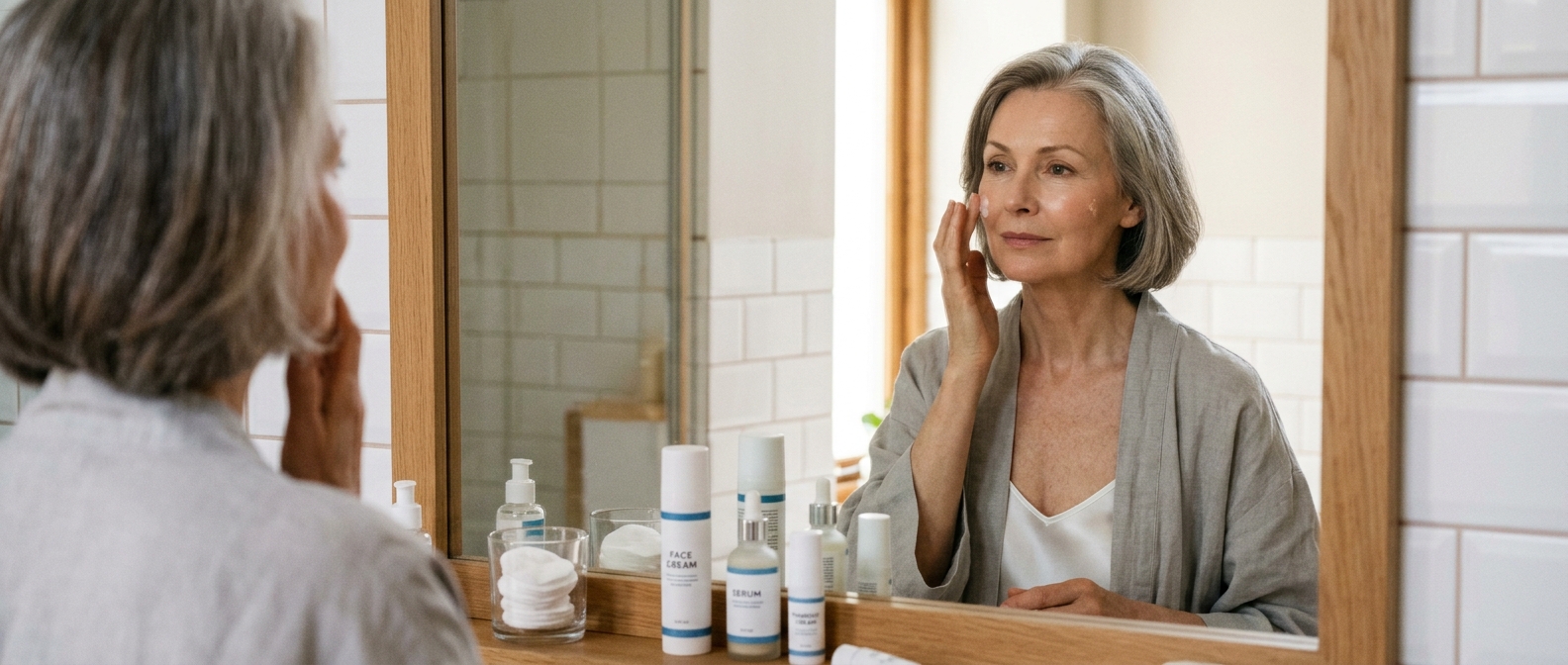
Why Skin Changes So Much After 60
After 60, skin loses a significant amount of collagen and elastin, the proteins that keep it firm and bouncy. Oil production slows down too, which means dryness becomes a daily struggle rather than an occasional annoyance.
On top of that, decades of sun exposure finally show up as dark spots, uneven texture, and thinner skin that bruises more easily. It's not just cosmetic. Mature skin also takes longer to heal and is more sensitive to fragrances and harsh chemicals.
This is exactly why generic, one-size-fits-all moisturizers often fall short. They're formulated for average skin, not skin that has gone through decades of change.
Why Regular Drugstore Creams Often Fail
Most mass-market moisturizers focus on surface hydration. They make skin feel soft for a few hours, but they don't address what's happening underneath.
Mature skin needs more than water. It needs ingredients that:
- Stimulate collagen production
- Repair the skin barrier
- Reduce inflammation without irritating sensitive skin
- Provide antioxidant protection against further damage
Pharmacy-grade creams are typically formulated with higher concentrations of active ingredients and go through more rigorous testing. That's a big part of why dermatologists tend to recommend them over standard supermarket options for people dealing with visible signs of aging.
What to Look For in a Pharmacy Cream
Not all pharmacy creams are created equal, either. Here are the ingredients that tend to make the biggest difference for skin over 60:
- Retinoids: A gentler, pharmacy-strength version of retinol that boosts cell turnover and collagen.
- Hyaluronic acid: Helps skin retain moisture at a deeper level than typical lotions.
- Peptides: Signal skin to produce more collagen over time.
- Niacinamide: Calms inflammation and helps even out skin tone.
- Ceramides: Restore the skin's natural barrier, which weakens with age.
Many pharmacists can also recommend formulations based on specific concerns, whether that's rosacea, extreme dryness, or age spots.
A Simple Routine Makes a Real Difference
You don't need a ten-step routine to see results. Dermatologists often suggest keeping it simple but consistent:
- Cleanse with a gentle, fragrance-free formula.
- Apply a treatment serum with active ingredients like peptides or niacinamide.
- Follow with a rich moisturizer suited for mature skin.
- Never skip sunscreen, even on cloudy days.
Consistency tends to matter more than complexity. Many people over 60 report visible improvements in texture and hydration within just a few weeks of switching to a proper pharmacy-recommended routine.
Price Doesn't Always Mean Better
It's a common misconception that expensive means effective. In reality, some of the most recommended pharmacy creams for mature skin are surprisingly affordable, while some luxury brands rely more on packaging than proven ingredients.
What actually matters is the concentration of active ingredients and how well a formula matches your specific skin type and concerns, whether that's extreme dryness, sensitivity, or visible aging.
Why Your Specific Situation Matters
Here's the thing: skin over 60 isn't a single category. Someone with rosacea-prone skin needs a very different formula than someone dealing mainly with deep wrinkles or sun damage. Budget matters too. Pharmacy creams range widely in price, and the "best" one for your neighbor might not be the best one for you.
The right pharmacy cream depends on your skin type, your specific concerns, and often your location, since availability and pharmacist recommendations can vary. If you're trying to figure out which pharmacy creams are actually worth it, and which ones dermatologists recommend most often for skin like yours, it's worth digging into more specific, updated options rather than relying on generic advice alone.
Where to Go From Here
Mature skin deserves a routine built around real evidence, not marketing hype. Pharmacy creams tend to offer more targeted, effective formulas than typical drugstore products, but the right choice still comes down to your individual skin and needs.
Taking a closer look at current, well-reviewed options can help you make a more informed decision the next time you're standing in front of that pharmacy shelf.